The latest figures from the City of Cape Town’s Human Settlements Department point to a steadily growing backlog, with hundreds of thousands of residents still waiting for access to formal housing opportunities. The scale of demand reflects both ongoing urban migration into the metro and long-standing structural constraints that continue to affect housing delivery across South Africa.
Mayoral Committee Member for Human Settlements Carl Pophaim said the City continues to prioritise delivery within the limits of available funding. “The City spends on average around 95% of the subsidy grants from the national government for subsidised housing and close to 100% on informal upgrades and extension of basic service provision grants,” he said, highlighting what he described as a high level of expenditure efficiency.
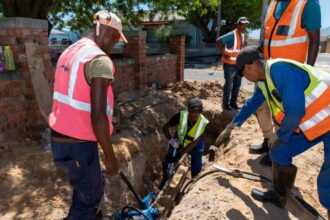
To address the backlog, the City has proposed a budget of nearly R2.8 billion for human settlements in the upcoming financial year. This funding is expected to support new housing developments, upgrades to informal settlements, and the extension of basic services to communities that remain underserved.
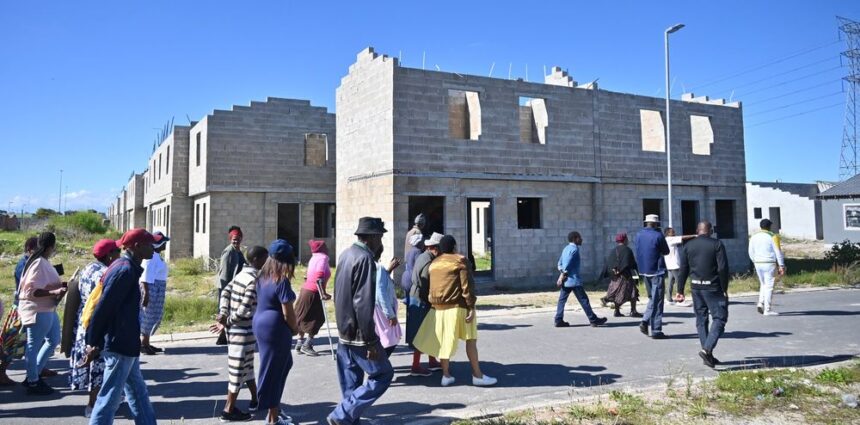
City officials point to delivery figures over the past five years as evidence of progress. More than 12,400 housing units have been completed in Cape Town during this period, a figure that exceeds that of other major metros. However, when measured against the scale of the waiting list, the impact remains limited, with demand continuing to outpace supply.
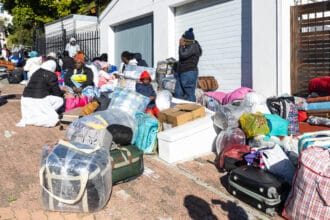
For many residents, the backlog translates into long-term uncertainty. Faldelah Damons, who has been on the housing waiting list since 2001, is currently facing eviction from a rental property in Ruyterwacht. “I’ve been on the waiting list since 2001,” she said. “COVID hit, I fell behind on rent, and now I am facing eviction.” Her situation reflects the reality faced by thousands of Capetonians who remain in precarious housing conditions despite being registered for assistance.
Housing advocacy organisation Ndifuna Ukwazi has warned that the crisis extends beyond the city. “This amendment process unfolds at a moment of a profound national housing crisis, with more than 3.7 million families on a housing waiting list,” the organisation said, adding that the number continues to grow each year. The group has called for greater public participation in housing policy decisions, particularly around proposed amendments to the Prevention of Illegal Eviction Act.
The debate over housing is further complicated by tensions between different levels of government, as well as competing priorities around land use, informal settlement management, and service delivery. While the City has indicated that it is reviewing public input on policy changes, the rising number of applicants on the housing register underscores the scale of the challenge.
As Cape Town continues to grow, the housing crisis remains one of the most pressing issues facing the metro, with long-term solutions likely to require sustained investment and coordination across national, provincial, and local government.
Source: IOL – Genevieve Serra.