From packed hotels and busy airport transfers to high-level investment meetings behind closed boardroom doors, Cape Town’s economy is feeling the immediate impact of one of Africa’s biggest tourism trade gatherings this week. As thousands of international delegates arrive in the Mother City for World Travel Market Africa 2026, the event is once again placing Cape Town at the centre of global travel, hospitality, and business investment conversations.
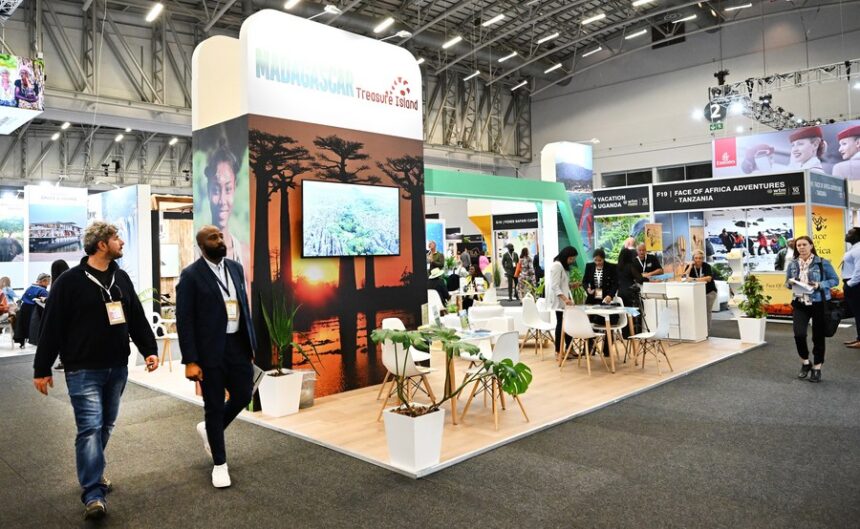
Inside the halls of the Cape Town International Convention Centre, tourism executives, airline representatives, destination marketers, technology companies, investors, and hospitality leaders from across the globe are spending the week building deals that could shape the future of African travel for years to come.
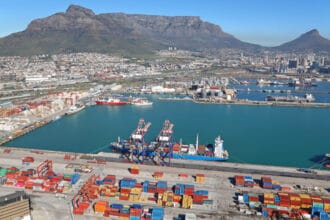
World Travel Market Africa has become one of the continent’s most influential annual tourism trade platforms, attracting decision-makers from Europe, North America, Asia, the Middle East, and across Africa. For many delegates, Cape Town serves not only as the host city, but as a case study in how tourism, infrastructure, and urban development can work together to drive economic growth.
While the exhibition floor provides the public face of the event, much of the real business happens behind the scenes. Private networking sessions, destination presentations, supplier negotiations, hotel investment talks, and digital travel technology showcases are unfolding throughout the week, creating opportunities that extend far beyond tourism alone.
For Cape Town’s hospitality sector, the economic benefits begin well before the opening ceremony. Hotels across the central business district, the V&A Waterfront, Green Point, Sea Point, and surrounding precincts traditionally experience a sharp rise in occupancy during major conference weeks. Restaurants, shuttle operators, event suppliers, production teams, freelance technicians, and conference support services all benefit from the influx of international visitors.
Business tourism remains one of the City’s most valuable economic drivers because conference delegates typically spend significantly more than leisure travellers. They often extend their visits, return for future business, explore local investment opportunities, or establish commercial partnerships with South African businesses.
Cape Town’s world-class convention infrastructure, stable fibre connectivity, established hospitality networks, and internationally recognised tourism offering continue to make the city one of Africa’s most attractive destinations for global events.
Industry analysts attending this year’s exhibition say the travel sector is entering a new phase of growth, with African destinations increasingly being positioned as high-value emerging markets. Cape Town, with its combination of scenic appeal and business readiness, continues to stand out as a preferred gateway.
As World Travel Market Africa 2026 continues throughout the week, the economic ripple effect is already being felt across the city, from hotel reception desks and restaurant kitchens to boardrooms where the next generation of travel investment may already be taking shape.
Source: Cape Town International Convention Centre – World Travel Market Africa – Official event listings.