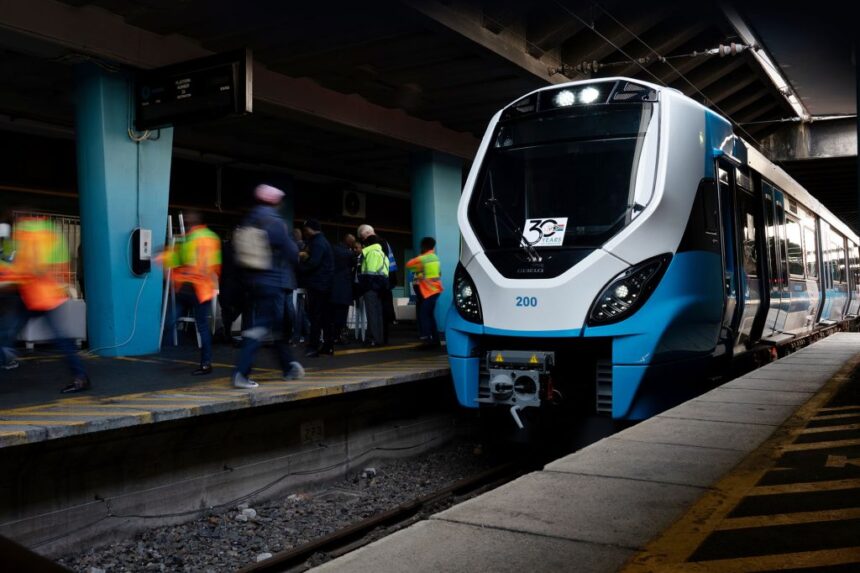
For decades, Cape Town’s commuter rail system has been both a lifeline and a source of daily frustration for thousands of residents trying to move between home, work, school, and the city’s economic centres. Missed trains, vandalised stations, cable theft, overcrowded platforms, and unreliable schedules have become part of everyday life for many commuters. Now, in what could become one of the most significant transport shifts in the metro’s modern history, Cape Town is moving closer to taking control of its own rail future.
The City of Cape Town is actively pushing ahead with plans to eventually take over the management of commuter rail services operating inside the metro, a move city leaders believe could transform public transport and finally deliver the reliability many residents have been demanding for years.
Mayor Geordin Hill-Lewis has repeatedly argued that local government is better positioned to manage, secure, maintain, and expand urban rail infrastructure than national structures operating from Pretoria.
The proposal forms part of Cape Town’s broader transport devolution strategy, an ambitious long-term plan aimed at bringing key transport functions under local control, including passenger rail integration with existing bus, road, and future mobility systems.
City officials say technical assessments, operational studies, and stakeholder consultations are already under way as the municipality prepares for what could be a phased transfer of rail responsibilities.
If approved, the move could directly affect thousands of commuters travelling daily through some of Cape Town’s busiest rail corridors, including Bellville, Khayelitsha, Mitchells Plain, Retreat, and several southern and northern line stations.
For years, these routes have faced major operational challenges.
Cable theft, vandalism, ageing rolling stock, station security concerns, and service cancellations have repeatedly undermined commuter confidence, forcing many residents to turn to private taxis, buses, or personal vehicles, increasing congestion across already overstretched road networks.
Cape Town officials believe local oversight could dramatically speed up maintenance response times, improve station security, strengthen infrastructure protection, and better align rail schedules with the city’s existing MyCiTi transport network.
Urban transport analysts say the economic impact could extend far beyond commuter convenience.
A more reliable rail system could improve worker productivity, reduce transport costs for lower-income households, support business mobility, and unlock investment opportunities around transport hubs across the metro.
The proposal is not without challenges.
Passenger rail remains a nationally controlled function under Passenger Rail Agency of South Africa, meaning any transfer of operational authority would require national cooperation, legislative alignment, regulatory oversight, and long-term funding commitments.
Still, momentum appears to be building.
For many Capetonians who have spent years standing on delayed platforms and navigating disrupted services, the possibility of Cape Town finally taking control of its own rail future may represent more than just a transport policy shift.
It may mark the beginning of a completely new chapter in how the city moves.
Source: Moneyweb – Staff Reporting.