Long before South Africa’s Tag Rugby players step onto the world stage in Australia, the real battle has already been playing out much closer to home. In school fields, community parks, weekend car washes, and neighbourhood fundraising drives across Cape Town, athletes have spent the past eighteen months fighting for something far bigger than a jersey, the chance to represent their country.
Cape Town’s influence on South African sport is once again being felt far beyond the city’s borders, this time through a remarkable group of athletes preparing to carry the nation’s hopes at the upcoming Tag Rugby World Cup in Australia.
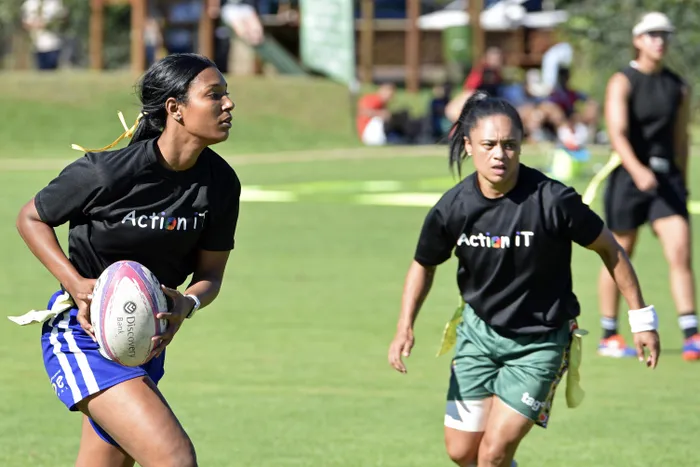
When South Africa’s men’s and women’s open squads take the field in Coffs Harbour from the fifteenth to the eighteenth of October, thirty-six of the thirty-eight selected players will come directly from Cape Town communities, an extraordinary statistic that speaks not only to the city’s sporting depth, but also to the rapid growth of a game still unfamiliar to many South Africans.
From Eerste River to Mitchells Plain, and from suburban school grounds to under-resourced community fields, local players have built a pipeline of talent that now forms the backbone of South Africa’s international ambitions.
But behind the national colours and world cup dreams lies a much tougher reality.
Unlike many mainstream sporting codes, Tag Rugby in South Africa receives no formal government funding for international competition.
That means every player selected for the national squad is responsible for raising approximately sixty thousand rand to cover flights, accommodation, tournament registration, equipment, insurance, and associated travel costs.
For the past eighteen months, fundraising has become just as important as fitness training.
Players have spent weekends selling boerewors rolls outside shopping centres, washing cars at community fundraisers, hosting raffles, collecting sponsorship pledges, and appealing to local businesses in an effort to keep the dream alive.
For women’s player and coach Natasha Hofmeester, the sacrifice has become part of the team’s identity.
She says the journey has taught players that success at this level demands more than talent, it demands resilience, discipline, and a willingness to keep pushing when resources are limited.
Men’s player Keanu Klink echoed that sentiment, saying the squad is now focused on putting in the extra work that could make the difference once the tournament begins.
South Africa first entered the Tag Rugby World Cup in twenty-fifteen, and since then the men’s programme has steadily built international credibility.
This year, the women’s open squad will also make its long-awaited debut, adding another major milestone for the sport locally.
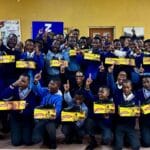
Beyond the world cup, the Tag Rugby Association continues investing in community development through its Adopt-a-School programme, introducing children to the sport while creating coaching, mentorship, and employment opportunities for young adults in under-resourced communities.
For Cape Town, the numbers tell a powerful story.
Thirty-six athletes.
One city.
And a world cup dream built not in boardrooms or elite academies, but in the streets, schools, and communities of the Mother City.
Source: Plainsman – Buntu Gotywa – Tag Rugby Association of South Africa statements.