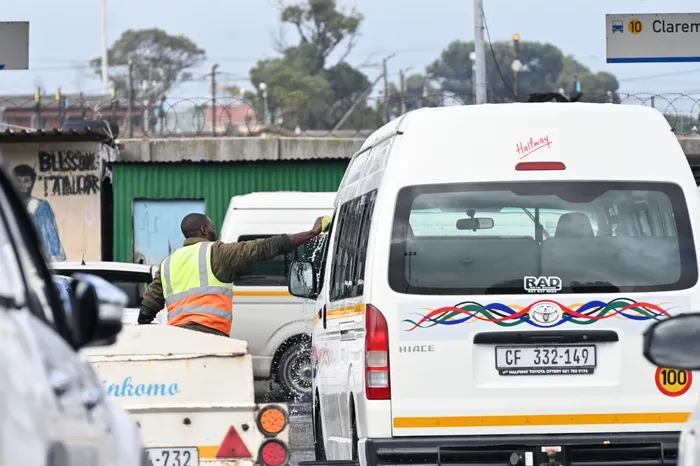
For the first time in nearly two decades, rival taxi leaders stood side by side, shook hands, and publicly spoke of peace. For many Cape Town commuters, it marked a moment few thought they would ever see. But behind the smiles, another message quickly emerged, the cost of getting to work may soon become even more expensive.
Cape Town’s public transport sector may be entering one of its most important turning points in years after leaders from the Cape Amalgamated Taxi Association, better known as CATA, and the Congress of Democratic Taxi Associations, known as CODETA, met this week in what many industry insiders are calling a historic peace breakthrough.
The meeting, held at the Nyanga taxi terminus, brought together senior leadership from both associations in an effort to end years of violent conflict that has claimed lives, destroyed vehicles, disrupted transport routes, and left thousands of daily commuters caught in the middle.
For communities across Cape Town, particularly in transport-dependent areas such as Nyanga, Khayelitsha, Gugulethu, Philippi, and Mitchells Plain, the rivalry between the two associations has for years represented far more than an industry dispute. It has directly affected school transport, worker mobility, business operations, and community safety.
Speaking after the meeting, CATA chairperson Nkululeko Sityebi described the gathering as one of the most significant engagements between the two organisations in recent memory.
According to Sityebi, years of bloodshed, mistrust, and operational instability had taken a severe toll not only on drivers and owners, but also on ordinary commuters who rely on taxis as their primary means of transport.
However, while the peace initiative was welcomed across much of the city, taxi leaders also delivered a message many commuters were hoping not to hear.
Fare increases are now almost certain.
CODETA chairperson Nceba Enge confirmed that rising fuel prices have placed unsustainable financial pressure on operators, leaving many drivers struggling to cover vehicle instalments, maintenance costs, fuel expenses, insurance, licensing, and daily operational obligations.
South Africa’s latest fuel price adjustments at the beginning of May have only added to that pressure, with both petrol and diesel prices climbing once again.
Association leaders say the cost increases can no longer be absorbed internally.
Instead, route-based fare adjustments are now being actively negotiated between the two bodies.
This means commuters travelling shorter routes, such as Nyanga to Cape Town’s city centre, may face different increases compared with longer journeys from Khayelitsha, Somerset West, or cross-district routes.
Although no official fare schedule has yet been released, both associations say commuters will be given advance notice before any changes take effect.
Industry observers say the renewed cooperation between CATA, CODETA, and law enforcement could bring long-term stability to one of the Western Cape’s most critical transport sectors.
For now, commuters have been given both good news and difficult news in the same week, peace may finally be taking root, but the cost of that stability may soon be felt at the taxi rank.
Source: IOL – Lilita Gcwabe – CATA and CODETA leadership briefing.