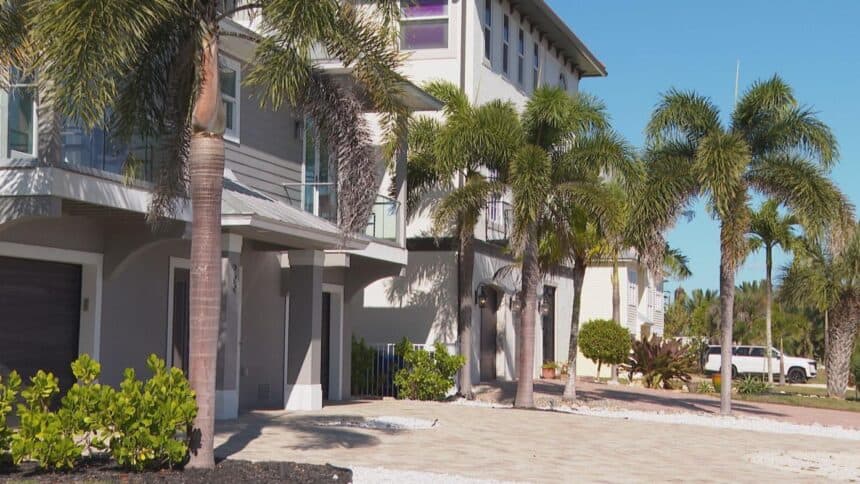
Cape Town’s fast-growing short-term rental market is facing a regulatory shift, as the City moves to tighten compliance and bring more properties into line with commercial rates classifications.
The City of Cape Town is preparing to introduce stricter controls over short-term rental activity, targeting what officials describe as gaps in compliance that have allowed some properties to operate commercially while still benefiting from residential rates.
Under existing policy, properties used for commercial short-term letting are already required to fall under business and commercial rates. However, enforcement has been inconsistent, particularly where properties are listed intermittently or across multiple platforms.
City officials say this has created an uneven playing field within the accommodation sector, where traditional hospitality businesses are subject to higher regulatory and cost structures, while some private operators remain under-classified.
To address this, the City has included additional measures in its draft 2026/27 rates policy, including the use of data from online letting platforms to identify properties actively marketed for short-term stays.
A central proposal is the introduction of a 50 percent availability threshold. If a residential property is listed for short-term letting for more than half the year, the municipal valuer may reclassify it as “business and commercial”, resulting in higher rates and compliance obligations.
According to the City, the intention is not to restrict short-term letting, but to ensure fairness across the sector. Officials have described the move as necessary to ensure that “the playing fields for businesses should be equal”, while acknowledging that short-term rentals remain an important component of Cape Town’s tourism economy.
The proposed changes come at a time when the short-term rental market has expanded significantly, driven by increased tourism demand and the rise of digital booking platforms. This growth has blurred the lines between residential and commercial use, particularly in high-demand areas such as the Atlantic Seaboard and City Bowl.
The policy adjustments are expected to form part of a broader regulatory framework, with a dedicated Short-Term Letting By-law set to follow and be opened for public participation.
Industry stakeholders are now watching closely, as the outcome could have implications for property investors, landlords, and tourism operators, particularly those relying on short-term letting as a primary income stream. Public comment on the draft rates policy remains open until the end of April, forming part of the City’s wider budget consultation process.
Source: Cape {town} Etc – Angelica Rhoda.