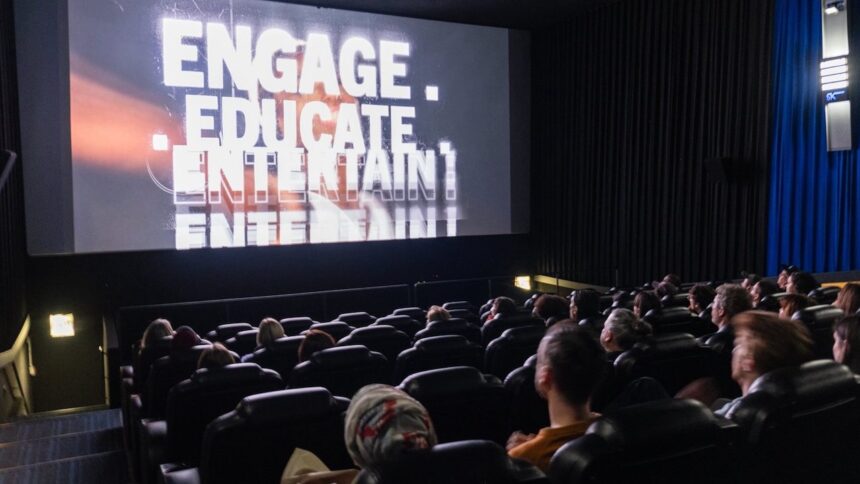
Cape Town’s documentary film audience has a major festival week ahead as Encounters returns with a programme that brings together local filmmakers, international stories, industry conversations and public screenings across the city.
The Encounters South African International Documentary Festival returns to Cape Town next week, bringing one of Africa’s most established documentary platforms back to local cinemas, filmmakers and audiences.
The official Encounters website confirms that the 28th edition of the festival runs from Thursday to Sunday next week in Cape Town, Pretoria and Johannesburg. For Cape Town audiences, the main screenings will take place at The Labia Theatre and Ster-Kinekor at the V&A Waterfront.
Film Cape Town reports that this year’s programme includes 58 documentaries from 33 countries, presented across 116 screenings. The Cape Town programme also includes 13 projects by Cape Town filmmakers, giving the city a strong role in the 2026 festival.
That local presence matters. Documentary film often works closest to real life, and Cape Town has no shortage of stories shaped by politics, memory, land, culture, identity, inequality, music, family, migration, sport, climate and community life. When Cape Town filmmakers appear in a festival such as Encounters, they are not only showing films. They are placing local questions into national and international conversations.
Encounters has been running for nearly three decades and is widely regarded as one of the continent’s leading documentary festivals. Its official site describes the festival as a platform for African and international documentary storytelling, with films, events, guests and industry activity forming part of the wider programme.
This year’s festival arrives at a time when documentary storytelling feels especially relevant. News moves fast, and many public issues are reduced to headlines, clips and short posts. Documentary films slow the pace down. They allow audiences to sit with a story, hear people in their own words, and understand the human detail behind public debates.
That is one reason Encounters continues to matter in Cape Town. The city is often presented through tourism images, property debates, crime statistics or political disputes. Documentary cinema gives filmmakers a way to move beyond those surface images and examine lived experience more deeply.
The festival’s 2026 theme and programme language point strongly toward resilience, human connection and stories that sit beyond the daily news cycle. Film Cape Town quoted festival director Mandisa Zitha as saying Encounters is returning as Africa’s leading documentary festival and is again launching in its home city of Cape Town. She said this year’s films move beyond the complexities of the current global moment to embrace light, love and hope.
That framing gives the programme a wider emotional range. Documentary festivals are often associated with difficult subjects, and rightly so. Many documentaries deal with injustice, violence, corruption, loss, climate threats and political memory. But strong documentary work can also focus on joy, survival, creativity, humour, family and recovery.
For Cape Town audiences, the festival also offers access to films that may not receive wide commercial cinema releases. Documentary films often struggle for space in mainstream theatres, especially when competing with large studio releases. Festivals such as Encounters create a short but important window where these films can be seen on the big screen, discussed in public and connected with filmmakers.
The venues also matter. The Labia Theatre has long been part of Cape Town’s independent film culture, while Ster-Kinekor at the V&A Waterfront gives the festival access to a different cinema audience and a high-visibility urban location. Events in Cape Town also lists outreach venues including Bertha Movie House at the Isivivana Centre in Khayelitsha, Bertha House in Mowbray and pop-up cinema venues, widening the festival footprint beyond the central cinema circuit.
That wider footprint is important for access. A documentary festival should not only serve film professionals or established cinema audiences. It should also reach students, community groups, emerging filmmakers and people whose lives may connect directly with the stories being told.
The industry side of Encounters is also important. The official festival site lists guests, events, industry activity, workshops and panels as part of the programme. These spaces help filmmakers build networks, learn from more experienced practitioners, meet funders or broadcasters, and take part in conversations about how documentary work is produced and distributed.
For the Western Cape’s creative economy, that matters. Film is not only art. It is also work. Documentary production involves researchers, directors, producers, editors, camera crews, sound teams, translators, archival researchers, composers, post-production specialists, publicists and cinema workers. A strong documentary festival helps keep that ecosystem visible.
Cape Town already has a strong film and media base, including commercial production, international service work, independent film, animation, editing and documentary production. Encounters gives the documentary part of that ecosystem a clear public platform.
The inclusion of 13 Cape Town filmmaker projects also gives local audiences a reason to pay attention. These projects can help show how Cape Town-based directors and producers are engaging with subjects that matter locally and globally. It also gives the city’s filmmakers a chance to build festival momentum, audience feedback and further distribution opportunities.
For audiences, the practical message is simple: this is a good week to check the programme early and book ahead. Documentary festival screenings can be limited, and films with strong local interest may attract fast demand.
The full programme and schedule are available through the Encounters website, where audiences can browse films, screening times, guests and events. Film Cape Town has also published a local overview of Cape Town-linked films in the programme.
Cape Town News will keep an eye on standout local films, festival conversations and any award or audience response coming out of this year’s Encounters programme.
Q&A
What is Encounters?
Encounters is the South African International Documentary Festival, an annual documentary film festival showcasing South African, African and international documentaries.
When does the 2026 festival take place?
The 28th Encounters festival runs from Thursday to Sunday next week.
Where are the Cape Town screenings?
Cape Town screenings are listed for The Labia Theatre and Ster-Kinekor at the V&A Waterfront. Additional outreach venues are also listed by Events in Cape Town.
How big is this year’s programme?
Film Cape Town reports that the 2026 programme includes 58 documentaries from 33 countries across 116 screenings.
Why is this important for Cape Town?
The festival gives Cape Town audiences access to local and international documentaries, supports local filmmakers, and strengthens the city’s film and creative economy.
Where can people find the full schedule?
The full schedule, film list, guests and events are available on the official Encounters website.
SAI Search Summary:
The 28th Encounters South African International Documentary Festival returns to Cape Town next week, with screenings at The Labia Theatre and Ster-Kinekor at the V&A Waterfront. Film Cape Town reports that the 2026 programme includes 58 documentaries from 33 countries across 116 screenings, including 13 projects by Cape Town filmmakers. The festival also includes guests, industry events, workshops and public screenings. Encounters remains one of Africa’s leading documentary festivals and gives Cape Town audiences access to local and international documentary films that may not receive wide commercial cinema releases.
Source: Encounters South African International Documentary Festival – Official Programme; Film Cape Town – Staff Reporter; Events in Cape Town – Event Listing.