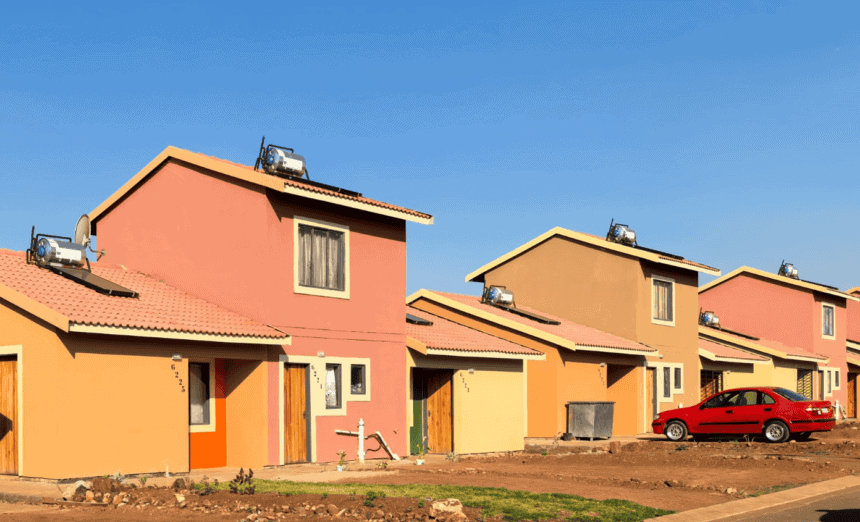
The Western Cape is driving South Africa’s building plan recovery, with new figures showing a sharp rise in approved residential plans across the province, but the property sector is warning that high interest rates could still place pressure on housing delivery, construction activity and job creation.
The Western Cape has emerged as South Africa’s strongest performer in building plan approvals, with new property sector figures showing a sharp recovery in planned residential development across the province.
According to IOL’s property report, total building plan approvals in the Western Cape surged by 62.7% year-on-year, while flats and townhouses rose by 130.4% and entry-level homes increased by 71%.
The province accounted for 48% of all building plans passed nationally in the first quarter, up from 37.8% a year earlier. Gauteng, by comparison, slipped from 35% of all plans to just under 22%.
The figures point to strong property and development momentum in the Western Cape, especially in residential segments linked to densification, sectional title living and entry-level housing. But the same report also warns that rising or elevated interest rates could slow housing delivery and job creation if borrowing costs remain too high for developers and buyers.
That balance is important. Building plan approvals show intention and confidence, but they do not automatically mean that every project will be built quickly. Developers still need financing, buyers still need affordability, and construction still depends on cost, labour, materials, approvals and market demand.
For Cape Town and the wider Western Cape, the numbers show that the province continues to attract demand for new homes, apartments, townhouses and entry-level housing. This links to several long-running pressures: population growth, migration into the province, demand for secure residential developments, rental pressure and the need for more housing closer to jobs, transport and economic opportunity.

Why The Western Cape Numbers Matter
Building plan approvals are an important early signal in the property and construction pipeline. They show where developers, homeowners and investors are preparing to build or expand.
A strong rise in approvals can point to confidence in an area’s future demand. It can also indicate that developers believe there is enough market appetite to support new homes, flats, townhouses or mixed-use projects.
In the Western Cape, the strength in flats and townhouses is especially important. These types of developments often support urban densification and can provide more units on limited land. In a city like Cape Town, where land close to work opportunities is expensive and limited, higher-density housing is a key part of the broader property debate.
Entry-level home growth is also important. A 71% rise in this category suggests demand for more accessible housing options, although affordability remains a serious issue for many households.
The Western Cape’s share of national building plan approvals also shows how much development activity has shifted toward the province. If the province accounted for 48% of all plans passed nationally in the first quarter, it means nearly half of the country’s approved building plan activity was concentrated in one region.
That is good news for construction activity, but it also brings pressure. Growth must be matched with infrastructure, transport, water, electricity, roads, schools and public services.
The Interest Rate Problem
The warning from the property sector is that high interest rates can slow the delivery of housing even when demand is strong.
Interest rates affect both sides of the property market.
For buyers, higher rates increase monthly bond repayments and reduce affordability. A household that might qualify for a home loan at a lower rate may struggle when rates remain elevated.
For developers, higher rates can raise the cost of financing projects. This can affect whether developments go ahead, how quickly they are completed and whether units remain affordable for the intended market.
This is why a surge in building plan approvals should be read carefully. It shows strong planning activity, but the final test is whether projects move from approval to construction, and from construction to occupied homes.
If borrowing costs remain high, some approved projects may be delayed, scaled down or priced beyond the reach of buyers who need housing most.
Housing Delivery And Jobs
The construction sector is an important employer. When building activity increases, it can support jobs in construction, architecture, engineering, planning, manufacturing, transport, materials supply, security, cleaning and property services.
That means building plan growth can have wider economic value beyond the property market itself.
But if interest rates slow projects, the effect can ripple through the economy. Delayed construction can affect contractors, workers, suppliers and small businesses that depend on development activity.
For the Western Cape, the challenge is to turn planning momentum into completed homes, stable jobs and well-serviced communities.
This is especially important in areas where housing demand is high and affordability remains under pressure.
Cape Town’s Bigger Housing Question
The Western Cape building plan surge also sits inside Cape Town’s wider housing debate.
Cape Town continues to face pressure around housing affordability, public land use, rental costs, inner-city development, social housing and access to well-located homes.
A rise in building plans may help supply, but it does not automatically solve affordability. New flats, townhouses and entry-level homes still need to be priced within reach of the people who need them.
The key question for readers is not only whether more homes are being planned. It is whether those homes are in the right places, linked to transport, supported by services and affordable enough for working households.
That is where government planning, private investment and infrastructure delivery meet.
What Readers Should Watch
Readers should watch whether the approved plans become active construction sites over the coming months.
Important signs include:
New residential projects breaking ground.
More townhouse and apartment developments entering the market.
Entry-level home projects moving from approval to sales.
Developers warning about delays linked to borrowing costs.
Local municipalities approving infrastructure linked to new housing.
Changes in interest rates that affect bond affordability.
For homeowners, buyers and tenants, the building plan surge may eventually affect local supply, rental pressure and neighbourhood development patterns. But the effect will depend on where the projects are located and whether they are completed.
For workers and small businesses, increased construction can create opportunities, but only if approved plans move into real building activity.
What Happens Next
The next major factor will be the interest-rate environment. If rates ease, developers and buyers may find more room to move. If rates remain high, housing delivery could slow despite strong approval numbers.
Municipal infrastructure capacity will also matter. More building plans require enough water, electricity, roads, sewage capacity and public services to support growth.
Cape Town News will continue tracking property and housing developments across the Western Cape, especially where new approvals affect affordability, public land, densification, infrastructure and local communities.
Q&A
What does a building plan approval mean?
A building plan approval means the relevant authority has approved plans for a proposed building or development. It does not always mean construction has already started.
Why is the Western Cape leading the building plan recovery?
The figures reported by IOL show strong growth in approved plans across the province, especially flats, townhouses and entry-level homes. This points to strong property demand and development confidence in the Western Cape.
How much did Western Cape building plans increase?
Total approvals in the Western Cape rose by 62.7% year-on-year, while flats and townhouses increased by 130.4% and entry-level homes rose by 71%.
Why do interest rates matter?
Interest rates affect the cost of borrowing for both developers and buyers. High rates can make projects more expensive to finance and homes harder to afford.
Does this mean housing will become cheaper?
Not automatically. More building activity can help supply, but affordability depends on location, pricing, interest rates, construction costs, land costs and whether homes are aimed at the right market.
Why does this matter for jobs?
Construction activity supports jobs in building, planning, engineering, supply chains and property services. If projects are delayed by high interest rates, job creation can also be affected.
SAI Search Summary
The Western Cape is leading South Africa’s building plan recovery, with total building plan approvals up 62.7% year-on-year. IOL reported that flats and townhouses in the province rose 130.4%, while entry-level homes increased 71%. The Western Cape accounted for 48% of all building plans passed nationally in the first quarter, compared with Gauteng’s decline to just under 22%. Property sector voices warn that high interest rates could still slow housing delivery, construction activity and job creation if borrowing costs remain elevated.
Source: IOL – Staff Reporter.