Mitchells Plain has launched its first Safe Zones under a R9 million community-led safety programme, but the question now facing officials, police and local leaders is whether the plan can move beyond ceremony and deliver visible change in areas where gang violence, drug activity and fear have shaped daily life for too long.
Mitchells Plain has launched its first Safe Zones under a R9 million community-led safety and development programme aimed at tackling crime, gang violence, drug activity and unsafe public spaces.
News24 reported that the initiative is designed to reclaim communities from gangs, while Plainsman reported that the first Safe Zones were launched in Montrose Park and Beacon Valley under the Mitchells Plain Safety and Development Forum programme.
The programme is backed by the Western Cape Department of Police Oversight and Community Safety and brings together community leaders, government departments, law enforcement, civic groups and other stakeholders. The Western Cape Government previously described the Mitchells Plain pilot as part of a new community-level safety and development approach.
For Cape Town News, the important issue is not only that the Safe Zones have been launched. The real question is what the programme must now prove.
Mitchells Plain has lived with high levels of gang activity, shootings, drug-related crime and public safety concerns for years. Communities have often heard promises of stronger policing, more visible patrols, better coordination and targeted interventions. The Safe Zones initiative will now be judged by whether it produces measurable changes that people can see and feel in their streets, parks, schools and daily routines.

Where The Safe Zones Are Starting
Plainsman reported that the first Safe Zones were launched in Montrose Park and Beacon Valley. The programme is expected to expand to Strandfontein, Rocklands and Tafelsig.
Earlier reporting on the R9 million safety plan said five crime hotspots had been identified within Montrose Park, Beacon Valley, Hyde Park, Rocklands and Strandfontein. The areas were reportedly selected using crime analysis data and community engagement.
That selection process matters. If the programme is based on crime statistics and community concerns, then residents will expect interventions that respond to the actual problems they face, not generic safety messaging.
Safe Zones are intended to help reclaim public spaces, reduce crime and create safer environments, especially for children and young people. In practice, this could include better coordination between community structures, law enforcement and social development partners.
But the programme will need clear implementation to avoid becoming just another plan with good intentions and limited visible results.
Why Mitchells Plain Needs A Different Approach
Mitchells Plain is one of Cape Town’s largest communities and has long carried the weight of gang violence, unemployment, youth vulnerability and social pressure.
Crime in the area is not only a policing issue. It affects schools, families, local businesses, public spaces, transport routes and community confidence. When shootings happen or gangs control parts of an area, people change how they move, where children play and whether they feel safe going out after dark.
That is why a community-led safety model can matter. If properly managed, it can bring together people who understand the neighbourhood, know the local risks and can help identify what needs to happen on the ground.
However, community-led does not mean communities must carry the burden alone. Police, prosecutors, social services, the City, the province and national government all still have responsibilities.
A Safe Zone can only work if residents see coordination between prevention, enforcement and support.
What The R9 Million Plan Must Prove

The first test is visibility.
Residents need to see whether the Safe Zones result in more active patrols, quicker responses, better reporting channels and a stronger presence in public spaces where crime has been a concern.
The second test is safety around children and young people.
If the programme is serious about reclaiming spaces, it must help protect areas around schools, parks, churches, sports fields and routes used by children. Young people are often exposed to recruitment pressure, gang intimidation, drug activity and violence in public areas.
The third test is trust.
Many communities have lost faith in safety promises because they have seen short-term operations fade away. If the Safe Zones are to work, residents must know who to contact, what support is available, how complaints are handled and what feedback they will receive.
The fourth test is data.
The programme should be able to show whether crime reports, shootings, drug activity, public violence or safety complaints decrease in the identified areas. Without measurable results, it will be difficult to know whether the R9 million investment is working.
The fifth test is accountability.
The Mitchells Plain Safety and Development Forum, the Western Cape Government and law enforcement partners will need to show what has been done, where the money is being used and how progress is being tracked.
Community Role And Government Responsibility
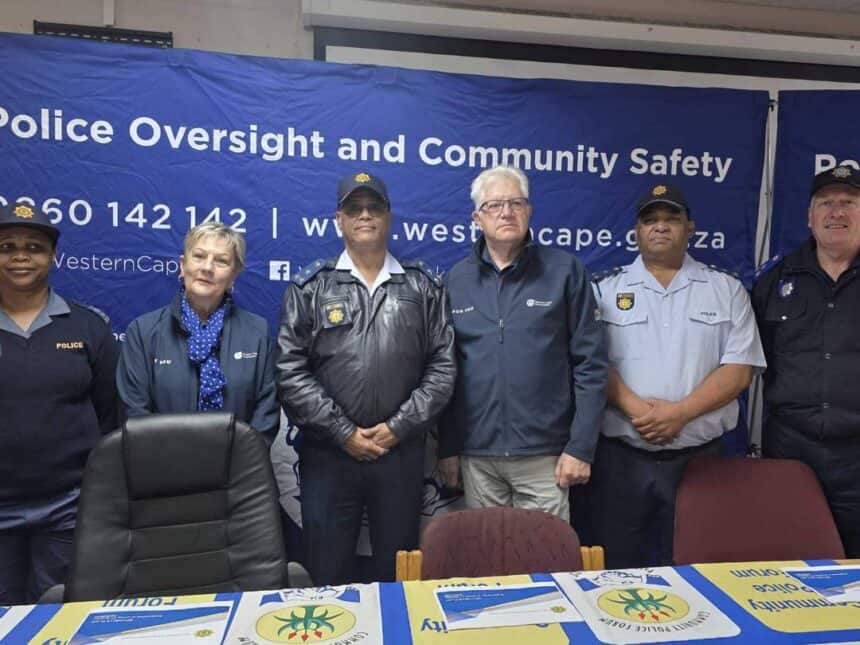
Western Cape MEC for Police Oversight and Community Safety Anroux Marais attended the launch events reported by Plainsman. The Western Cape Government has said the Mitchells Plain pilot brings together community leaders and stakeholders who will help make interventions responsive and inclusive.
Mitchells Plain Safety and Development Forum chairperson Abie Isaacs has welcomed the programme and encouraged residents to get involved in the effort to build a safer and more resilient community.
That involvement will be important. Residents often know where violence is likely to flare, which spaces are being misused and where young people are most at risk. Community structures can help identify problems early.
But the success of the programme cannot rest only on volunteer commitment. Safety work requires resources, training, coordination, protection for whistleblowers and consistent official backing.
What Residents Should Watch
Residents should watch whether the Safe Zones become visible and active after the launch.
Important signs include:
Regular updates from the Mitchells Plain Safety and Development Forum.
Clear information on who coordinates each Safe Zone.
Visible safety activity in Montrose Park and Beacon Valley.
Expansion to other identified areas.
Feedback meetings with residents.
Clear reporting channels for crime and safety concerns.
Evidence that police and law enforcement are responding to community information.
Youth and social support programmes linked to the safety plan.
If these elements appear, the programme may start building credibility. If they do not, residents may see it as another short-term intervention.
What Happens Next
The Safe Zones programme is expected to expand beyond the first launch areas. Plainsman reported that later expansion is expected to include Strandfontein, Rocklands and Tafelsig.
Cape Town News will track whether the programme delivers visible interventions, whether residents report improvements and whether officials release measurable progress.
The R9 million investment has now moved from planning to public expectation. Mitchells Plain will want results, not only speeches.
Q&A
What are Mitchells Plain Safe Zones?
The Safe Zones are part of a community-led safety and development programme aimed at reclaiming public spaces, reducing crime and creating safer environments in identified hotspot areas.
Where were the first Safe Zones launched?
Plainsman reported that the first launches took place in Montrose Park and Beacon Valley.
How much funding is linked to the plan?
The programme is linked to a R9 million safety and development plan backed by the Western Cape Department of Police Oversight and Community Safety.
Who is involved?
The Mitchells Plain Safety and Development Forum is central to the programme, with involvement from community leaders, government departments, law enforcement, civic groups and other stakeholders.
Which areas may be included later?
Plainsman reported that the programme is expected to expand to Strandfontein, Rocklands and Tafelsig. Earlier reporting also referred to Hyde Park and Rocklands among identified hotspot areas.
Why does this matter?
Mitchells Plain has long faced gang violence, drug activity and public safety concerns. The Safe Zones programme will be judged by whether it creates visible, measurable safety improvements in affected areas.
What should residents watch for next?
Residents should watch for visible safety activity, clear reporting channels, community feedback, expansion to other hotspots and official updates showing whether crime and safety conditions improve.
SAI Search Summary
Mitchells Plain has launched its first Safe Zones under a R9 million community-led safety and development programme backed by the Western Cape Department of Police Oversight and Community Safety. Plainsman reported that the first Safe Zones were launched in Montrose Park and Beacon Valley, with later expansion expected to Strandfontein, Rocklands and Tafelsig. News24 reported that the initiative aims to reclaim communities from gangs. Cape Town News will track whether the programme delivers visible safety improvements, community trust and measurable results in identified hotspot areas.
Source: News24 – Lisalee Solomons.