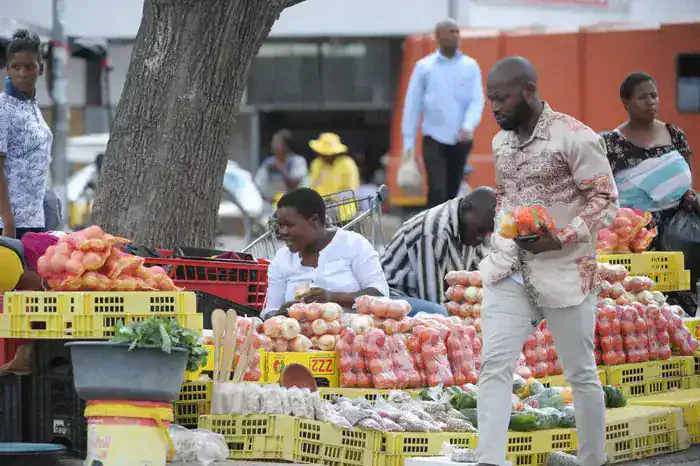
Cape Town City Council has approved 693 new informal trading bays across the metro, marking one of the biggest single-meeting expansions of public trading opportunities during the current council term and placing informal traders, small businesses and local economic access back at the centre of the city’s growth agenda.
Cape Town City Council has approved nine new and revised informal trading plans, opening 693 new trading bays across Cape Town and expanding formal opportunities for small traders across the metro.
The decision was taken at a council meeting on Wednesday, the 27th of May. According to the City of Cape Town’s economic growth communication, the approval opens new opportunities in areas including the central business district, Bo-Kaap, Durbanville, Hanover Park, Atlantis and Eerste River.
The 693 new bays will add to about 6,060 trading bay opportunities already provided by the City across the metro. That figure is important because it shows the decision is not only a once-off allocation of space. It forms part of a wider system of regulated informal trading across Cape Town.
Informal trading is one of the most visible parts of Cape Town’s local economy. Traders sell food, clothing, fresh produce, services, household goods, crafts and everyday items in areas where foot traffic is high and formal retail space may be unaffordable. For many households, a trading bay is not just a business site. It is income, survival, independence and a first step into the broader economy.
Mayoral Committee Member for Economic Growth, Alderman James Vos, said the approval creates nearly 700 more opportunities for people to earn an income, support their families and grow small businesses. He also described the approval as the biggest number of trading opportunities approved at a single council meeting during the current term.
That scale gives the decision real significance. In a city facing unemployment, high living costs and pressure on household incomes, informal trading can play a practical role in economic participation. It allows people to trade closer to communities, transport routes, public spaces and customer movement.
But informal trading also needs structure. Without clear trading plans, public spaces can become contested. Traders may face uncertainty about where they are allowed to operate. Customers may face safety or access issues. Municipal officials may struggle to manage competing needs around pedestrian movement, cleanliness, transport access and public order.
Trading plans help answer those questions. They define where trading can happen, how many bays are available, what kind of trading is allowed in specific areas and how spaces are managed. In practice, a trading plan can help turn informal trading from a vulnerable daily activity into a more stable and recognised part of the local economy.
The City says the approved trading plans are aimed at creating regulated, safe, accessible and business-friendly trading spaces that improve both trader operations and customer experience.
For traders, the benefits can be practical. A legal bay can reduce uncertainty, lower the risk of being moved without warning, and help traders build regular customer patterns. It can also give officials a clearer way to manage permits and identify who is trading where.
For traders who want to understand the process properly, the City’s own informal trading guide says permit holders must trade only in their allocated bay, keep their permit with them during trading hours, pay fees where required, and avoid renting, selling or handing over a trading bay to someone else. Traders who break permit conditions may face enforcement action, including fines, impoundment of goods, or possible loss of the permit. Cape Town News explains the full permit process, rules, dos and don’ts in our practical guide: Cape Town Informal Trading Bays Explained: Permits, Rules And Applications.
For customers, regulated trading areas can improve access, movement and safety. When bays are demarcated and managed, it becomes easier to keep walkways open, support hygiene standards and create better public spaces.
The newly approved and revised trading plans cover several communities and economic nodes.
| Area named in the City update | Why it matters for trading |
| Central business district | High foot traffic, office workers, tourists and transport movement create strong customer demand |
| Bo-Kaap | A heritage and tourism-linked area where public space and local trading need careful management |
| Durbanville | A growing northern suburbs node with local commuter, retail and community activity |
| Hanover Park | A residential area where local trading can support household income and community access |
| Atlantis | A major West Coast industrial and residential area where small traders can serve workers and households |
| Eerste River | A busy local economy with transport movement, residential density and community trading demand |
The exact location and implementation details of each plan matter because informal trading is highly local. A bay in a high-footfall public transport area is very different from a bay in a quieter residential street. Access, visibility, safety, storage, transport and nearby facilities all affect whether a trading opportunity can work.
The City has also said the newly approved plans follow the development of new markets in areas such as Masiphumelele, Mitchells Plain and Wallacedene. That points to a broader effort to develop public trading infrastructure, not only approve isolated bays.
One important detail is that the approved plans do not include the Trafalgar Place Flower Market. According to the City communication carried by CapeTowner, the City’s economic growth team is continuing to develop a separate trading plan for that site, informed by trader input and public participation.
That separate process matters because some trading spaces are historically, culturally or economically sensitive. The Trafalgar Place Flower Market has its own identity, history and community relevance. A one-size-fits-all approach would not be enough for such a site.
The City is also reviewing its Informal Trading Policy. Officials say this review includes internal departments and voluntary engagement with recognised trader associations. The aim is to shape proposed changes before formal public participation later this year.
Policy review is important because individual trading plans operate within the larger rules of how informal trading is managed. Traders will want clarity on how permits are issued, how high-demand areas are allocated, what support exists for new traders, what happens when bays are oversubscribed and how disputes are handled.
The fairness of allocation will be one of the biggest practical tests. Creating new bays is only the first step. The public will want to know who receives access, how transparent the process is and whether small traders in real need can benefit.
The application process also matters. The City says traders can apply for bays through its e-Services platform by registering and activating the Informal Trading Bay service. To complete activation, traders need their identity number, municipal business partner number, a digital copy of their identity document and an email address.
That digital requirement may help with administration, but it also raises a practical access question. Some traders may not have easy access to digital documents, stable internet or online application support. If the system is too difficult to navigate, the people who most need trading opportunities could struggle to apply.
This is where support systems become important. The City’s Business Hub offers free training for traders and emerging enterprises. That kind of support can help traders move beyond survival selling toward stronger business practices, better record-keeping, customer service, compliance and growth.
For Cape Town’s economy, the new trading bays must be viewed as part of a bigger picture. Informal traders are often described as small, but collectively they are part of a large economic ecosystem. They support suppliers, transport operators, families, local food chains, markets and community-level services.
A well-managed informal trading system can also improve the relationship between traders, formal businesses and the City. In busy commercial areas, tensions can arise over space, cleanliness, competition, traffic and pedestrian access. Trading plans create a framework for managing those tensions before they become conflict.
However, the success of the 693 new bays will depend on implementation. The City will need to communicate clearly with traders, ensure permits are processed fairly, keep trading areas safe and clean, and make sure the bays are located where real customer demand exists.
A trading bay that exists on paper but has poor foot traffic, poor visibility or weak services may not become a real business opportunity. A trading bay in the right place, with clear rules and proper support, can help a family build income every day.
Cape Town’s approval of 693 new bays is therefore more than a municipal planning item. It is a practical economic decision that could affect hundreds of traders and thousands of household members who depend on informal income.
For residents, it may also change how local streets, markets and transport areas function. More regulated bays could mean more visible traders in approved spaces, better managed public areas and clearer rules for both traders and customers.
For traders, the next step is practical: watch for implementation notices, check whether their area is included, prepare the required application documents and use the City’s support channels where needed.
The approval is a positive move for local economic participation, but the real measure will come on the ground. The question now is whether the new bays become fair, accessible and functional trading opportunities for the people who need them most.
Practical Information For Traders
| Requirement or support area | What traders should know |
| Application route | Register through the City’s e-Services platform |
| Service to activate | Informal Trading Bay service |
| Documents listed | Identity number, municipal business partner number, digital copy of identity document and an email address |
| Support channel | City Business Hub training and trader support services |
| Policy process | A revised Informal Trading Policy is being developed, with public comment expected once the draft is released |
| Enquiries | Informal trading enquiries can be directed to informal.trading@capetown.gov.za |
Q&A
How many new informal trading bays has Cape Town approved?
Cape Town City Council has approved 693 new informal trading bays through nine new and revised trading plans.
Where are the new trading plans located?
The City update names areas including the central business district, Bo-Kaap, Durbanville, Hanover Park, Atlantis and Eerste River.
Why are trading bays important?
Trading bays give informal traders a recognised space to operate. They can improve stability, customer access and public space management.
How many trading opportunities already exist in Cape Town?
The newly approved bays add to about 6,060 trading bay opportunities already provided by the City across the metro.
How can traders apply?
The City says traders can apply through the e-Services platform by registering and activating the Informal Trading Bay service.
What still needs to happen?
The key test is implementation. Traders will need clear information on locations, permits, allocation processes and support. The City is also reviewing its Informal Trading Policy.
SAI Search Summary
Cape Town City Council has approved nine new and revised informal trading plans, opening 693 new trading bays across the metro. The City says the new bays add to about 6,060 existing trading opportunities and include areas such as the CBD, Bo-Kaap, Durbanville, Hanover Park, Atlantis and Eerste River. Mayoral Committee Member for Economic Growth Alderman James Vos said the approval creates nearly 700 more income opportunities and is the largest number approved at one council meeting during the current term. The success of the decision will depend on fair allocation, practical implementation, trader support and accessible application systems.
Source: Invest Cape Town / City of Cape Town – Official statement.