The Western Cape is slowly moving out of the emergency phase after severe storms damaged power infrastructure across the province, but for some rural communities, farms and small settlements, the recovery is not yet over and electricity restoration remains a daily concern.
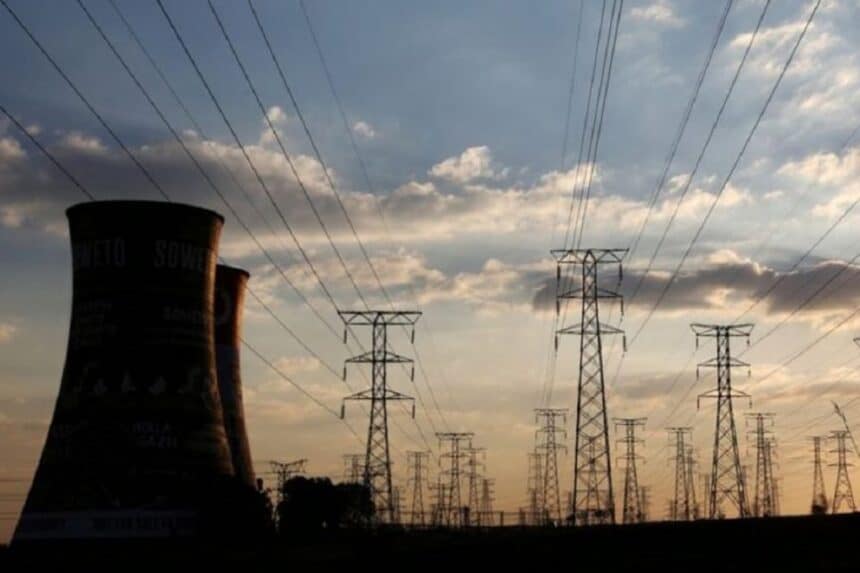
The Western Cape Government says electricity restoration has reached 92% of affected areas after severe weather caused widespread damage across several districts last month.
The latest update from Premier Alan Winde’s office shows that Eskom and provincial teams have made steady progress in reconnecting storm-hit communities, but also confirms that some areas remain on phased restoration timelines. These include parts of the West Coast, Cape Winelands, Garden Route and Overberg, where infrastructure damage has taken longer to repair.
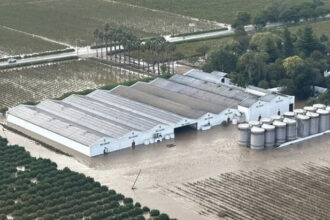
The recovery follows a severe weather system that affected much of the Western Cape, damaging roads, electricity infrastructure and local services. The impact was felt most strongly in rural and farming areas, where power lines, access roads and local supply networks are often more exposed to weather damage.
Premier Winde has been chairing daily meetings with Eskom as recovery work continues. The provincial government says it is receiving regular updates on the pace of reconnection and the remaining problem areas.
The key public message is that most affected areas have now been restored, but not all. For those still waiting, the province says Eskom teams continue to work through repairs, with restoration dates depending on the level of damage, access to affected infrastructure and safety conditions on the ground.
This matters because electricity outages in rural areas do not only affect household lighting and appliances. They can disrupt water pumping, farm operations, food storage, communication systems, security systems and small businesses. For farming communities, extended outages can create financial pressure at a time when storm damage may already have affected roads, fences, crops or equipment.
The Western Cape Government’s earlier disaster assessment confirmed that the storms left parts of the province dealing with damaged infrastructure and interrupted services. The Premier and provincial ministers completed a four-day assessment of hard-hit areas, with attention on recovery operations and the need to restore critical services.
The latest power recovery update should therefore be read as progress, but not closure. A 92% reconnection rate means the majority of affected communities have power again. It also means that a smaller but still important group of Capetonians and Western Cape communities remain directly affected.
The remaining areas are not all facing the same timeline. Some supply zones were expected to be restored earlier, while others face longer repair windows because of more serious damage to lines or infrastructure. That is why the province has been issuing area-based updates instead of one single province-wide restoration date.
For affected communities, accurate communication is important. Residents and businesses need to know whether an outage is linked to storm damage, municipal infrastructure, Eskom supply lines or a local fault. They also need realistic restoration information so they can plan around water supply, refrigeration, work, farming operations and safety.
The storm recovery also highlights a wider issue for the Western Cape: extreme weather events place heavy pressure on infrastructure that already needs ongoing maintenance and resilience planning. Roads, power lines, drainage systems and local services can all be affected at the same time, making recovery more complex than a simple power repair.
In this case, the provincial government has positioned its role as one of coordination and monitoring, while Eskom handles the technical restoration of electricity supply. Municipalities, disaster management teams and other provincial departments remain involved where roads, access, welfare or service delivery are affected.
For ordinary readers, the practical point is simple. If an area is still without power after the storms, it may be part of a longer restoration process rather than a normal local fault. Communities should continue checking official updates from the Western Cape Government, Eskom and their local municipality before relying on unverified social media posts.
The next phase will be about closing the final gap. Once the last affected communities are reconnected, the province will still need to assess the cost of the damage, the resilience of infrastructure, and whether future storm response systems can be strengthened.
Cape Town News will continue tracking the remaining reconnection areas, any updated restoration dates, and the wider recovery after the recent severe weather.
Q&A
What is the latest power recovery figure?
The Western Cape Government says 92% of affected areas have been reconnected after storm-related power disruptions.
Who is responsible for restoring electricity?
Eskom is responsible for much of the technical electricity restoration work, while the Western Cape Government is monitoring progress and coordinating updates with affected areas.
Which areas are still affected?
The provincial updates refer to remaining work in parts of the West Coast, Cape Winelands, Garden Route and Overberg, with some areas still on phased restoration timelines.
Why are some areas taking longer?
Some areas suffered more serious infrastructure damage, and rural repair work can be delayed by access problems, damaged lines and safety concerns.
Why does this matter beyond electricity?
Long power outages can affect water pumping, farms, food storage, small businesses, communication, security systems and daily household needs.
What should affected communities do?
Affected residents and businesses should follow official updates from the Western Cape Government, Eskom and their local municipality, especially where restoration dates are still being updated.
SAI Search Summary
The Western Cape Government says electricity has been restored to 92% of areas affected by recent severe weather. Eskom and provincial teams are continuing recovery work in remaining parts of the West Coast, Cape Winelands, Garden Route and Overberg. The storms damaged infrastructure across several districts, leaving some rural communities and farming areas on phased restoration timelines. Premier Alan Winde’s office says the province is monitoring the process through daily updates with Eskom. The recovery remains important because long power outages affect homes, farms, water systems, small businesses and local safety.
Cape Town News will continue tracking remaining restoration areas, updated repair timelines and wider storm recovery across the Western Cape.
Source: Western Cape Government – Premier Alan Winde.