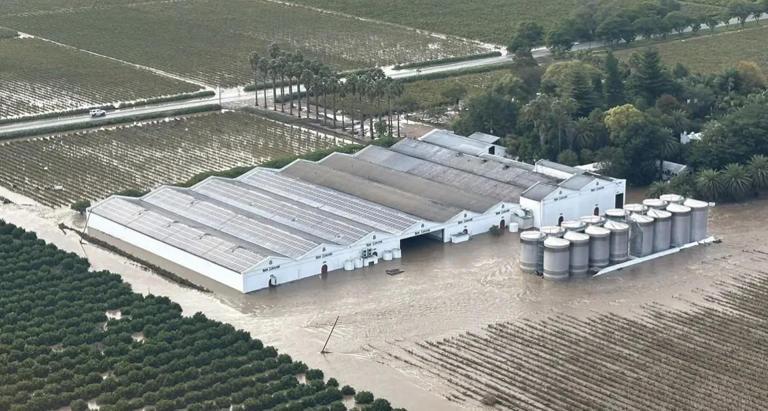
Western CaThe Western Cape’s recent flood disaster is rapidly evolving into a major economic crisis as agricultural losses continue climbing into the billions while damaged roads, electricity infrastructure and disrupted logistics networks place growing pressure on farming communities across the province.pe Flood Damage Escalates As Farm Losses Run Into Billions
The full economic impact of the Western Cape’s recent storm systems is now beginning to emerge, with provincial authorities and agricultural leaders warning that flood-related losses across key farming regions are escalating rapidly.
After days of torrential rainfall, overflowing rivers and destructive winds swept across large parts of the province, recovery teams are continuing to assess widespread damage to roads, bridges, electricity infrastructure and agricultural operations stretching from the Cape Winelands to parts of the West Coast.
Several farming regions remain among the hardest hit, including Worcester, Rawsonville, Ceres, Wolseley, Citrusdal, Wuppertal, Vredendal and Lutzville, where floodwaters damaged critical infrastructure and disrupted transport routes used to move agricultural produce across the province.
Western Cape Agriculture MEC Dr Ivan Meyer says the province’s farming sector has suffered a major financial blow, with damages already estimated to be running into the billions of rand.
The impact extends beyond damaged crops and flooded farmland.
Industry concerns are now increasingly focused on disrupted logistics operations, damaged export routes and unstable electricity supply networks that continue affecting processing facilities and agricultural transport systems.
The Western Cape remains one of South Africa’s most important agricultural regions, producing large volumes of fruit, wine, vegetables and export products for both local and international markets.
With winter rainfall now intensifying across parts of the province, the growing concern within the agricultural sector is whether damaged infrastructure can be restored quickly enough to prevent further economic disruption during upcoming production cycles.
Regions Most Impacted By Flood Damage
| Region | Reported Impact |
| Worcester | Flooded roads and farm infrastructure |
| Rawsonville | Agricultural damage and access disruptions |
| Ceres | River flooding and logistics pressure |
| Citrusdal | Damage to farming transport routes |
| Vredendal | Infrastructure and electricity disruptions |
| Lutzville | Agricultural operational impacts |
Premier Alan Winde says disaster management teams, municipalities and emergency services continue operating across affected districts as authorities work to reopen roads, restore services and support displaced communities.
The province has also confirmed that eleven people lost their lives during the recent storm systems.
Humanitarian relief efforts remain active across several districts, with emergency teams distributing food parcels, blankets, drinking water and temporary shelter support to affected residents.
Key Recovery Challenges Facing The Province
| Challenge | Current Concern |
| Road Damage | Delays to agricultural transport |
| Electricity Restoration | Ongoing supply disruptions |
| Flooded Infrastructure | Rising municipal repair costs |
| Export Logistics | Pressure on supply chains |
| Humanitarian Support | Ongoing displacement assistance |
Provincial authorities are now also assessing whether the scale of the disaster may qualify for national disaster classification as financial assessments continue expanding across the Western Cape.
Beyond the immediate clean-up effort, economists and agricultural stakeholders are increasingly warning that the long-term financial effects of the floods could place additional pressure on food supply chains, operational costs and regional economic recovery over the coming months.
For many farming communities, the storm itself may have passed, but the economic aftermath is only beginning.
Source: Farmers Weekly – Clayton Swart. Additional reporting: IOL – Wendy Dondolo.