Western Cape: A newly described freshwater parasite species, Paradiplozoon jordaanae, has been named after CapeNature fauna ecologist Dr Martine Jordaan after researchers from North-West University identified the organism on the gills of two near-threatened endemic fish species in the Matjies and Rondegat rivers, recognising Jordaan’s long-standing contribution to aquatic biodiversity work in the Cape Fold Ecoregion.
New Species Honours Western Cape Conservation Work
A newly described freshwater parasite species has been named after CapeNature fauna ecologist Dr Martine Jordaan, placing a Western Cape conservation scientist at the centre of a rare biodiversity recognition.
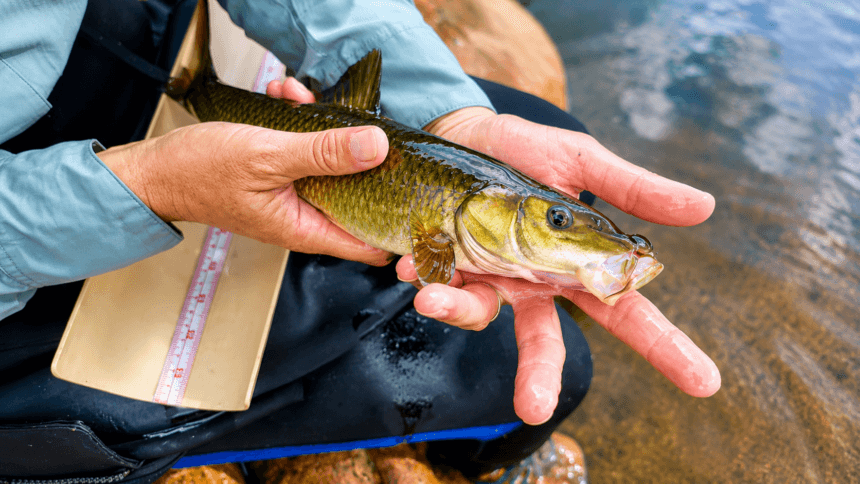
The species, Paradiplozoon jordaanae, was identified during research into parasites found on the gills of two near-threatened endemic freshwater fish species, the Clanwilliam sawfin and the Clanwilliam redfin. The research focused on specimens from the Matjies and Rondegat rivers in the Cape Fold Ecoregion, one of the province’s most important freshwater biodiversity landscapes.
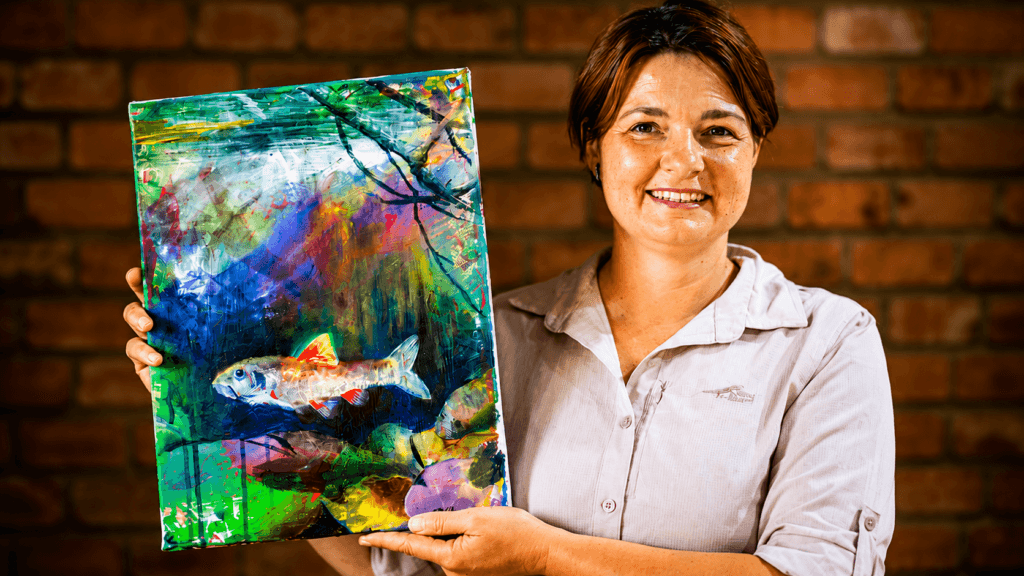
CapeNature said the species was named after Jordaan in recognition of her knowledge and passion for the aquatic life of the Cape Fold Ecoregion, her continued enthusiasm for studying the region’s fishes, and her understanding of their parasitofauna.
For many readers, a parasite may not sound like a glamorous discovery. But in conservation science, even a small organism can tell an important story about an ecosystem. Freshwater parasites are part of the biological web around fish populations, river health and species interactions. Their presence, absence and diversity can help scientists understand what is happening below the surface of a river system.
Why The Discovery Matters
The discovery matters because the Western Cape’s rivers are home to fish species found nowhere else.
The Clanwilliam sawfin and Clanwilliam redfin are endemic freshwater fish, meaning they are naturally restricted to specific river systems in South Africa. Both are listed as near-threatened, which makes any research connected to their ecology important for conservation planning.
Paradiplozoon jordaanae was found on the gills of these fish. CapeNature said the species was described through studies of parasites found on the two fish species in the Matjies and Rondegat rivers.
That detail matters because freshwater conservation is not only about protecting the fish people can see. It also involves understanding the smaller organisms, habitats, water quality, river flows and ecological relationships that allow those fish to survive.
A newly described parasite species can help researchers build a clearer picture of the river ecosystem. It can also show how much remains unknown, even in rivers already studied by conservation authorities and academic institutions.
A Six-Year Scientific Trail
CapeNature said the species was identified by researchers from the Water Research Group at North-West University following a collaboration that began nearly six years ago.
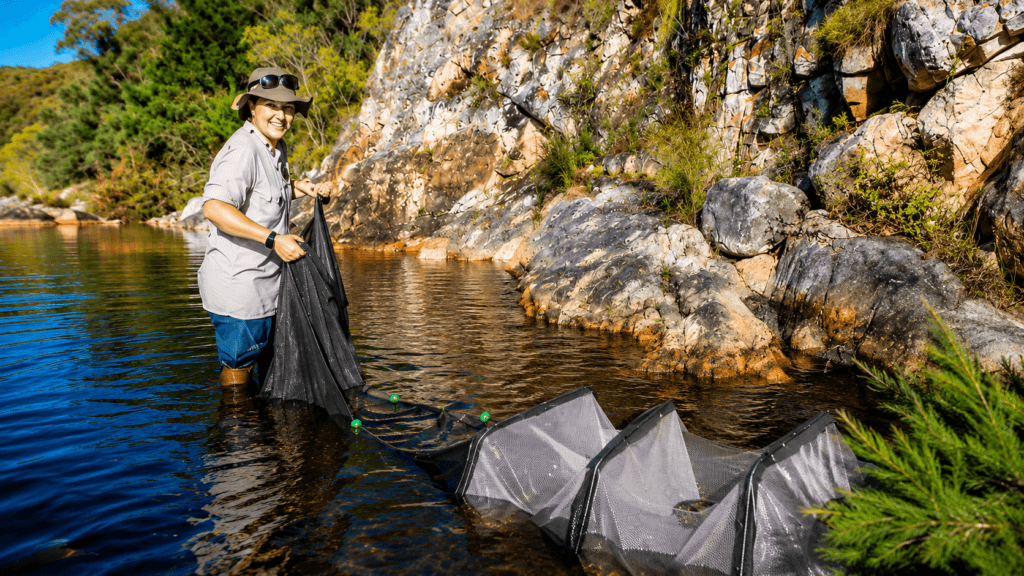
The story began when Jordaan encountered an unusual parasite during fieldwork on redfin fish. CapeNature described it as a fish ectoparasitic flatworm that had not been seen in the rivers of the Cape ecoregion for many years.
That field observation became the start of a longer research process. In science, naming a new species is not instant. Researchers must examine specimens, compare them with known species, study distinguishing features, review literature, prepare descriptions and publish findings through accepted scientific channels.
The result was the formal description of Paradiplozoon jordaanae and the decision to honour Jordaan in the species name.
CapeNature CEO Praises Collaboration
CapeNature chief executive Dr Ashley Naidoo said the recognition highlighted the importance of collaboration in advancing conservation science in the Western Cape.
Naidoo said having a species named after Jordaan was significant recognition, not only for her personally, but also for the freshwater biodiversity work being done within the Cape Fold Ecoregion.
He said the collaboration showed how partnerships, both formal and informal, between conservationists and academic researchers can deepen scientific understanding and strengthen conservation outcomes.
That statement is important because modern conservation rarely happens through one institution alone. Field ecologists, universities, taxonomists, conservation authorities, river specialists and local knowledge all contribute to the final picture.
In this case, CapeNature’s field expertise and North-West University’s research capacity combined to produce a formal scientific result.
What Is Paradiplozoon jordaanae?
Paradiplozoon jordaanae is a newly described species of fish parasite.
More specifically, it belongs to a group of ectoparasitic flatworms. Ectoparasites live on the outside of a host, or on exposed surfaces such as gills, rather than inside the body. In this case, the parasite was found on the gills of freshwater fish.
That may sound alarming, but parasites are a normal part of ecosystems. They can influence fish health, population dynamics and biodiversity. Studying them helps scientists understand the relationships between species and the conditions inside river systems.
Naming the species after Jordaan does not mean she discovered it alone. It recognises her contribution to the fieldwork, knowledge and conservation context that helped make the research possible.
Key Scientific Information
| Detail | Verified Information |
| New species | Paradiplozoon jordaanae |
| Named after | Dr Martine Jordaan |
| Jordaan’s role | CapeNature fauna ecologist |
| Research group | Water Research Group at North-West University |
| Host fish | Clanwilliam sawfin and Clanwilliam redfin |
| Conservation status of host fish | Near-threatened |
| Rivers studied | Matjies River and Rondegat River |
| Region | Cape Fold Ecoregion |
| Type of organism | Fish ectoparasitic flatworm |
| Scientific importance | Helps deepen understanding of freshwater biodiversity and fish parasitofauna |
Why The Cape Fold Ecoregion Is Important
The Cape Fold Ecoregion is one of South Africa’s most important freshwater conservation areas.
Its river systems support unique fish species that evolved in relatively isolated catchments. Many of these species face pressure from habitat degradation, invasive fish, altered river flows, water abstraction and climate stress.
The Clanwilliam sawfin and Clanwilliam redfin are part of that freshwater heritage. Protecting them requires more than keeping rivers visually clean. Conservationists need to understand their breeding habitats, feeding systems, predators, parasites, water quality requirements and ecological threats.
This is where research into a small parasite becomes part of a larger conservation picture. Every new piece of knowledge helps scientists and conservation managers make better decisions about river protection.
Western Cape Biodiversity Gets Global Recognition
Having a species named after a CapeNature ecologist also gives Western Cape conservation work a form of scientific visibility.
Species names become part of the permanent scientific record. Long after a press release fades, Paradiplozoon jordaanae will remain tied to Jordaan’s name and to the freshwater systems where it was studied.
That is a meaningful form of recognition in science. It records a contribution not only in a certificate or award, but in taxonomy itself.
For CapeNature, it also reflects the value of field-based work. Ecologists often spend years in rivers, reserves, catchments and difficult terrain collecting data that may not immediately become public news. This discovery shows how patient fieldwork can eventually lead to formal scientific recognition.
What This Means For Conservation
The discovery does not change river management overnight, but it adds to the evidence base needed to conserve freshwater systems.
Knowing which parasites occur on threatened or near-threatened fish can help researchers monitor ecosystem health and understand species interactions. It can also support future studies on whether parasite diversity changes when rivers are restored, degraded or invaded by alien fish species.
In conservation, small details often matter. A parasite on a gill can help scientists ask bigger questions about river connectivity, fish movement, environmental stress and biological history.
That is why CapeNature’s recognition of Jordaan should be seen as more than a personal honour. It is also a reminder that biodiversity includes the hidden life of rivers.
What Happens Next
The next stage is likely to involve continued research into freshwater biodiversity in the Cape Fold Ecoregion.
Scientists may study how widespread Paradiplozoon jordaanae is, whether it occurs on other fish species, how it interacts with its hosts, and what its presence says about river health.
CapeNature and academic partners are also likely to continue monitoring the freshwater fish species linked to the discovery. The Clanwilliam sawfin and Clanwilliam redfin remain conservation priorities because their futures depend on healthy river systems.
Why This Story Matters
This story matters because it reminds readers that the Western Cape’s natural heritage is not only found in mountains, flowers and coastline. It is also found in small river systems, threatened fish, field surveys and organisms most people will never see.
The naming of Paradiplozoon jordaanae honours one CapeNature scientist, but it also shines a light on a wider team of researchers and conservation workers protecting the province’s freshwater ecosystems.
For Cape Town News readers, this is a good-news science story with substance. It shows that local conservation work can produce discoveries that become part of the global scientific record.
Q&A:
What new species was named?
The newly described species is Paradiplozoon jordaanae.
Who was it named after?
It was named after CapeNature fauna ecologist Dr Martine Jordaan.
Why was Dr Jordaan recognised?
CapeNature says the species was named after her in recognition of her knowledge and passion for aquatic life in the Cape Fold Ecoregion and her work on the region’s fish and their parasitofauna.
Where was the species found?
It was identified from parasites found on fish in the Matjies and Rondegat rivers.
What fish species were involved?
The parasite was found on the gills of the Clanwilliam sawfin and Clanwilliam redfin.
Are those fish threatened?
Both host fish species are described as near-threatened endemic freshwater fish.
Who identified the species?
Researchers from the Water Research Group at North-West University identified the species through a collaboration with CapeNature.
Why does a parasite matter?
Parasites are part of ecosystems and can help scientists understand fish health, river biodiversity and ecological relationships.
SAI Search Summary:
A newly described freshwater parasite species, Paradiplozoon jordaanae, has been named after CapeNature fauna ecologist Dr Martine Jordaan. The species was identified by researchers from the Water Research Group at North-West University after a collaboration that began nearly six years ago, when Jordaan encountered an unusual fish parasite during fieldwork on redfin fish. The parasite was found on the gills of two near-threatened endemic freshwater fish species, the Clanwilliam sawfin and the Clanwilliam redfin, in the Matjies and Rondegat rivers within the Cape Fold Ecoregion. CapeNature CEO Dr Ashley Naidoo said the recognition highlights the importance of collaboration between conservationists and academic researchers in advancing freshwater biodiversity science in the Western Cape.
Sources: CapeNature; IOL/Cape Argus; Cape Town Etc; Xinhua.