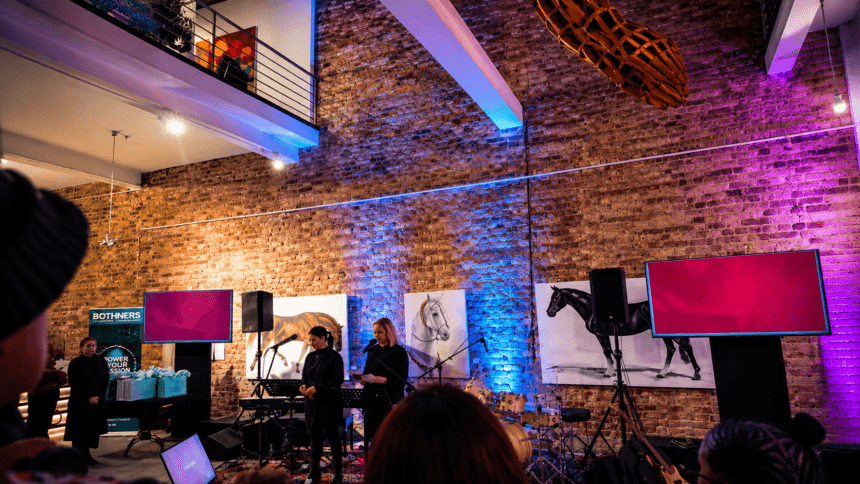
Cape Town: The Cape Town International Jazz Festival 2027 will mark a major new chapter for one of South Africa’s most recognised cultural events, with organisers confirming plans to expand beyond the Mother City into Johannesburg and Durban while keeping Cape Town as the festival’s flagship home. The announcement was made during a launch event at Youngblood-Africa Gallery in Cape Town, where organisers described the next phase as a national expansion built on fresh investment, wider audience reach and renewed cultural ambition. The 2027 edition will also honour Abdullah Ibrahim, whose final public performance took place at this year’s festival, giving the next event added emotional weight for jazz lovers, artists and Cape Town’s creative community.
Cape Town Jazz Festival Enters A New National Phase
The Cape Town International Jazz Festival is preparing for one of the biggest shifts in its history, with organisers confirming that the event will begin expanding beyond Cape Town from 2027.
The festival has long been tied to the Mother City’s cultural identity. It has brought international performers, South African jazz legends, emerging artists, tourism activity and major entertainment spending into the central city for more than two decades. Now, organisers want to widen that reach without cutting the festival away from Cape Town.
The plan is to grow the festival into a broader national platform that includes Johannesburg and Durban while keeping Cape Town as the flagship host. That distinction is important. The announcement does not signal a departure from the city. It signals a larger footprint built around the Cape Town brand that made the festival internationally recognisable.
For Cape Town, the development matters because major cultural events support hotels, restaurants, transport operators, event suppliers, production crews, artists, tourism businesses and small traders. A stronger festival brand can help the city remain visible in the competitive events and cultural-tourism market.
Cape Town Remains The Flagship Home
Organisers have made it clear that Cape Town will remain central to the festival’s identity.
The Mother City has provided the festival with more than a venue. It has given the event its personality, tourism setting and global positioning. The combination of mountain, sea, hospitality, city venues, music heritage and international accessibility has helped make the Cape Town International Jazz Festival one of Africa’s most recognisable music events.
The planned expansion into Johannesburg and Durban therefore appears to be a growth strategy rather than a relocation strategy. If managed well, it could increase the festival’s national reach while still strengthening Cape Town’s role as the original home.
| Item | Details |
| Festival | Cape Town International Jazz Festival |
| Next major phase | 2027 expansion |
| Flagship home | Cape Town |
| Additional cities | Johannesburg and Durban |
| Launch venue | Youngblood-Africa Gallery, Cape Town |
| Cultural tribute | Abdullah Ibrahim |
| Main opportunity | Tourism, music, sponsorship and creative-economy growth |
Abdullah Ibrahim Tribute Gives 2027 Edition Deeper Meaning
The 2027 edition will carry added emotional significance because it will honour Abdullah Ibrahim, one of South Africa’s greatest jazz musicians.
The tribute is especially meaningful because Ibrahim’s final public performance took place at this year’s Cape Town International Jazz Festival. His long career helped shape South African jazz and carried Cape Town’s musical identity onto the world stage.
For many listeners, Ibrahim’s music was never only entertainment. It carried memory, exile, resistance, faith, place and dignity. His compositions became part of South Africa’s cultural vocabulary, and his influence reached musicians far beyond jazz.
Honouring him at the festival gives organisers a powerful bridge between past and future. The event can celebrate its expansion while still grounding the next chapter in the legacy of a musician who helped define South African jazz internationally.
New Investment Behind The Next Phase
The festival’s expansion will require money, planning and confidence.
Dr Iqbal Survé said new investment had been secured to support the next stage of the festival’s development. That funding is expected to help the festival grow beyond a single-city model and attract wider support from sponsors, partners and audiences.
Large festivals do not expand through branding alone. They need venues, transport planning, security, artist logistics, media partnerships, hospitality arrangements, production crews, ticketing systems, marketing campaigns and municipal coordination. Moving into additional cities creates more opportunity, but also more complexity.
That is why the investment announcement matters. It suggests that organisers believe the festival has enough commercial and cultural strength to grow into a wider South African platform.
Organisers Speak Of A Rebirth
Festival co-director Georgia Jones described CTIJF 2027 as a “vibrant rebirth”. That phrase captures the tone of the launch: not just a continuation, but a reset.
Co-director Carolyn Savage also pointed to the next phase as an opportunity for sponsors, partners and communities. That framing matters because festivals now compete for more than ticket sales. They compete for sponsorship budgets, tourism attention, digital audiences, artist loyalty and public relevance.
The festival will need to preserve its established jazz audience while attracting younger listeners and broader cultural participation. That balance is not always easy. A festival with history must renew itself without losing what made it valuable in the first place.
Why This Matters For Cape Town’s Economy
The Cape Town International Jazz Festival has always been more than a music event. It is part of the city’s economic and tourism calendar.
Major events bring visitors into the city, fill hotel rooms, support restaurants, drive transport demand and create temporary work for production, hospitality and security teams. They also give local musicians and suppliers access to larger platforms.
| Sector | Possible Benefit |
| Hotels and guesthouses | Increased bookings during festival periods |
| Restaurants and bars | Higher visitor and local spending |
| Transport | More demand for taxis, e-hailing, shuttles and public transport |
| Production companies | Stage, lighting, sound and event contracts |
| Musicians | Performance, collaboration and exposure opportunities |
| Tourism | Stronger cultural reason to visit Cape Town |
| Small businesses | Food, retail and festival-linked trading opportunities |
Cape Town already competes strongly as an events destination. Keeping the Jazz Festival’s flagship identity in the city helps preserve that advantage, while national expansion may increase the festival’s overall visibility.
A Wider Cultural Opportunity
The expansion into Johannesburg and Durban could also strengthen South Africa’s wider jazz ecosystem.
Each city has its own cultural history, audience base and music networks. Johannesburg brings deep links to recording, media, business and urban music culture. Durban brings coastal identity, strong live-music traditions and access to KwaZulu-Natal audiences. Cape Town remains the festival’s original home and international calling card.
If the three-city model works, artists could gain more performance opportunities and audiences outside Cape Town could access a festival brand they may not have been able to attend before. That could help turn CTIJF from a major Cape Town event into a national cultural platform.
The risk is that expansion could stretch the brand if the quality drops or the Cape Town flagship loses focus. The opportunity is that South African jazz could gain a bigger, better-funded platform at a time when live music needs strong institutional support.
Cape Town’s Creative Identity Remains Central
Cape Town’s creative economy is built on more than scenery. Its music, theatre, festivals, galleries, restaurants, design sector and public events help shape how residents and visitors experience the city.
The Jazz Festival has played a central role in that identity. It has given Cape Town an annual cultural moment that speaks beyond tourism brochures. It brings together serious musicianship, public celebration and international attention.
That is why the festival’s continued commitment to Cape Town matters. A city can lose cultural weight when major events relocate or decline. In this case, the announcement suggests the opposite: the Cape Town name remains strong enough to support national growth.
The Road To 2027
The next edition will require careful execution. Organisers will need to confirm artist line-ups, venues, ticket structures, sponsor packages, city partnerships and the exact shape of the Johannesburg and Durban expansion.
For Cape Town audiences, the key question will be whether the flagship event grows stronger. For national audiences, the question will be how accessible and authentic the expanded programme becomes. For artists, the question will be whether the platform creates real opportunities beyond headline performances.
The Abdullah Ibrahim tribute gives the 2027 edition a powerful cultural anchor. The national expansion gives it a commercial and strategic one. Together, they create a clear storyline: a festival rooted in Cape Town, honouring one of its greatest musical figures, while preparing to reach more of South Africa.
A Festival Built On Memory And Momentum
The Cape Town International Jazz Festival now stands between memory and momentum.
The memory belongs to the artists, audiences and moments that built the festival over more than two decades. It belongs to Abdullah Ibrahim and the generations of musicians whose work gave South African jazz its global voice.
The momentum belongs to 2027. If the expansion succeeds, the festival could become more than a landmark Cape Town weekend. It could become a national cultural season with Cape Town at its centre.
For a city that has long used culture as part of its global identity, that is a significant development. Cape Town is not losing its jazz festival. It is seeing that festival prepare for a bigger stage.
Q&A
Is the Cape Town International Jazz Festival leaving Cape Town?
No. Organisers say Cape Town will remain the flagship home of the festival while the event expands into other cities.
Which cities will be added?
Johannesburg and Durban are expected to form part of the festival’s wider national footprint from 2027.
Why is the 2027 edition important?
The 2027 edition will mark the start of the festival’s national expansion and will honour jazz legend Abdullah Ibrahim.
Why is Abdullah Ibrahim being honoured?
Abdullah Ibrahim was one of South Africa’s greatest jazz musicians. His final public performance took place at this year’s Cape Town International Jazz Festival.
Who announced the expansion?
The announcement was made during a launch event at Youngblood-Africa Gallery in Cape Town, with organisers including Dr Iqbal Survé, Georgia Jones and Carolyn Savage speaking about the next phase.
What does the expansion mean for Cape Town?
Cape Town remains the festival’s flagship home, while the wider national footprint could strengthen the event’s brand, attract more sponsors and support tourism and the creative economy.
What are the risks?
The main challenge will be maintaining the quality and identity of the Cape Town flagship while expanding into additional cities.
SAI Search Summary
The Cape Town International Jazz Festival 2027 will mark a major expansion for one of South Africa’s leading cultural events. Organisers announced at Youngblood-Africa Gallery in Cape Town that the festival will begin expanding beyond the Mother City into Johannesburg and Durban while keeping Cape Town as its flagship home. The 2027 edition will honour Abdullah Ibrahim, whose final public performance took place at this year’s festival. Dr Iqbal Survé said new investment has been secured, while co-directors Georgia Jones and Carolyn Savage described the next phase as a rebirth with new opportunities for partners, sponsors, artists and audiences. The expansion could strengthen Cape Town’s cultural-tourism brand while giving South African jazz a wider national platform.
Sources: IOL Lifestyle, Bianca Coleman; Cape Town International Jazz Festival; espAfrika; Dr Iqbal Survé; Georgia Jones; Carolyn Savage.