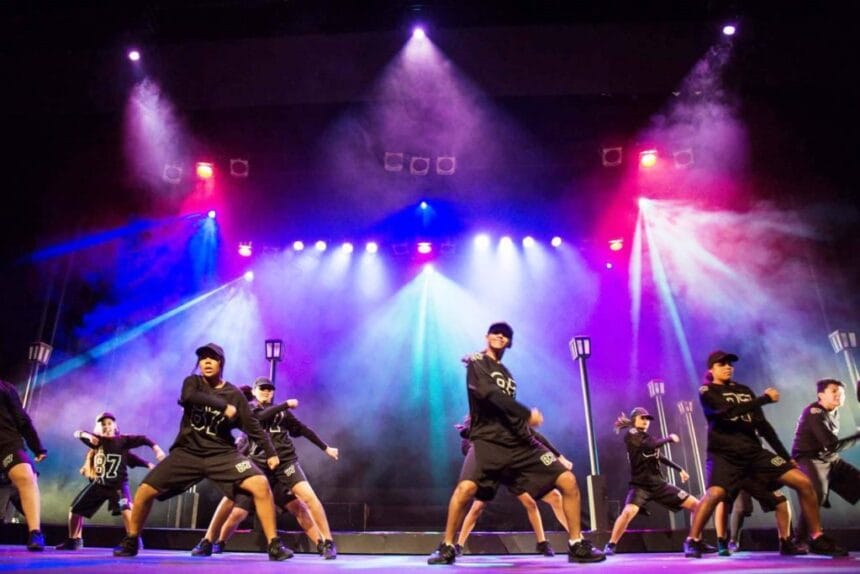
Cape Town: Street dancers, choreographers and crews from across the Mother City will take over the Artscape Theatre Centre this weekend as Cape Town’s Most Wanted returns for its 15th production.
Cape Town’s street-dance community will move from neighbourhood studios, rehearsal rooms and public spaces onto one of the city’s major theatre stages when Cape Town’s Most Wanted opens at Artscape on Thursday.
The annual production brings together leading street dancers, choreographers and dance crews from across Cape Town and beyond for a four-day programme celebrating the range, creativity and technical skill found within the city’s dance scene.
This year marks the 15th production of Cape Town’s Most Wanted, which has grown from a specialist street-dance event into an established part of Artscape’s performance calendar. The production gives audiences an opportunity to experience several styles, performers and creative approaches during one theatre programme.
Unlike a dance battle or formal competition, Cape Town’s Most Wanted is structured as a collaborative production. Organisers describe the event as a co-creation in which dancers and crews work together to represent the wider street-dance community rather than compete for rankings, prizes or judges’ scores.
That approach allows established performers, emerging dancers and choreographers to share the same platform while presenting the identity of Cape Town street dance as a collective movement.
Several Dance Styles Share One Stage
The programme includes multiple forms of street dance, including breaking, popping, locking, waacking and other contemporary urban styles. Each discipline brings a different movement language, musical influence and performance tradition to the stage.
Breaking combines athletic floor work, freezes, footwork and power moves. Popping uses sharp muscle contractions and controlled movement to create visual accents, while locking relies on expressive gestures, rapid transitions and deliberate pauses.
Waacking developed through club culture and is recognised for its fast arm movements, musical interpretation and dramatic performance quality. Cape Town’s dancers have also drawn from local styles and South African movement traditions, creating performances that reflect both international street-dance influences and the city’s own cultural identity.
By placing these forms within one production, Cape Town’s Most Wanted aims to show the variety within street dance rather than treating it as a single style.
The event also gives choreographers space to shape street movement for a theatre environment. Dance created for battles, cyphers, studios or public spaces must be adapted for stage lighting, audience sightlines, group formations and a longer performance structure.
This balance between raw street-dance energy and professional theatre presentation has become a defining part of the production.
A Platform For Cape Town’s Dance Community
Artscape says the show provides a platform for audiences to see some of Cape Town’s strongest dancers and dance crews during one performance.
For performers, appearing at Artscape offers exposure beyond their usual dance networks. Families, theatre audiences, other artists and members of the public who may not attend street-dance competitions can experience the work in a formal performance venue.
The production also creates connections between dancers from different parts of Cape Town. Crews that normally train and perform separately share rehearsal time, stage space and technical resources, allowing new working relationships to develop.
Cape Town has a large but often decentralised street-dance scene. Training takes place in schools, community halls, studios, youth centres and informal spaces across the metro. Many dancers develop through local crews and peer-led training rather than conventional performing-arts institutions.
A major production such as Cape Town’s Most Wanted brings parts of that community together and gives the work greater public visibility.
The event’s longevity is also significant. Reaching a 15th production shows that there is continuing audience and performer support for a showcase focused specifically on Cape Town street dance.
Performances Run Through The Weekend
Cape Town’s Most Wanted runs from Thursday to Sunday at the Artscape Theatre Centre on the Foreshore.
Evening performances begin at 19:30, while matinee shows on Saturday and Sunday begin at 15:00. The full programme lasts about two hours, including a 30-minute interval.
Tickets cost R150. Children under the age of three are not permitted inside the theatre.
Wheelchair-accessible seating is available, but patrons who need assistance are encouraged to contact Artscape Dial-a-Seat before attending. Artscape can also help patrons arrange suitable seating and access.
The Artscape Theatre Centre is located in DF Malan Street on the Foreshore. Secure paid parking is available in the Cape Town Civic Centre basement, with access through the Jan Smuts Street entrance.
The parking fee is R45 and payments must be made by debit or credit card. Artscape advises patrons to arrive before the performance begins because the entrance gate closes shortly after the scheduled starting time.
Street Dance Claims Its Place In The Theatre
Street dance has historically developed outside traditional theatre structures, often emerging from clubs, neighbourhood gatherings, battles and youth communities. Productions such as Cape Town’s Most Wanted show how those forms can move into large professional venues without losing the energy and identity that shaped them.
That shift also challenges older divisions between so-called formal and informal performance. Street dancers require high levels of discipline, musical understanding, physical conditioning and technical control, even when their training paths differ from classical or contemporary dance institutions.
Presenting the work at Artscape places street dance alongside other recognised performance disciplines and gives local artists access to professional lighting, sound, staging and theatre audiences.
The production remains focused on entertainment, but it also reflects the role dance plays in building confidence, identity and community among young Capetonians.
For audiences, the event offers a concentrated view of a dance culture that is active across the city throughout the year but is not always visible on major stages.
Cape Town’s Most Wanted opens on Thursday and continues until Sunday.
Q&A
What is Cape Town’s Most Wanted?
Cape Town’s Most Wanted is an annual street-dance showcase bringing dancers, choreographers and dance crews together at Artscape.
Is Cape Town’s Most Wanted a competition?
No. The production is presented as a co-creation rather than a competition, with different crews and dancers working together.
When does the show take place?
The production runs from Thursday to Sunday, with evening performances and weekend matinees.
What time do performances start?
Evening performances begin at 19:30. Saturday and Sunday matinees begin at 15:00.
How much do tickets cost?
Tickets cost R150.
Where is the event being held?
The production is being staged at the Artscape Theatre Centre in DF Malan Street on the Cape Town Foreshore.
Is wheelchair seating available?
Yes. Wheelchair seating is available and can be arranged through Artscape Dial-a-Seat.
Are young children permitted?
Children under the age of three are not permitted inside the theatre.
SAI Search Summary
Cape Town’s Most Wanted returns to the Artscape Theatre Centre for its 15th production, bringing together street dancers, choreographers and dance crews from across Cape Town and beyond. The four-day showcase includes several street-dance styles and is presented as a collaborative production rather than a competition. Performances run from Thursday to Sunday, with evening shows beginning at 19:30 and weekend matinees at 15:00. Tickets cost R150. The event provides local dancers with a major professional stage while giving audiences an opportunity to experience the range and creativity of Cape Town’s street-dance community.
Source: Artscape Theatre Centre – Staff Reporter; What’s On In Cape Town – Staff Reporter