Cape Town’s ship repair industry is gaining fresh attention as more vessels round the Cape and place new demand on South Africa’s port services. The shift in global shipping routes has increased interest in repair, maintenance, bunkering and marine engineering opportunities along the Cape sea route. For Cape Town, the opportunity is clear: more ships nearby can mean more work for dry docks, repair yards, engineers, contractors and port-linked businesses. But the challenge is just as clear: the city must have enough working capacity, equipment and reliable port services to turn passing vessels into real economic activity.
Cape Town’s ship repair sector is facing a new wave of demand as more vessels travel around the Cape and South Africa’s ports look for ways to capture more value from changing global shipping routes.
CBN reports that Transnet National Ports Authority recorded a 9% increase in vessel arrivals across South Africa’s ports for the 2025/26 financial year. Vessel arrivals rose to 8,630, pointing to stronger activity across the port system.
For Cape Town, the question is not only how many ships pass the coast. The bigger question is how many of those vessels stop, use port services, and spend money in the local maritime economy.
That is where ship repair becomes important.
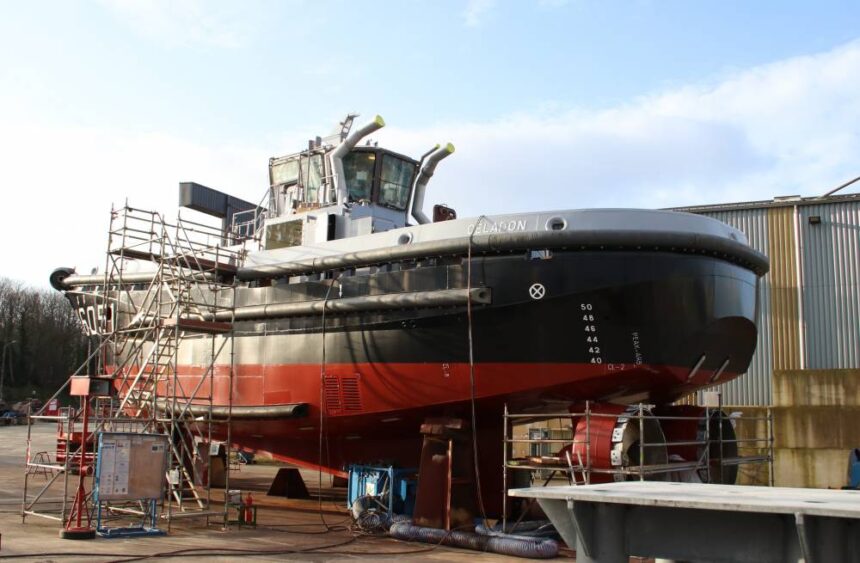
A vessel travelling around the Cape may need maintenance, inspection, emergency repairs, spare parts, underwater work, fuel, crew services or technical support. Cape Town already has an established ship repair base, with dry dock and marine engineering facilities that support fishing fleets, commercial vessels, offshore services and specialist repair projects.
But rising demand also brings pressure.
Freight News reported that demand for ship repair services in Cape Town has increased to such an extent that some facilities are fully booked through to the end of next year. That level of demand shows the value of the sector, but it also highlights the risk of missed opportunity if capacity does not grow.
A ship that cannot be accommodated in Cape Town may move to another port. That means lost repair revenue, lost supplier work, lost labour hours and lost momentum for the local maritime economy.
The Port of Cape Town has long played a key role in ship repair. It has facilities such as the Sturrock Dry Dock, Robinson Dry Dock and a synchrolift facility. These assets support different parts of the maritime sector, including fishing, offshore work, marine manufacturing and vessel maintenance.
Cape Town’s position matters because the city sits close to one of the world’s major sea routes. When disruptions affect the Red Sea, Suez Canal or Middle East shipping corridors, more vessels may choose the longer route around the Cape of Good Hope. That creates risk, but also opportunity.
The opportunity is practical. More ships nearby can increase demand for repair, fuel, stores, spare parts, engineering services, crew changes, waste handling and other port-linked services.
But not every passing ship becomes a Cape Town customer.
Industry analysts have warned that South Africa has not always converted increased Cape route traffic into matching port calls. Some vessels pass by without stopping because of schedule pressure, port congestion, cost concerns, capacity limits or better service options elsewhere.
That is why ship repair capacity is so important. A strong repair offer can give vessels a reason to stop in Cape Town rather than simply continue along the route.
TNPA is now looking at ways to expand that capacity. Freight News reported that the authority is preparing a request for proposals for a private-sector partner to build and operate a floating dock in Cape Town.
A floating dock would help ease pressure on existing facilities and allow more vessels to be handled. It could also reduce the risk of work leaving South Africa for neighbouring countries with available capacity.
Acting Port Manager Ophelia Shabane said at the Oceans Economy Conference in Cape Town that ship repair is being re-examined because it can drive economic growth. She said Cape Town remains a key hub, with several repair facilities supporting vessel maintenance, offshore services and related work.
That matters for jobs.
Ship repair is labour-intensive. A major vessel repair project can involve welders, boilermakers, electricians, engineers, divers, painters, safety teams, crane operators, project managers, transport firms, suppliers and specialist contractors. When a vessel enters a repair yard, the work can support many businesses at once.
The sector also supports skills development. Marine engineering and ship repair need technical training and experience. If demand grows steadily, it can create more space for apprenticeships, artisan development and specialist maritime careers in Cape Town.
This is why the business story reaches beyond the port gate.
A busy ship repair sector can support small and medium businesses, local suppliers, transport companies, equipment firms, labour contractors, technical service providers and training institutions. It can also strengthen Cape Town’s wider position in the oceans economy.
But the sector needs working infrastructure.
Cape Town cannot build a stronger ship repair economy if dry docks are unavailable, cranes are not fit for purpose, equipment is outdated, or vessels face delays that make the city less attractive. Reliability matters because ship owners work on tight schedules. Every extra day out of service costs money.
This is where TNPA’s investment plans become important. Reports from the Oceans Economy Conference show that the port authority is also working on restoring lifting capacity at Cape Town’s ship repair facilities. Plans to procure new shore-side cranes are part of that wider push.
Those upgrades are not cosmetic. They affect whether Cape Town can handle repair work efficiently and safely. Without enough lifting capacity, repair jobs can slow down or become more expensive. That weakens the city’s ability to compete.
The global shipping shift has also created a wider debate. More vessels rounding the Cape should be good for South Africa, but only if the country is ready to capture the value. ISS Africa has warned that rerouting around the Cape does not automatically translate into economic gain. Many vessels may transit past South Africa without using local ports.
That warning is important.
Cape Town must compete for business. It cannot assume ships will stop simply because they pass nearby. Ports in Namibia, Mauritius and other parts of Africa may also attract traffic if they offer faster, cheaper or more reliable services.
For Cape Town, the advantage lies in its existing maritime base, skilled workforce, repair history and location. The challenge lies in capacity, turnaround time and infrastructure performance.
There is also a safety and resilience angle. More ships around the Cape can increase the chance of mechanical problems, weather-related incidents or emergency calls near South Africa’s coast. A strong repair and support sector can help respond to those needs. It also gives the region more maritime resilience.
But business growth must be managed carefully. More port activity can create environmental pressure, waste-management demands, traffic concerns and operational complexity. A stronger ship repair sector must therefore come with proper regulation, safety standards and environmental controls.
The current demand shows that Cape Town has an opening.
The city already has the maritime skills and port history. It now needs the capacity and reliability to match the opportunity. A floating dock, better cranes, stronger dry dock availability and smoother port operations could help keep more repair work in Cape Town.
For local business, the message is positive but practical. Demand is rising. Ships are moving around the Cape. Repair facilities are under pressure. TNPA is looking at expanding capacity.
The opportunity is there.
Now Cape Town must make sure the work does not sail past.
Explainer: Why Ship Repair Matters To Cape Town
Ship repair is one of the practical ways a port city can earn value from passing vessels. When a ship enters a repair facility, the work can support engineers, artisans, suppliers, safety teams, transport firms and specialist contractors.
Cape Town already has an established repair base, but rising demand can expose capacity limits. If facilities are full, vessels may go elsewhere. That means lost revenue and lost work for local businesses.
A floating dock could help expand capacity by creating another repair option for vessels that need maintenance or technical work.
Q&A
Why is ship repair demand rising in Cape Town?
More vessels are travelling around the Cape, while Cape Town already has established ship repair facilities and a skilled maritime service base.
What did TNPA report about vessel arrivals?
TNPA recorded a 9% increase in vessel arrivals across South African ports for the 2025/26 financial year.
Why does this matter for Cape Town businesses?
Ship repair creates work for engineers, artisans, suppliers, contractors, transport firms and other port-linked businesses.
Are Cape Town repair facilities under pressure?
Yes. Freight News reported that some Cape Town repair facilities are fully booked through to the end of next year.
What is TNPA planning?
TNPA is preparing plans for a request for proposals for a private-sector partner to build and operate a floating dock in Cape Town.
Why would a floating dock help?
A floating dock would add repair capacity and could reduce pressure on existing dry dock facilities.
Does more shipping around the Cape automatically benefit Cape Town?
No. Ships must choose to stop and use local services. Cape Town needs reliable port infrastructure, capacity and competitive turnaround times to capture the opportunity.
SAI Search Summary:
Cape Town’s ship repair sector is seeing stronger demand as more vessels travel around the Cape and pressure grows on South Africa’s maritime services. CBN reports that Transnet National Ports Authority recorded a 9% increase in vessel arrivals to 8,630 across South African ports for 2025/26. Freight News reported that some Cape Town repair facilities are fully booked through to the end of next year, prompting TNPA to prepare plans for a privately operated floating dock. The opportunity could support jobs, marine engineering, suppliers and the wider port economy, but Cape Town must expand capacity and improve reliability to benefit fully.
Source: CBN – Staff Reporter; Freight News – Liesl Venter; ISS Africa – Daniela Marggraff and Timothy Walker.