The Western Cape Government is facing a major recovery bill after preliminary assessments placed recent storm-related disaster damage at more than R9 billion. Premier Alan Winde chaired a Special Cabinet meeting to consider the scale and cost of the severe weather systems that hit the province, damaging infrastructure, disrupting communities and adding pressure to public finances. The assessment now places disaster recovery, road repairs, housing damage, agriculture losses and municipal support at the centre of the province’s next major challenge.
The Western Cape Government has placed recent storm damage under Cabinet-level review after preliminary assessments showed the cost of the disaster running into billions of rand.
Premier Alan Winde chaired a Special Cabinet meeting to consider the scale and cost of the severe weather systems that affected the province in May. The meeting focused on the impact of consecutive weather events that damaged infrastructure, disrupted daily life and placed pressure on provincial and municipal services.
EWN reported that the preliminary damage assessment has placed the cost at more than R9 billion. That figure gives the disaster a serious public finance and infrastructure angle, especially as the province now has to move from emergency response to recovery, rebuilding and long-term repair work.
The Western Cape Government said the severe weather systems affected the entire province. The storms came in a short period and caused loss of life, damage to infrastructure and major disruption in affected communities.
That makes this more than a weather story.
It is now a governance story. It is a budget story. It is a road and infrastructure story. It is also a service-delivery story for towns and communities still dealing with damaged roads, public buildings, housing, farms and local infrastructure.
The Special Cabinet meeting is important because it shows that the province is moving into the next stage of the disaster response. In the first days after severe weather, emergency teams focus on saving lives, restoring access, clearing roads and supporting affected communities. After that, government must count the damage, decide what can be repaired first, and work out who pays.
That is where the difficult work begins.
A damage figure above R9 billion is large enough to affect planning across several departments. Roads, schools, health facilities, human settlements, agriculture and municipal infrastructure can all be affected by severe weather. When several districts are hit close together, the financial pressure grows quickly.
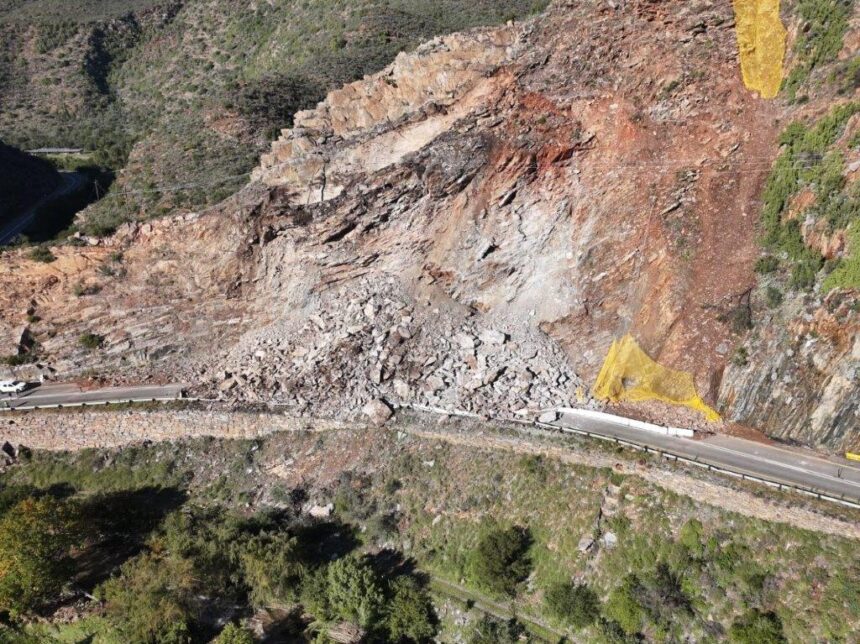
The Western Cape has already dealt with storm-related road closures, flood damage and infrastructure concerns in recent weeks. Provincial road closure updates have continued to show affected routes in several districts, including the Cape Winelands, Overberg, West Coast, Central Karoo and Garden Route.
For Capetonians, the most visible impact may be road delays, damaged routes and public warnings after heavy rain. But for smaller towns and rural communities, the impact can be more direct. A damaged bridge can cut off access. A washed-out road can affect school transport, farm deliveries and emergency services. Flood damage can leave families needing temporary support. Agricultural losses can affect income, jobs and food supply chains.
That is why the preliminary cost assessment matters.
It gives government a starting point for recovery decisions. It also gives the public a clearer picture of how serious the damage is. A disaster cannot be managed properly if the cost is vague or hidden. Once the figure is known, provincial departments, municipalities and national government can begin deciding what support is needed.
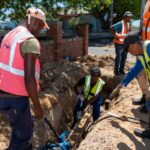
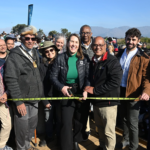
Premier Winde and members of the provincial government have already conducted oversight visits to storm-hit areas. Those visits focused on damaged infrastructure, essential services and the work being done by disaster management officials, law enforcement, volunteers and municipal teams.
The Cabinet meeting now brings those assessments into a formal decision-making space.
The province will need to look at several questions.
Which repairs are urgent?
Which roads or public facilities carry the highest risk if they are not fixed quickly?
Which communities need continued support?
Which municipalities do not have enough money or capacity to recover alone?
What can be funded from existing budgets?
What needs national disaster funding?
How will the province protect critical infrastructure before the next major weather system?
These questions matter because disasters do not end when the rain stops. Recovery can take months or even years, especially where infrastructure is badly damaged.
The Western Cape Government has also said that disaster response requires coordination across departments and municipalities. That is critical because severe weather does not follow administrative boundaries. A storm may damage a provincial road, a municipal stormwater system, a private home, a farm road and a school in the same area. Each one may fall under a different authority or funding stream.
That can slow recovery unless government coordination is strong.
The R9 billion estimate also raises the issue of climate resilience. The Western Cape has faced repeated severe weather events in recent years, including heavy rain, flooding, strong winds and damage to roads and public infrastructure. Each event adds costs, and each recovery process raises the same question: is the province building back stronger, or only repairing what broke?
Repairing damage is necessary. But if roads, drainage systems, bridges and public facilities are restored to the same vulnerable condition, the next storm can cause the same damage again. That is why infrastructure resilience must form part of the recovery debate.
For communities, the immediate need is practical. People want roads reopened, services restored, damaged buildings repaired and support delivered to those who lost homes, goods or income.
For government, the challenge is to balance urgency with proper spending control. Disaster funding can move quickly, but it must still be accounted for. The public will expect transparency around where money goes, which contracts are awarded, how repairs are prioritised and whether affected communities are receiving help.
That accountability is important because large disaster costs can create room for waste if oversight is weak. The Western Cape Government will need to show clear reporting on the recovery process, especially if national funding or emergency procurement becomes part of the response.
The agricultural sector is also likely to remain a major concern. Storms can damage crops, fences, irrigation systems, farm roads and export-linked production. Even where farms recover physically, lost income can affect workers, suppliers and rural towns. If the damage assessment includes agriculture losses, that will widen the economic impact beyond public infrastructure.
Businesses in affected areas may also face pressure. Damaged roads can slow deliveries. Flooding can affect stock and premises. Tourism routes can lose visitors if access is poor. Transport delays can increase costs.
That means the storm damage bill is not only about government repairs. It is about the wider Western Cape economy.
The province now has to manage three tasks at once: continue immediate support where needed, plan repairs across affected districts, and protect future budgets from being swallowed by repeated disaster recovery.
The Special Cabinet meeting is the first formal signal that the damage bill has reached a level that requires top-level provincial coordination.
The number is serious. More than R9 billion is not a routine repair estimate. It points to a disaster with wide reach and long-term consequences.
For now, the provincial government has confirmed that Cabinet has received the preliminary assessment. The next step will be watched closely: how the province prioritises repairs, what funding is requested, and how quickly damaged infrastructure can be restored.
The storms may have passed, but the recovery bill is now landing on government’s desk.
Explainer: Why A Preliminary Disaster Cost Matters
A preliminary disaster cost gives government an early estimate of the damage caused by severe weather. It helps departments and municipalities plan repairs, request funding and decide which areas need urgent support.
The figure can change as more assessments are completed. Early estimates often grow or shift once engineers, municipalities, farmers and public works teams complete detailed reports.
In this case, the estimate matters because it is already above R9 billion. That suggests the storms caused wide damage across infrastructure, communities and economic sectors.
Q&A
What did the Western Cape Cabinet discuss?
The Cabinet received a preliminary assessment of the cost and impact of recent severe weather disasters across the province.
How much is the damage estimated to cost?
EWN reported that the preliminary assessment places the damage at more than R9 billion.
Who chaired the Special Cabinet meeting?
Premier Alan Winde chaired the Special Western Cape Government Cabinet meeting.
Why is this important for the province?
The damage affects public finances, infrastructure repairs, municipal support, roads, communities and economic recovery.
Can the damage figure still change?
Yes. Preliminary assessments can change as more detailed reports are completed by departments, municipalities and technical teams.
What happens next?
The province must prioritise repairs, coordinate with municipalities, assess funding needs and continue support for affected communities.
SAI Search Summary:
The Western Cape Government Cabinet has received a preliminary assessment of recent weather-related disaster costs after severe storms affected the province in May. Premier Alan Winde chaired a Special Cabinet meeting to consider the scale and cost of the damage. EWN reported that the preliminary assessment placed the storm damage bill at more than R9 billion. The Western Cape Government said the severe weather systems caused loss of life, damaged infrastructure and disrupted communities across affected areas. The next phase will focus on recovery planning, infrastructure repairs, municipal support and funding decisions.
Source: Western Cape Government; EWN – Staff Reporter.