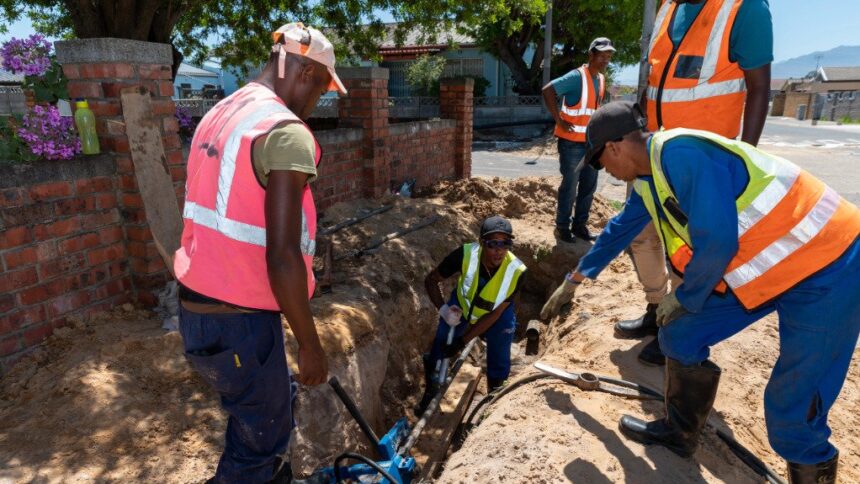
Milnerton’s ageing sewer network is set for a major upgrade as the City of Cape Town prepares to spend more than R12 million rehabilitating 5.3 km of sewer pipelines. The work, expected to run from 27 June 2026 to March 2027, places sanitation infrastructure, public health and long-term service reliability back in focus for Capetonians. The project falls under the City’s Water and Sanitation Directorate, led by Councillor Zahid Badroodien, Mayoral Committee Member for Water and Sanitation, and comes at a time when Milnerton’s sewer and water-quality concerns remain closely watched by communities and environmental groups.
The City of Cape Town will invest more than R12 million to rehabilitate 5.3 km of ageing sewer pipelines in Milnerton.
The project will be managed by the City’s Water and Sanitation Directorate, with construction expected to run from 27 June 2026 to March 2027. The work falls under the water and sanitation portfolio led by Councillor Zahid Badroodien, Mayoral Committee Member for Water and Sanitation.
For Milnerton, this is not just another maintenance job. It is a service-delivery project in an area where sewer infrastructure, water quality and environmental pressure have been part of public concern for several years.
The City says the rehabilitation work is aimed at strengthening the local sewer network and reducing the risk of pipe failures, leaks and service disruptions. Ageing sewer lines can become a serious problem when they start to fail. They can cause overflows, road-level spills, bad odours, public health risks and environmental damage.
That is why planned rehabilitation matters.
When sewer pipes are repaired before they collapse, the City can manage the work in a more controlled way. It can plan construction zones, warn affected communities, manage traffic and reduce the chance of emergency failures. Emergency repairs are often more disruptive and more expensive, especially when they happen in busy residential or commercial areas.
Milnerton’s sewer system carries extra public attention because of its connection to the wider environmental picture in the area. The Diep River catchment and Milnerton Lagoon have been at the centre of long-running concerns around pollution, sewage spills and water quality. Sewer rehabilitation will not solve every environmental issue on its own, but stronger pipelines can reduce one major risk in the system.
The project also speaks to a wider Cape Town challenge. Much of the city’s underground infrastructure has carried growing pressure for years. Population growth, urban development, changing weather patterns, illegal dumping, blockages and ageing pipes all place stress on water and sanitation systems.
Capetonians often only notice sewer infrastructure when something goes wrong. A working sewer system is hidden below the road. It moves waste away from homes, businesses, schools and public buildings without people thinking about it. But when that system fails, the problem becomes immediate.
A sewer overflow can affect homes, pavements, roads, public open spaces and nearby waterways. It can also damage public trust in service delivery. That is why projects like this are important, even when they do not always attract the same attention as new housing, roads or public buildings.
The City has been putting more focus on water and sanitation infrastructure across Cape Town. That includes pipe replacement, sewer rehabilitation, wastewater treatment upgrades, pump station improvements and work to reduce sewer overflows. The Milnerton project forms part of that broader effort to keep basic service systems working as the city grows.
For people living or working in Milnerton, the short-term impact may include construction activity, noise, work crews, access changes and possible traffic management near affected sections. The City will need to communicate clearly with Capetonians in the area before work begins and while the project is under way.
That communication will be important because infrastructure work often tests public patience. People want reliable services, but they also want to know how long construction will last, whether access to homes or businesses will be affected, and who to contact if problems arise.
The long-term goal is stronger service reliability.
If the work is completed properly, the rehabilitated pipelines should lower the risk of future failures along the upgraded sections. That can reduce emergency callouts, limit disruption and protect public spaces from sewer-related incidents.
The project also matters for development. Milnerton remains an important part of Cape Town’s urban and economic landscape. It includes residential areas, commercial activity, transport links and environmentally sensitive spaces. Reliable sanitation infrastructure supports property values, business confidence and public health.
Without working sewer systems, development becomes harder. New homes, offices, shops and public facilities all depend on existing infrastructure having enough capacity and reliability. When pipes are old or weak, the risk of failure grows as demand increases.
The City’s investment therefore has a practical service-delivery purpose and a longer-term planning purpose.
It also fits into Cape Town’s broader infrastructure spending direction. The City has argued that infrastructure investment is central to growth, resilience and better services. Water and sanitation projects are a major part of that because they affect daily life in a direct way.
Still, the public will judge the project by delivery, not by the announcement.
Capetonians will want the work to start on time, finish within the planned period and reduce sewer problems in the affected area. They will also want the City to keep them informed if construction affects movement, access or local services.
The environmental side will also remain important. Milnerton communities and environmental groups have watched sewer-related issues closely because of the impact on local waterways. A successful rehabilitation project can help reduce infrastructure-related risks, but ongoing monitoring, maintenance and wider catchment management will still be needed.
Sewer systems can fail for several reasons. Old pipes are one problem. Blockages are another. Illegal dumping into the sewer system can also cause serious damage. Fat, oil, rags, building materials, nappies and other unsuitable items can block pipes and increase the chance of overflows.
That means public behaviour also matters. The City can rehabilitate pipes, but sewer networks still need proper use and regular maintenance to function well.
For now, the Milnerton project gives the City a chance to show visible progress in an area where basic service reliability and environmental protection are closely linked.
The planned R12 million investment will not fix every sewer or water-quality problem in Cape Town. But it is a clear step in one important part of the network.
For Milnerton, 5.3 km of rehabilitated sewer pipeline could mean fewer failures, fewer disruptions and stronger protection for the public spaces and waterways that make the area so important.
Q&A
Why is the City doing sewer rehabilitation work in Milnerton?
The City says the work is needed to rehabilitate ageing sewer pipelines and improve long-term sanitation reliability in the area.
How much will the project cost?
The City will invest more than R12 million in the Milnerton sewer rehabilitation project.
How much pipeline will be rehabilitated?
The project covers 5.3 km of ageing sewer pipelines.
When will construction take place?
Construction is expected to run from 27 June 2026 to March 2027.
Which City department is responsible?
The work falls under the City of Cape Town’s Water and Sanitation Directorate.
Which Mayco member is linked to the project?
Councillor Zahid Badroodien, Mayoral Committee Member for Water and Sanitation, is linked to the project through the City’s water and sanitation portfolio.
Why does this matter for Milnerton?
Reliable sewer infrastructure reduces the risk of overflows, leaks, service disruptions and environmental harm in an area where water-quality concerns have received strong public attention.
SAI Search Summary:
The City of Cape Town will invest more than R12 million to rehabilitate 5.3 km of ageing sewer pipelines in Milnerton. Construction is expected to run from 27 June 2026 to March 2027. The work will be managed by the City’s Water and Sanitation Directorate and falls under the portfolio of Councillor Zahid Badroodien, Mayoral Committee Member for Water and Sanitation. The project is aimed at improving sewer reliability, reducing pipe failures and supporting better sanitation infrastructure in an area linked to wider public concern around Milnerton’s waterways and environmental health.
Source: City of Cape Town, Water and Sanitation Directorate; Councillor Zahid Badroodien, Mayoral Committee Member for Water and Sanitation.