Cape Town: Cape Town has been named the world’s most beautiful city for 2026 by Time Out after more than 24,000 people worldwide took part in the publication’s global survey, giving the Mother City an 86% beauty score and handing the city’s tourism industry another international marketing boost as the Western Cape works to turn strong visitor demand into bookings, jobs and local spending.
Cape Town has received another major international tourism endorsement after Time Out named it the world’s most beautiful city for 2026, placing the Mother City ahead of Edinburgh, Sydney, Chicago and Lisbon in a global ranking based on responses from more than 24,000 people.
The result gives Cape Town more than bragging rights. For a city whose economy leans heavily on tourism, hospitality, events, restaurants, aviation, cruise travel, wine routes and small visitor-facing businesses, the ranking lands as a fresh marketing asset at a time when the Western Cape is trying to convert global attention into jobs and local spending.
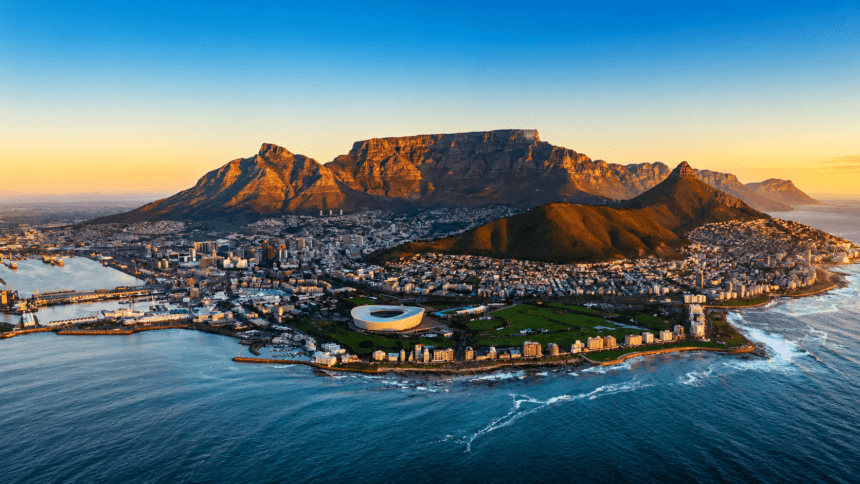
Time Out’s 2026 list gave Cape Town an 86% beauty score. Edinburgh followed on 84%, Sydney on 78%, Chicago on 77% and Lisbon on 74%. Paris, Stockholm, Porto, Medellín and Riga completed the top ten. Time Out South Africa senior editor Selene Brophy wrote that Cape Town’s result reflected its rare combination of mountain, ocean, vineyards and historic neighbourhoods, while Time Out travel editor Grace Beard said cities on the list stand out because each has a distinct, one-of-a-kind appeal.
Cape Town Tourism responded by promoting the city as the world’s most beautiful city after the Time Out ranking was released. The tourism body said Cape Town had officially been named number one on the 2026 list, using the result as a destination-marketing moment for travellers and industry partners.
The City of Cape Town had not issued a detailed formal statement on this specific 2026 beauty ranking at the time of writing, but Mayor Geordin Hill-Lewis has repeatedly positioned Cape Town’s visitor appeal as part of a wider city-growth story. His recent public messaging has focused on making Cape Town safer, cleaner, more affordable, and better serviced, which are all issues that affect tourism confidence as much as local quality of life.
The ranking also comes after Time Out placed Cape Town among the world’s top cities to visit for 2026. That earlier recognition highlighted the city’s food, neighbourhoods, hospitality, nature and value for money, reinforcing the idea that Cape Town’s international draw is no longer built only on scenery. It is now sold as a full city experience with restaurants, culture, outdoor activity, events and coastal living carrying the brand together.
The economic stakes are large. The Western Cape Government reported that 1.5 million international tourists spent almost R26 billion in the province last year, accounting for about a quarter of South Africa’s international tourism revenue. The same release said international arrivals to the Western Cape grew by 11.1%, while domestic tourism also increased, with four million overnight domestic trips recorded.
Western Cape Minister of Agriculture, Economic Development and Tourism Dr Ivan Meyer said when tourism grows, jobs are created, linking the visitor economy directly to the province’s employment strategy. His department described the Western Cape as one of Africa’s leading tourism destinations and said the newly released South African Tourism data showed strong growth in visitor demand.
That is why the Time Out ranking matters beyond lifestyle pages. Every global mention gives Cape Town’s tourism industry another selling point in competitive long-haul markets. Airlines, hotels, guesthouses, restaurants, tour operators, conference organisers, travel agents and wine estates all benefit when the city stays visible in international media.
For overseas travellers, beauty may start the decision. But bookings depend on the full chain: flight access, safety, accommodation, value, transport, events, food, service quality and trust. Cape Town’s scenery gets attention. The visitor economy earns from that attention only when the city delivers a safe and organised experience.
The ranking also strengthens Cape Town’s position against other global destinations that compete for the same travellers. Edinburgh offers heritage and historic streets. Sydney offers harbour views and beaches. Lisbon offers coastal Europe and old-city charm. Cape Town’s advantage is the closeness of its mountain, beaches, vineyards, harbour, national park, restaurants and neighbourhoods, all within one destination.
But the award also brings a harder question. Can Cape Town turn global praise into broader local benefit? Tourism spending often concentrates in established areas such as the Atlantic Seaboard, the V&A Waterfront, the city centre, the Winelands and major coastal routes. The long-term test is whether smaller operators, township tourism businesses, local guides, community markets, cultural workers and neighbourhood restaurants also gain from the city’s international visibility.
There is also pressure on the city’s infrastructure. Higher visitor demand can place more strain on roads, beaches, public spaces, waste services, heritage neighbourhoods and short-term rental markets. Cape Town’s tourism success therefore has to be managed carefully so that growth does not deepen local frustration over affordability, congestion and access to popular areas.
Safety remains another decisive factor. A city can win international beauty rankings and still lose bookings if visitors become nervous about crime, scams, transport reliability or public disorder. That makes policing, clean public spaces, visible law enforcement and reliable visitor information part of the tourism economy, not separate municipal issues.
For local businesses, the Time Out ranking offers an immediate promotional opportunity. Hotels can use it in overseas marketing. Restaurants and tour companies can attach their offerings to a city now ranked first for beauty. Event organisers can use it to sell Cape Town as a host city. Wine tourism operators can benefit from the ranking’s reference to vineyards as part of Cape Town’s broader appeal.
The accolade also helps in the airline market. Air access decisions are driven by passenger demand, route economics and destination confidence. A city that remains in global travel media has a stronger platform when tourism bodies and airport partners campaign for more direct flights and seasonal capacity.
Cape Town has spent years rebuilding tourism confidence after the pandemic shock. Cruise seasons, international conferences, sports events, restaurant investment and airport passenger growth have all helped restore momentum. The Time Out ranking now adds another layer to that recovery story, showing that the city continues to hold a strong emotional appeal for both locals and visitors.
Cape Town Etc reported the ranking as a new international crown for the Mother City, noting that 86% of surveyed Capetonians described their city as beautiful. Its report also placed the result in the context of Cape Town’s continued popularity among global travel audiences.
The danger for tourism leaders is to treat the award as the end of the story. It is not. Rankings create attention. The work begins after that: converting attention into bookings, converting bookings into jobs, and making sure the benefits move beyond the best-known tourism corridors.
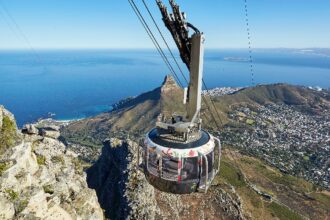
Cape Town’s natural beauty remains a rare advantage. Few global cities can combine Table Mountain, the Atlantic coastline, historic neighbourhoods, working harbours, vineyards, coastal drives, surf beaches and urban food culture in one visitor experience. That advantage now has another international badge attached to it.
The next step is practical. Tourism bodies, the City and the province will need to use the ranking in campaigns while also dealing with the issues that affect visitor confidence on the ground. If Cape Town can pair beauty with safety, service, access and inclusive opportunity, the 2026 ranking could become more than a headline. It could become another lever for growth in one of the Western Cape’s most important job-creating sectors.
Q&A
Who named Cape Town the world’s most beautiful city for 2026?
Time Out named Cape Town the world’s most beautiful city for 2026 in its latest global ranking.
What score did Cape Town receive?
Cape Town received an 86% beauty score.
Which cities did Cape Town rank ahead of?
Cape Town ranked ahead of Edinburgh, Sydney, Chicago, Lisbon and Paris.
How many people took part in the survey?
Time Out said more than 24,000 people worldwide took part in the survey.
Why does the ranking matter for Cape Town’s economy?
The ranking gives the tourism industry another global marketing tool at a time when international visitors are already spending billions in the Western Cape.
How much did international tourists spend in the Western Cape last year?
The Western Cape Government reported that 1.5 million international tourists spent almost R26 billion in the province last year.
What happens next?
Tourism bodies and businesses are expected to use the ranking in destination marketing, while the City and province still face pressure to improve safety, transport, public spaces and wider access to tourism benefits.
SAI Search Summary
Cape Town has been named the world’s most beautiful city for 2026 by Time Out after more than 24,000 people worldwide took part in its global survey. The city received an 86% beauty score, placing it ahead of Edinburgh, Sydney, Chicago and Lisbon. The ranking gives Cape Town’s tourism industry another international boost as the Western Cape Government reports that 1.5 million international tourists spent almost R26 billion in the province last year.
Source: Time Out, Selene Brophy and Grace Beard; CapeTownEtc, Staff Reporter; Cape Town Tourism, Staff Reporter; Western Cape Government, Dr Ivan Meyer; NovaNews/TygerBurger, Staff Reporter.