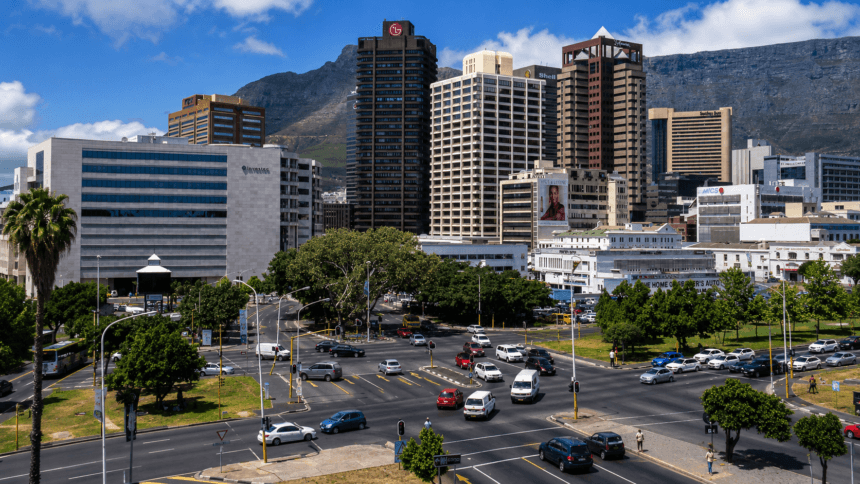
Cape Town: The City of Cape Town enters a busy municipal week as the Cape Town City Council meets today while officials continue planned water supply maintenance, assess how provincial disaster recovery funding could affect damaged city infrastructure, and push forward an affordable housing pipeline aimed at unlocking well-located land for lower-income and working families.
City Council Opens Monday Meeting With Key Decisions Ahead
The Cape Town City Council meets today at 10:00, placing City Hall at the centre of the metro’s political and service delivery agenda for the day. The meeting is expected to deal with municipal business affecting infrastructure, services, planning, finance and governance across Cape Town.
Council sittings matter because they are where the City’s political leadership turns policy positions into formal decisions. Items approved in council can shape budgets, land releases, development approvals, service delivery programmes and public consultation processes. For Capetonians, the impact is often practical rather than political: roads repaired or delayed, housing projects moved forward or held back, water systems upgraded, tariffs debated, and municipal oversight placed on record.
The City has confirmed that the meeting will be available through its digital platforms. That public access is important because council meetings are one of the few spaces where residents can directly observe how elected representatives debate city-wide matters. The sitting also gives opposition parties an opportunity to challenge the DA-led administration, ask whether delivery targets are being met, and place concerns from their wards before the public.
Cape Town News will monitor the outcome of the meeting and update readers once formal decisions are confirmed. At the time of writing, the strongest city-wide issues already before the public include water supply maintenance, storm recovery planning, infrastructure funding pressures and affordable housing delivery.
Why Today’s Council Sitting Matters
Today’s Council meeting takes place against a wider background of pressure on Cape Town’s infrastructure. The city is dealing with ageing water systems, rapid population growth, housing demand, climate-related storm damage and the continuing need to expand services in growing communities.
The real issue is not whether council meets, but what decisions follow from the meeting. Municipal decisions made in council can take months or years to appear on the ground. A land release can become a housing development only after planning, consultation, procurement, development approval and construction. A water maintenance programme can reduce future pipe bursts only if work is properly scheduled, funded and communicated. A storm recovery programme can restore damaged infrastructure only if the City, Province and national government agree on funding responsibilities and repair priorities.
That is why today’s meeting should be watched closely. It is part of the machinery that determines whether Cape Town’s infrastructure keeps pace with demand.
Water Supply Maintenance Continues Across Cape Town
The City is continuing planned water supply maintenance in parts of Cape Town as its Water and Sanitation Directorate works on the network. These planned works can cause temporary disruptions, lower water pressure or short-term outages in affected areas, depending on the type of repair or upgrade.
The City has repeatedly urged Capetonians to treat planned maintenance notices seriously. Residents in affected suburbs are usually advised to store water in clean sealed containers before work starts, keep taps closed while supply is interrupted, and check official City channels for updates.
Planned maintenance can be disruptive, but it is also part of the City’s wider effort to manage an ageing and heavily used water network. Cape Town’s water system must serve established suburbs, new developments, informal settlements, industrial areas and fast-growing communities. When valves, pipes, meters and pressure systems are not maintained, small faults can become larger bursts, leaks or unplanned outages.
The City’s public notices also help protect residents from confusion. When Capetonians know that work is planned, they can separate scheduled maintenance from emergency failures. That becomes especially important for households, schools, clinics, small businesses and care facilities that rely on steady water supply.
Water Work Is A Service Delivery Test
Water maintenance is not only an engineering matter. It is also a public trust issue.
Residents generally accept short-term disruption when they receive proper notice, clear timeframes and honest updates. Frustration grows when interruptions last longer than expected, when water tankers are not available where needed, or when communication is unclear.
This is where the City must keep improving. A planned maintenance programme works best when the public can easily see which areas are affected, why the work is needed, when supply should return, and who to contact if problems continue after the scheduled window.
Opposition parties and ward councillors are likely to keep pressing the administration on whether maintenance is evenly spread across the metro, whether poorer communities receive the same urgency as wealthier suburbs, and whether long-term replacement programmes are moving quickly enough.
Disaster Recovery Could Shape City Infrastructure Plans
Cape Town’s municipal infrastructure is also tied to the wider Western Cape disaster recovery process following severe storms that damaged roads, bridges, farms, public facilities and service networks across the province.
Premier Alan Winde has already warned that the province must secure additional disaster recovery funding because the damage bill exceeds current provincial affordability levels. Although that is a provincial funding issue, the city impact is direct. Stormwater systems, roads, culverts, bridges, coastal infrastructure and public facilities inside the metro can all be affected by severe weather and recovery funding decisions.
For Cape Town, the question is how storm recovery money will be prioritised and how quickly damaged infrastructure can be restored. If national funding is delayed or limited, the City and Province may face difficult choices over which repairs move first and which projects wait.
The City’s own capital budget already includes large infrastructure projects across water, sanitation, roads, electricity, waste, housing and public facilities. Storm damage can disturb those plans by forcing urgent repair work into a budget that was already allocated before the disaster.
Infrastructure Pressure Is Now A Climate Risk Story
The storm recovery issue also shows why Cape Town’s infrastructure planning can no longer be separated from climate resilience.
Heavy rain can expose weak points in road drainage, stormwater channels, low-lying settlements, retaining structures and ageing underground networks. When these systems fail, the damage is not only physical. People can lose access to schools, clinics, work, public transport and emergency services.
City budget records show major infrastructure commitments across several sectors, including housing developments, public transport facilities, sanitation upgrades, water pipelines, canals and coastal protection work. These projects are not isolated line items. They form part of the system that keeps the metro functioning.
If storm recovery funding is not secured quickly, the City may have to balance emergency repairs against planned upgrades. That would create political and practical pressure, especially in communities already waiting for improved services.
Affordable Housing Pipeline Remains Under Pressure
Cape Town’s affordable housing pipeline remains one of the most important long-term city issues. The City has been pushing the release and development of well-located public land for affordable and mixed-use housing, including inner-city and transport-linked sites.
Recent City housing material shows continued movement on land release and development planning, including Mayco approval for an inner-city parking lot to be used for affordable housing and mixed-use development. City records also refer to a wider pipeline of human settlements projects across the metro, including large projects in areas such as Pelican Park, Hanover Park, Retreat, Sheffield Road, Aloe Ridge and Nooiensfontein.
The core challenge is simple but difficult: Cape Town needs more affordable homes close to work, transport, schools and public services. The longer lower-income families are pushed to the edges of the metro, the more they spend on transport and the harder it becomes to access economic opportunity.
The City has argued that well-located affordable housing is a central part of building a more inclusive Cape Town. Housing activists, however, have often criticised the pace of delivery, arguing that public land must be released faster and that inner-city projects must produce real affordability, not only market-linked development with limited accessible units.
Housing Delivery Will Face Scrutiny From All Sides
Affordable housing is one of the areas where the City faces pressure from several directions at once.
Residents waiting for housing want speed. Housing activists want public land used for social and affordable housing rather than private-led development that excludes the poor. Ratepayer groups often raise questions about density, traffic, parking and local services. Developers want policy certainty. Opposition parties are likely to question whether the City is moving fast enough and whether its projects reach the people most in need.
That makes the affordable housing pipeline a political test as much as a planning process.
The City will need to show not only that land is being released, but that projects are moving from announcement to construction and from construction to occupation. For readers, that distinction matters. A housing pipeline is not the same as completed homes. The public needs to know which projects are approved, which are under consultation, which are under construction, and which have delivered units.
Opposition And Public Accountability
Cape Town News checked for a direct public opposition response specifically addressing today’s Council sitting together with the current water, storm recovery and housing developments. No single formal opposition statement covering all four issues was found at the time of publication.
That does not mean the City faces no scrutiny. These issues sit directly inside areas where opposition parties, civic bodies and community organisations regularly raise concerns.
On water, the likely accountability questions are whether maintenance is communicated clearly, whether outages are kept within promised timeframes, and whether vulnerable areas receive fair support.
On disaster recovery, the key questions are whether damaged infrastructure will be repaired quickly, whether poorer communities will receive equal priority, and whether emergency spending will remain transparent.
On housing, the most important questions are whether public land is being released fast enough, whether affordability is real, and whether developments will be located close to jobs and transport.
Cape Town News will update this report if opposition parties, civic organisations or housing advocacy groups issue formal statements on today’s municipal developments.
Public Information Table
| City Issue | What Is Happening | Why It Matters |
| Cape Town City Council | Council meets today at 10:00 via digital platforms | Decisions can affect budgets, services, land, planning and infrastructure |
| Water maintenance | Planned water supply maintenance continues in affected areas | Short-term disruptions are linked to long-term network reliability |
| Disaster recovery | Storm damage has increased pressure on infrastructure funding | Repairs may affect roads, stormwater systems, bridges and public facilities |
| Affordable housing | City housing pipeline and land release processes continue | Delivery affects access to jobs, transport and economic opportunity |
| Public accountability | Opposition and civic responses must be tracked | Residents need scrutiny of spending, delivery timelines and priorities |
Important Contacts For Capetonians
| Service Need | Contact Or Channel |
| City Call Centre | 0860 103 089 |
| Emergencies From A Landline | 107 |
| Emergencies From A Cellphone | 021 480 7700 |
| Report Water Faults | City of Cape Town service channels or City app |
| Track Planned Water Maintenance | City of Cape Town official website and alerts |
| Council Meeting Access | City of Cape Town digital platforms and YouTube channel |
| Service Requests | City app, e-services or C3 notification system |
| Housing Queries | City housing offices and official City housing channels |
What Happens Next
The first thing to watch is the outcome of today’s Council meeting. Once decisions are confirmed, Cape Town News will separate routine administrative items from decisions that carry real public impact.
The second is the City’s water maintenance schedule. Affected residents should monitor official updates and report unresolved supply problems once scheduled work is complete.
The third is disaster recovery funding. The province is seeking additional money, but the practical question for the metro is which city infrastructure repairs are prioritised and how quickly they move.
The fourth is the housing pipeline. The key test will be whether land release announcements become completed affordable homes within realistic timeframes.
Why This Story Matters
This story matters because Cape Town’s biggest city issues are now connected. Council decisions, water maintenance, storm recovery and affordable housing all point to one central question: can the City keep infrastructure and services moving fast enough for a growing metro?
For Capetonians, these are not abstract municipal matters. They affect whether taps work, whether roads and stormwater systems recover after severe weather, whether families can live closer to work, and whether elected councillors make decisions in public view.
Cape Town News will continue tracking these city issues as one connected municipal story, because the strength of the city depends not on one announcement, but on whether government can deliver across several pressure points at the same time.
Q&A:
What is the main city story today?
The Cape Town City Council meets today while water maintenance, disaster recovery and affordable housing remain key municipal issues.
What time is the Council meeting?
The City announced that the Council meeting would take place at 10:00 via its digital platforms.
Why does the Council meeting matter?
Council decisions can affect municipal budgets, land use, infrastructure, service delivery and public oversight.
Is water supply maintenance continuing?
Yes. The City continues planned water supply maintenance in affected areas as part of its network reliability work.
Could storm recovery funding affect Cape Town?
Yes. Severe weather damage can affect municipal roads, stormwater systems, bridges, public facilities and infrastructure budgets.
What is happening with affordable housing?
The City continues to advance housing and land release processes, including inner-city and metro-wide affordable housing opportunities.
Did opposition parties respond?
Cape Town News did not find a single formal opposition statement covering today’s Council meeting, water maintenance, storm recovery and housing issues at the time of publication.
What should residents do if water supply does not return after planned work?
Residents should report unresolved faults through the City’s official service channels, app or call centre.
SAI Search Summary:
The Cape Town City Council meets today as the City of Cape Town deals with several major municipal issues, including planned water supply maintenance, disaster recovery pressure on infrastructure and the affordable housing pipeline. The Council sitting, scheduled for 10:00 via City digital platforms, could shape decisions on services, planning, budgets and infrastructure. The City continues planned water maintenance in affected areas to improve long-term network reliability. Storm recovery funding remains important because severe weather damage can affect roads, bridges, stormwater systems and public facilities inside the metro. The City is also continuing affordable housing and land release processes, including inner-city and metro-wide projects aimed at creating housing opportunities closer to jobs and transport. Cape Town News did not find a single formal opposition statement covering all four issues at publication time.
Sources: City of Cape Town official council notice; City of Cape Town planned water maintenance notices; City of Cape Town media releases on affordable housing and land release; City of Cape Town 2025/26 budget documents; Western Cape Government disaster recovery updates.