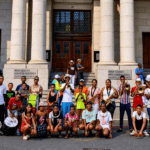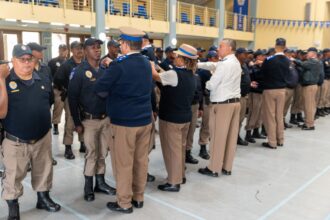
Cape Town: The City of Cape Town has moved the Zimbabwean voluntary repatriation process from the Zimbabwean Consulate in District Six to the Department of Home Affairs Repatriation Centre in Epping after large crowds gathered outside the consulate, with officials saying the Epping facility is now the only official site where Zimbabwean nationals seeking to return home will be processed before transport to the Beitbridge border post.
Editor’s Note:
This report updates Cape Town News’ earlier coverage, “Zimbabwean Families Stranded In Cape Town As Cold Front Adds Urgency To Repatriation Crisis,” published on the 28th of June. Read the original report here: https://ctnews.co.za/zimbabwean-families-stranded-in-cape-town-as-cold-front-adds-urgency-to-repatriation-crisis/
City Moves Repatriation Processing To Epping
The City of Cape Town has shifted the operational response to the growing Zimbabwean repatriation situation away from the Zimbabwean Consulate in District Six and toward the Department of Home Affairs Repatriation Centre in Epping.
The move marks a new phase in a story Cape Town News first reported as a humanitarian concern, with families gathered outside the consulate during cold and difficult weather conditions while waiting for clarity on voluntary return arrangements. The latest development shows the matter has now moved from an informal gathering outside a diplomatic building to an organised processing operation involving the City, national government and Zimbabwean officials.
According to the City, Zimbabwean nationals who had gathered outside the consulate were to be relocated to the Epping facility as part of the voluntary repatriation process. The City said the relocation was arranged in collaboration with the Department of Home Affairs and the Zimbabwean Consulate.
The City has also made clear that the consulate in District Six is no longer the place where repatriation requests will be processed. The Epping Repatriation Centre is now the official site for processing before people are transported to the Beitbridge border post.
That clarification matters because large crowds had already gathered in District Six. Without a clear official processing point, more people could have continued arriving at the consulate, increasing pressure on surrounding streets, nearby businesses, City services and humanitarian groups.
Why The District Six Gathering Became Urgent
The situation outside the Zimbabwean Consulate became urgent because it involved people waiting in public space, including families, while seeking help to return to Zimbabwe.
Cape Town News’ earlier report, “Zimbabwean Families Stranded In Cape Town As Cold Front Adds Urgency To Repatriation Crisis,” focused on the human impact of the gathering and the added pressure caused by cold weather. That context remains important because the latest City operation is not only a transport or crowd-management issue. It is also a humanitarian and public safety issue.
The gathering placed pressure on City services and raised questions about shelter, sanitation, safety, crowd control, access to official information and the ability of vulnerable people to wait in poor weather while administrative arrangements were still being clarified.
The Cape Argus reported that many Zimbabwean nationals said they were seeking to have their voluntary repatriation processed before a planned march on the 30th of June, citing concerns about possible tensions. The publication also stated that it had not independently verified the reasons given by those gathered.
Cape Town News is therefore treating those concerns carefully. The verified fact is that crowds gathered outside the consulate and that the City has now moved to facilitate relocation to Epping. The reasons cited by individuals in the crowd should be reported as claims made by those present, not as independently confirmed causes.
Epping Named As Sole Official Processing Site
The most important practical development is the designation of the Home Affairs Repatriation Centre in Epping as the only official processing site for Zimbabwean nationals seeking voluntary repatriation.
The City said people wishing to be repatriated should not report to the Zimbabwean Consulate, as requests will not be processed there. Instead, the Epping centre will handle the formal process before transport to Beitbridge.
This is a crucial public information point. If people continue travelling to the consulate, the District Six crowd could rebuild, creating the same problems the relocation is meant to solve. It could also leave people waiting in the wrong place, delaying their own processing and adding pressure to an area that is not equipped to manage large numbers of people.
The Epping site is being used because it is better suited to processing larger groups. It allows the operation to move away from a street-side gathering outside a consular building and into a controlled facility linked to the national department responsible for immigration and repatriation processes.
How The Repatriation Process Is Expected To Work
The City’s update indicates that the relocation is part of a voluntary repatriation process, not a deportation operation.
That distinction must be clear. Voluntary repatriation means people are seeking to return to their country of origin through an organised process. Deportation is a legal enforcement process carried out by the state. The verified City wording in this case is voluntary repatriation.
Once people are moved to the Epping Repatriation Centre, Home Affairs officials are expected to process those seeking to return to Zimbabwe. The City said the process will take place before transport to the Beitbridge border post, the major border crossing between South Africa and Zimbabwe.
The City’s role is not the same as Home Affairs’ role. Home Affairs carries responsibility for immigration processing. The Zimbabwean Consulate has a role in relation to Zimbabwean nationals and documentation. The City’s role is mainly operational support, public safety, traffic management, cleansing and coordination within the metro.
That division of responsibility is important because it helps readers understand who is accountable for which part of the operation.
City Services Deployed For Safety, Traffic And Cleansing
The City said its Safety and Security services would be on site to maintain public order and assist with the relocation. Traffic Services and Cleansing departments were also expected to manage access routes and waste in the area.
This is the kind of detail that shows the operation is not only administrative. Large crowd movements can affect public roads, local businesses, pedestrians, surrounding communities and emergency access. Traffic officers are needed to keep movement orderly, while cleansing teams are needed where large numbers of people have gathered for several days.
The City also urged residents and members of the public to avoid the immediate vicinity during the relocation. That public advisory is practical. It helps reduce congestion, limits unnecessary crowding and gives officials space to move people safely.
The City thanked humanitarian organisations that had assisted those gathered outside the consulate. That acknowledgement is significant because civil society groups often become the first line of support when vulnerable people gather before government systems are fully in place.
What Home Affairs And The Zimbabwean Consulate Must Clarify
The latest update answers one major question: where people must go for processing. It does not answer every question facing the families involved.
Home Affairs and the Zimbabwean Consulate still need to provide clear public information on documentation requirements, who qualifies for voluntary repatriation, how families with children will be processed, whether people without complete documents can still be assisted, and how long applicants may have to wait before transport to Beitbridge.
These details matter because many people gathered in District Six were not simply asking for directions. They were looking for a pathway home, and some may have been in uncertain legal, financial or family circumstances.
A full repatriation operation must also consider food, sanitation, medical needs, child safety, personal belongings, queue management and communication in languages people understand.
The City can manage the local environment, but the success of the process will depend heavily on Home Affairs and Zimbabwean officials providing fast, clear and consistent information.
Community And Opposition Response
Cape Town News checked for a clear formal response from opposition parties, migrant-rights organisations or civic bodies specifically addressing this latest relocation update. No single verified formal response covering the City’s latest move from District Six to Epping was found at the time of publication.
That does not mean the operation should escape scrutiny. Voluntary repatriation involving large numbers of people raises serious public-interest questions.
Community organisations may ask whether people are being treated humanely during relocation, whether families are being kept together, whether children and vulnerable people are receiving support, and whether people understand that the process is voluntary.
Opposition parties may question whether the City and national government acted quickly enough once the crowd began growing outside the consulate. They may also ask whether Home Affairs had sufficient capacity in place before the situation became visible in District Six.
Cape Town News will update this report if formal statements are issued by opposition parties, migrant-rights groups, humanitarian organisations, Home Affairs or the Zimbabwean Consulate.
How This Story Has Developed
This story has moved through several stages.
It began with Zimbabwean families gathering outside the Zimbabwean Consulate in District Six while seeking help with repatriation. Cape Town News reported on the humanitarian urgency of that situation on the 28th of June in its earlier article, “Zimbabwean Families Stranded In Cape Town As Cold Front Adds Urgency To Repatriation Crisis.”
The latest development is that the City has now announced a formal relocation and processing arrangement. Instead of people remaining outside the consulate, they are to be moved to the Home Affairs Repatriation Centre in Epping, where the voluntary repatriation process will be handled before transport to Beitbridge.
That makes this a proper follow-up, not a repeat of the earlier article. The story has changed because official action has now been taken.
Timeline Of Events
| Date Or Stage | Development |
| Earlier gathering | Zimbabwean nationals gathered outside the Zimbabwean Consulate in District Six |
| 28th of June | Cape Town News reported on stranded families and the cold front adding urgency |
| City update | The City announced relocation to the Home Affairs Repatriation Centre in Epping |
| Processing point | Epping was identified as the only official site for voluntary repatriation processing |
| Next stage | Applicants are expected to be processed before transport to Beitbridge |
Public Information Table
| Issue | Verified Information |
| Main development | City facilitating relocation from District Six to Epping |
| People affected | Zimbabwean nationals seeking voluntary repatriation |
| Original gathering point | Zimbabwean Consulate, District Six |
| Official processing point | Home Affairs Repatriation Centre, Epping |
| Processing authority | Department of Home Affairs |
| Diplomatic role | Zimbabwean Consulate involved in coordination |
| Transport destination | Beitbridge border post |
| City services involved | Safety and Security, Traffic Services and Cleansing |
| Emergency contact | City Public Emergency Communication Centre: 021 480 7700 |
What People Seeking Repatriation Need To Know
Zimbabwean nationals seeking voluntary repatriation should not report to the Zimbabwean Consulate in District Six for processing, according to the City’s latest update.
The official processing point is the Home Affairs Repatriation Centre in Epping. Requests for voluntary repatriation are expected to be processed there before transport to Beitbridge.
People should rely on official communication from Home Affairs, the City of Cape Town and the Zimbabwean Consulate. Unverified social media posts, rumours and informal instructions could send people to the wrong location or place them at risk.
Members of the public should avoid the immediate area during the relocation operation unless they are directly involved or assisting through recognised humanitarian structures.
What Happens Next
The first issue to watch is whether the relocation from District Six to Epping happens safely and without new overcrowding at either site.
The second is whether Home Affairs can process the number of people seeking voluntary repatriation quickly enough to prevent long delays at the Epping centre.
The third is whether transport to Beitbridge is confirmed, organised and communicated clearly to those being processed.
The fourth is whether humanitarian groups remain involved, especially where children, elderly people, people with medical needs or families without resources require support.
The fifth is whether City, national and Zimbabwean officials provide daily public updates. Without regular updates, uncertainty can spread and more people may gather at the wrong place.
Why This Story Matters
This story matters because it sits at the intersection of migration, humanitarian need, public order and government coordination.
For the families involved, this is not an administrative exercise. It is about returning home safely, with proper processing and clear information. For the City, it is about managing a large public gathering humanely while protecting access, safety and sanitation in District Six. For Home Affairs and the Zimbabwean Consulate, it is about ensuring that voluntary repatriation is processed lawfully, clearly and efficiently.
Cape Town News will continue treating this as a developing public-interest story. The key test now is whether the move to Epping gives families a clearer, safer and more organised route home than the uncertainty they faced outside the consulate.
Q&A:
What has changed since the earlier Cape Town News report?
The City has now announced that Zimbabwean nationals gathered outside the Zimbabwean Consulate in District Six will be relocated to the Home Affairs Repatriation Centre in Epping for voluntary repatriation processing.
Is this a deportation operation?
No. The verified wording from the City is voluntary repatriation. Cape Town News is not describing this as deportation.
Where must Zimbabwean nationals go for processing?
The City says the Home Affairs Repatriation Centre in Epping is the official processing site.
Can people still go to the Zimbabwean Consulate in District Six?
The City says requests for voluntary repatriation will not be processed at the consulate.
Where will people be transported after processing?
The City said processing at Epping will take place before transport to the Beitbridge border post.
Who is involved in the operation?
The City said the relocation is being done in collaboration with the Department of Home Affairs and the Zimbabwean Consulate. City Safety and Security, Traffic and Cleansing services are also involved.
Why were people gathered outside the consulate?
Large crowds gathered outside the Zimbabwean Consulate in recent days. Some people said they were seeking repatriation before a planned march, citing concerns about possible tensions, but those reasons were not independently verified by the original report.
Where can emergency assistance be requested?
The City’s Public Emergency Communication Centre can be contacted on 021 480 7700.
SAI Search Summary:
The City of Cape Town has announced that Zimbabwean nationals gathered outside the Zimbabwean Consulate in District Six will be relocated to the Department of Home Affairs Repatriation Centre in Epping for voluntary repatriation processing. The City said the relocation is being coordinated with Home Affairs and the Zimbabwean Consulate. The Epping centre has been identified as the only official processing site before transport to the Beitbridge border post. The City urged people seeking repatriation not to report to the consulate, as requests will not be processed there. City Safety and Security, Traffic Services and Cleansing are assisting with public order, access routes and waste management. This report updates Cape Town News’ earlier article, “Zimbabwean Families Stranded In Cape Town As Cold Front Adds Urgency To Repatriation Crisis,” published on the 28th of June.
Sources: Cape Argus/IOL; City of Cape Town statement as reported by IOL; Cape Town News previous report, “Zimbabwean Families Stranded In Cape Town As Cold Front Adds Urgency To Repatriation Crisis.”