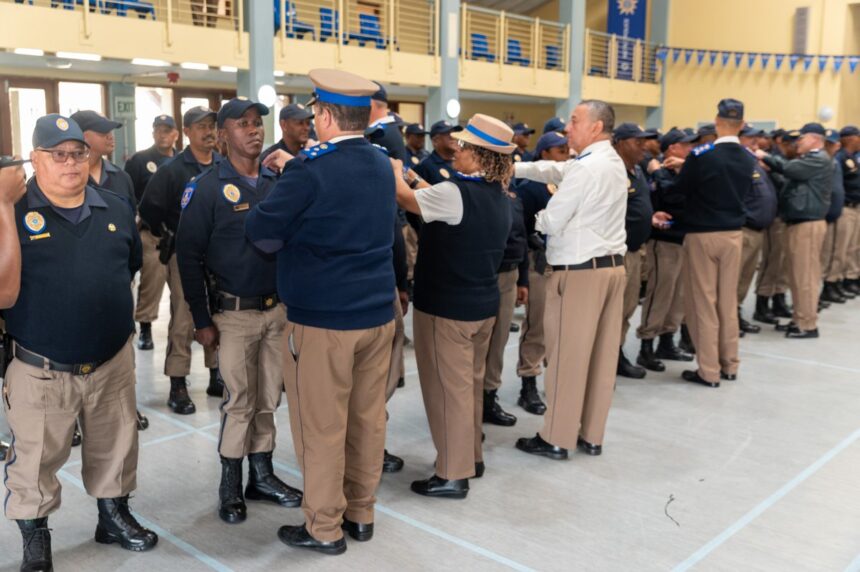
The City of Cape Town has promoted or appointed 191 experienced Metro Police officers to the ranks of sergeant and inspector, giving long-serving personnel greater leadership responsibilities while strengthening the department’s operational command structure.
Nearly 200 Officers Move Into Senior Roles
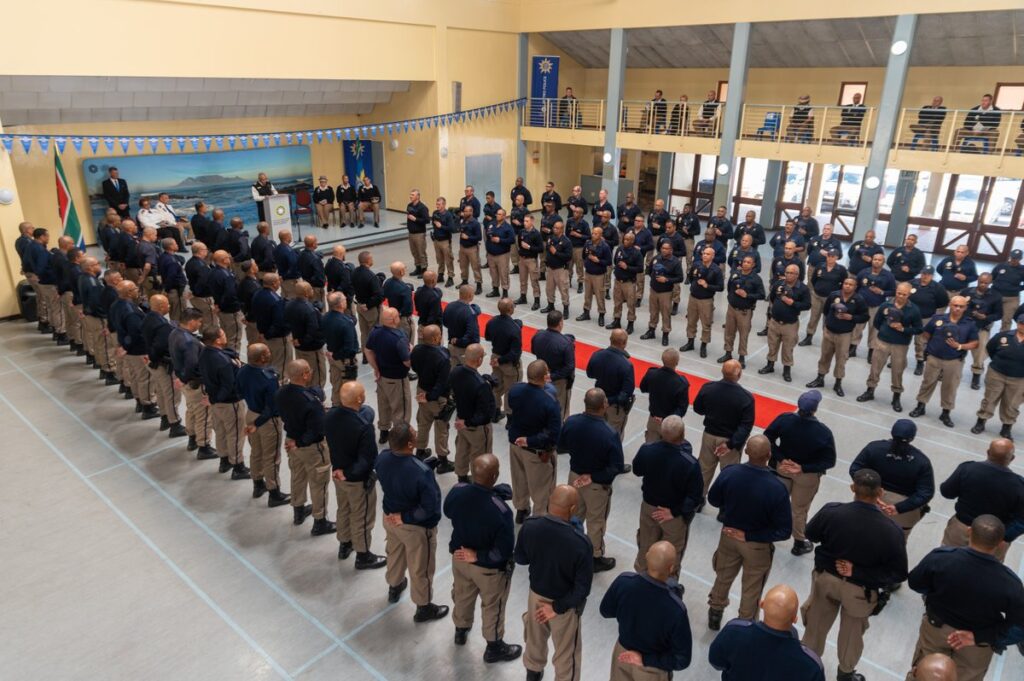
The City’s Metro Police Department has marked a major change in its leadership structure by promoting or appointing 191 staff members to higher ranks. Under the newly introduced career progression framework, 107 officers have taken on the rank of sergeant, while another 84 have moved into the newly established inspector rank.
The City says the changes are intended to strengthen middle management and create a clearer route for experienced officers to advance. Many of those promoted have spent years serving on Cape Town’s roads and in its communities, and their new roles will require them to supervise teams, coordinate operations, guide junior members and support stronger policing across the city.
New Inspector Rank Strengthens Command Structure
The introduction of the inspector rank is a central part of the department’s new progression framework. Experienced sergeants previously had fewer opportunities to move into an intermediate command position before reaching the more senior superintendent levels.
The inspector rank now fills that gap by creating another layer of leadership between frontline supervision and senior command. Inspectors will oversee personnel, coordinate operations, mentor less experienced officers and help ensure that operational instructions are carried out properly.
The City believes the rank will strengthen the department’s command structure and improve the management of daily deployments, traffic operations and larger joint enforcement actions. It also gives long-serving personnel a more visible and structured path towards senior leadership.
Sergeants Take On Frontline Supervision
The 107 officers promoted or appointed as sergeants will carry important frontline leadership duties. Sergeants often serve as the direct link between constables and senior management, supervising shifts, monitoring discipline, allocating duties and helping manage incidents as they unfold.
Their responsibilities can include checking that officers are properly briefed, ensuring that procedures are followed and escalating serious matters to higher command. A strong sergeant corps can therefore influence how effectively the department performs from one shift to the next.
The City expects the newly appointed sergeants to use their experience to guide teams and support junior officers working in difficult or high-pressure environments. Better supervision at this level can improve discipline, accountability and operational consistency.
JP Smith Praises Long-Serving Members
Mayoral Committee Member for Safety and Security Alderman JP Smith said the promotions carried particular meaning because many of the officers had demonstrated commitment over a long period. He said some of the promoted members had shown dedication, perseverance and loyalty for nearly two decades.
Smith described their advancement as deserved recognition of their experience, sacrifice and continued service to the public. His statement also highlighted the importance of retaining experienced officers and giving them opportunities to pass their knowledge to younger members.
When long-serving personnel leave without sharing that experience, the department loses years of practical knowledge gained through patrols, roadblocks, public-order incidents and community policing operations. Promoting experienced officers into supervisory roles allows that knowledge to remain inside the service and be transferred to newer recruits.
Career Progression Can Improve Staff Retention
A clear promotion structure is important in any policing organisation. Officers who spend years carrying out demanding frontline duties need to see that experience, training and performance can lead to advancement.
Without a meaningful career path, departments risk losing skilled personnel to other services or creating frustration among staff who feel their careers have stalled. The new framework gives qualifying Metro Police members a more structured route towards leadership while recognising officers who have already developed the skills needed to manage teams and operations.
Promotion alone cannot solve every morale or staffing problem, but it can help improve retention and encourage officers to invest in further training and professional development. It also gives members a better understanding of what experience and performance are required to move into higher ranks.
What Metro Police Officers Do
Cape Town’s Metro Police Department forms part of the City’s wider Safety and Security Directorate. Its officers are responsible for traffic enforcement, municipal by-law enforcement and crime-prevention duties across the metropolitan area.
They conduct roadblocks, vehicle checkpoints, patrols and targeted operations, often working alongside the City’s Traffic Service, Law Enforcement and the South African Police Service. Metro Police members may respond to reckless driving, illegal street racing, outstanding warrants, drunk driving and other road-related offences.
They can also become involved in incidents involving illegal firearms, drugs or wanted suspects when these are uncovered during lawful policing operations. Because the department works across traffic management, public safety and municipal enforcement, it needs supervisors who can coordinate different types of operations and make sound decisions under pressure.
Promotions Bring Greater Accountability
Higher rank brings recognition, but it also brings greater responsibility. Sergeants and inspectors will be expected to manage officers fairly, enforce discipline and ensure that operational decisions comply with the law and City policy.
They may also be required to assess performance, address misconduct and take responsibility for the conduct of teams under their supervision. Public confidence in policing depends partly on the quality of that leadership.
A well-managed team is more likely to follow procedure, treat members of the public properly and complete accurate records after incidents or arrests. Poor supervision can have the opposite effect, leading to weak accountability, inconsistent enforcement and avoidable complaints.
The City’s decision to strengthen its middle ranks therefore has significance beyond the personal advancement of the officers involved. It is also an attempt to improve the way the department functions in practice.
Experienced Officers Will Mentor Junior Members
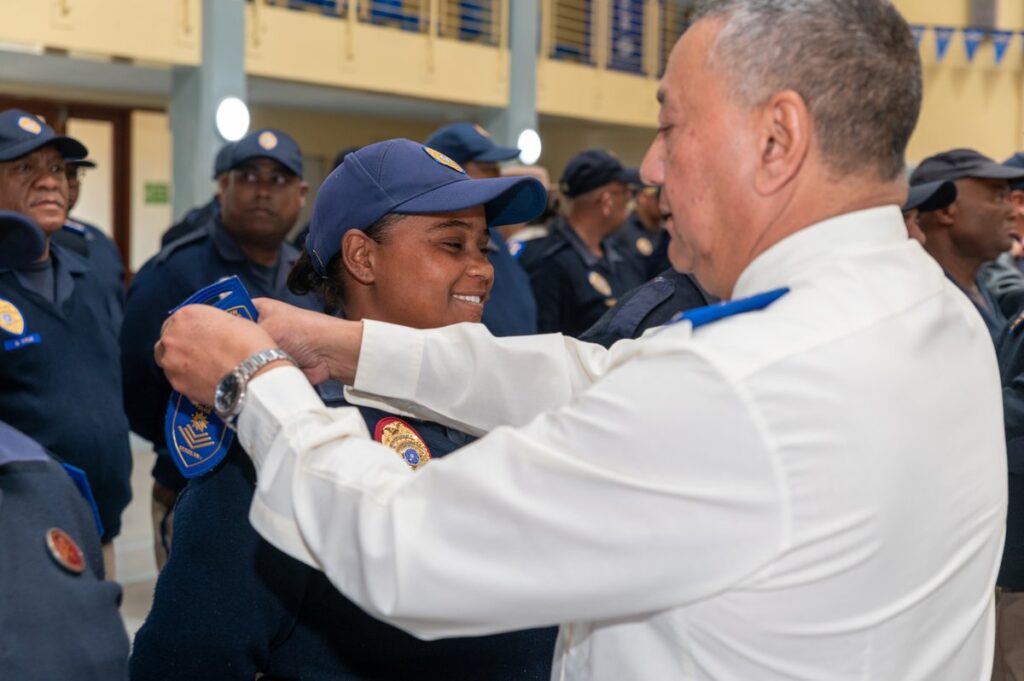
Mentoring will form a major part of the promoted officers’ new responsibilities. New recruits may complete formal training, but much of their professional development happens while working alongside experienced colleagues.
Senior officers can help younger members understand how to assess risk, communicate with the public and apply enforcement powers responsibly. They can also guide officers through difficult situations where judgement matters as much as technical knowledge.
This is particularly important during roadblocks, crowd-control operations, high-risk stops and joint deployments involving several enforcement agencies. The City expects the newly appointed sergeants and inspectors to transfer their experience to junior members and help build stronger, more disciplined teams.
Current Police Plan Reflects New Rank Structure
The City’s draft Annual Police Plan for 2026 and 2027 lists both sergeant and inspector positions within the Metro Police Department’s uniformed structure. The plan records 111 sergeant posts and 89 inspector posts, alongside constables, superintendents, senior superintendents and executive command positions.
Those figures relate to the department’s planned staffing structure and should not be treated as a separate promotion announcement. They do, however, show that the sergeant and inspector ranks form part of the City’s current approach to workforce planning and operational command.
The latest promotions therefore fit into a broader effort to strengthen the department’s supervisory levels and improve the way officers are managed across Cape Town.
Capetonians Will Judge The Results On The Street
For the public, the value of the promotions will ultimately be measured through policing performance. Capetonians are unlikely to judge the changes only by the number of badges awarded or the ranks created.
They will expect stronger supervision, better discipline and more effective operations. Traffic enforcement remains a major concern across the city, particularly around reckless driving, drunk driving, illegal racing and dangerous public-transport behaviour.
Communities also expect visible policing and a reliable response to by-law and safety complaints. The newly promoted officers will carry responsibility for helping their teams meet those expectations.
The City’s announcement recognises years of service, but it also raises the standard expected from the department’s new leadership layer.
A Milestone For The Department
The promotion of 191 officers represents one of the most substantial recent changes to the Metro Police Department’s command structure. It rewards experience while creating additional leadership capacity within the service.
The success of the framework will depend on how effectively the promoted members use their authority and whether the department gives them the support needed to manage teams properly.
The officers now move beyond their previous duties into positions where they will influence the performance, discipline and development of others. For the City, the promotion ceremony marks a milestone. For the officers involved, it marks the start of a more demanding phase of public service.
Explainer: What The New Ranks Mean
Sergeant
A sergeant provides direct supervision to frontline officers, allocates duties, monitors conduct and supports the management of incidents and shifts.
Inspector
An inspector holds a broader middle-management role, overseeing teams, coordinating operations and supporting the command structure between sergeants and senior officers.
Superintendent
A superintendent holds a more senior command position and may manage larger operational units, precinct functions or specialised responsibilities.
Why The Inspector Rank Matters
The rank gives experienced sergeants another career step and strengthens the department’s ability to manage operations between frontline and senior-command levels.
Q&As
How Many Metro Police Officers Were Promoted?
The City promoted or appointed 191 officers to the ranks of sergeant and inspector.
How Many Became Sergeants?
A total of 107 staff members took on the rank of sergeant.
How Many Became Inspectors?
A further 84 officers achieved the new inspector rank.
Why Did The City Introduce The Inspector Rank?
The rank was introduced to strengthen middle management, improve operational coordination and provide experienced sergeants with a further career opportunity.
What Will The Promoted Officers Do?
They will lead teams, supervise officers, coordinate operations, mentor junior members and support effective policing across Cape Town.
What Did JP Smith Say?
Smith said many promoted members had demonstrated dedication and commitment for nearly two decades and deserved recognition for their experience and public service.
SAI Search Summary
The City of Cape Town has promoted or appointed 191 Metro Police officers under a new career progression framework. A total of 107 officers advanced to sergeant, while 84 moved into the newly established inspector rank. The City says the changes will strengthen middle management, improve operational coordination and allow experienced personnel to mentor junior officers. Mayoral Committee Member for Safety and Security Alderman JP Smith said many of the promoted members had shown dedication and perseverance for nearly two decades. The promotions form part of the department’s effort to build a stronger command structure and clearer career path.
Source: Cape Town Etc, based on information supplied by the City of Cape Town.