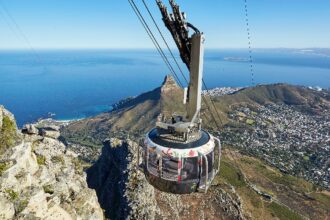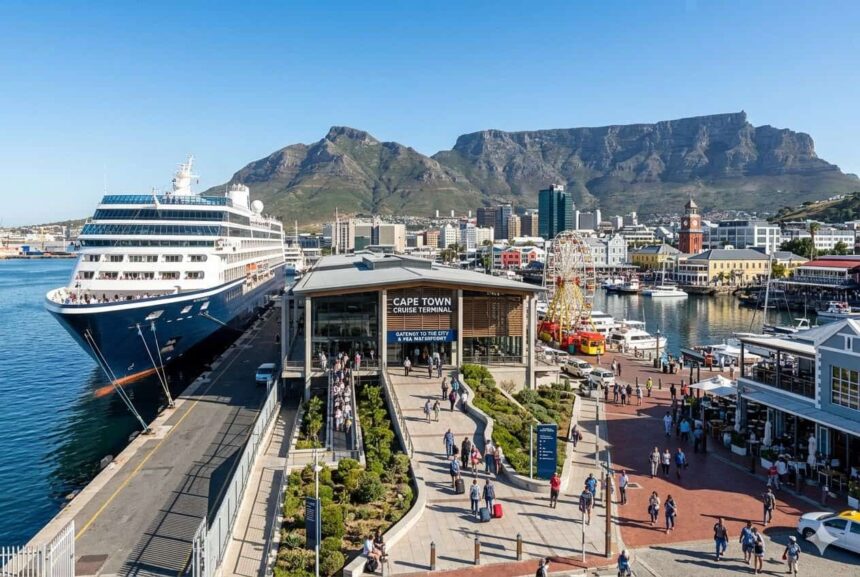
Cape Town’s grey skies, cold Atlantic winds and rain-soaked streets once marked the start of a predictable tourism slowdown. That pattern has not vanished, but official visitor figures, new domestic campaigns and stronger international connections suggest that the Mother City’s winter months are becoming a tourism season in their own right.
Cape Town’s Old Tourism Calendar Is Changing
Cape Town’s tourism industry has traditionally relied on a powerful summer surge.
From November through to March, beaches fill, hotels raise their rates and restaurants prepare for a flood of domestic and international visitors. When the first strong cold fronts arrive, the city usually becomes quieter.
That seasonal rhythm still exists, but its edges are becoming less defined.
Tourism authorities are now marketing Cape Town and the wider Western Cape as destinations that offer different experiences throughout the year. Winter is no longer being presented merely as the gap between two summer seasons.
The colder months bring their own attractions: green mountain slopes, winter food menus, indoor wine tastings, cultural events, whale watching and quieter visits to popular landmarks.
Visitors may not arrive for beach weather, but many are drawn by lower prices, smaller crowds and experiences that are difficult to enjoy during the festive rush.
The millions referred to in Cape Town’s annual tourism totals do not all arrive during winter. However, the increasing effort to spread those visitors more evenly across the year is changing how the industry views the traditional off-season.
Official Figures Show The Scale Of The Market
The Western Cape Government reported that approximately 1.5 million international tourists visited the province during 2025.
Those visitors spent about R25.9 billion, underlining the importance of tourism to accommodation providers, restaurants, transport businesses, attractions and local suppliers.
The province also recorded about four million domestic overnight trips during the same period. This represented an increase of 15.4%.
Domestic travellers spent an average of R3,172 per overnight trip, the highest provincial average recorded nationally.
Western Cape Minister of Agriculture, Economic Development and Tourism Dr Ivan Meyer said the figures showed tourism’s ability to support jobs, business activity and communities across the province.
The provincial government has linked tourism growth to its wider Growth for Jobs strategy. Its long-term ambition is to double tourism by 2035.
That target will be difficult to reach if the sector depends almost entirely on a few crowded summer months. Extending demand through winter is therefore an economic priority, not simply a marketing exercise.
Cape Town Promotes Travel At Any Time Of Year
Cape Town Tourism launched a domestic campaign with Travelstart during May.
The campaign uses local voices and personal experiences to show travellers what the city offers beyond its most familiar landmarks.
Its central message is that Cape Town rewards visitors throughout the year.
The approach moves away from presenting the city only through beaches, sunshine and postcard views. It highlights neighbourhoods, food, culture and experiences that remain available when the weather changes.
Cape Town Tourism has separately published a collection of 100 winter activities. These range from indoor attractions and food experiences to nature outings, family activities and seasonal accommodation offers.
The official tourism organisation describes Cape Town as more than a summer destination and encourages visitors to adapt their plans around the weather rather than cancelling them.
A rainy morning could be spent at a museum, market or indoor attraction. A clear afternoon after a cold front may still allow visitors to explore the mountain, coastline or surrounding wine regions.
This flexible view of travel is important in a city where winter weather can change quickly.
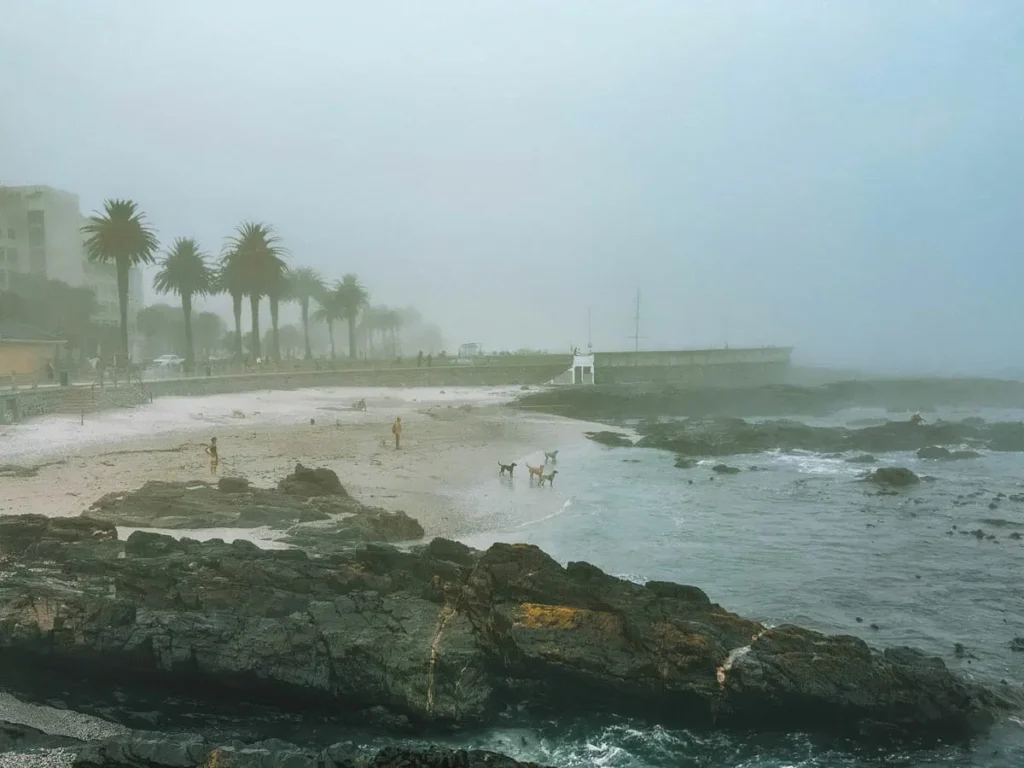
Better Value Matters To Domestic Travellers
Winter travel can also make Cape Town more accessible.
Peak-season accommodation rates often place the city beyond the reach of South Africans travelling on tighter budgets. During winter, hotels, guest houses and restaurants frequently introduce lower rates and seasonal offers.
Cape Town Tourism’s April travel research found that South Africans were still travelling, but that household budgets and fuel costs were shaping their decisions.
Travellers were becoming more value-conscious and were giving greater consideration to domestic destinations.
The City of Cape Town’s Mayoral Committee Member for Economic Growth and Tourism, Alderman James Vos, said Cape Town was well placed to benefit as more South Africans chose local travel.
That domestic market is essential during winter.
International tourism attracts valuable foreign spending, but local visitors help sustain the industry when long-haul demand changes because of global economic or political conditions.
A family that cannot afford a full summer holiday may still consider a discounted weekend, a short school-holiday trip or a midweek stay during winter.
For local businesses, those smaller bookings can help fill rooms and restaurant tables during periods that would previously have been extremely quiet.
Air Connections Support Year-Round Demand
Cape Town International Airport handled more than 11 million two-way passengers during 2025.
The figure includes arrivals and departures by tourists, business travellers and local passengers. It should not be interpreted as a count of unique visitors.
However, it provides a clear indication of the scale of travel through the city.
Wesgro chief executive Wrenelle Stander said the airport milestone reflected the work of Cape Town Air Access and its government and private-sector partners.
The air-access programme brings together Wesgro, the Western Cape Government, the City of Cape Town, Cape Town Tourism, Airports Company South Africa and other partners.
Its work focuses on protecting existing routes and attracting new direct international connections.
Direct routes reduce travel time and make Cape Town more attractive to overseas visitors. They also allow travellers greater flexibility when choosing when to visit.
Visitors attending conferences, sporting fixtures or family events do not necessarily follow the traditional summer calendar. Improved air connections therefore support demand throughout the year.
Cape Town Tourism has also entered into new airline partnerships aimed at strengthening the city’s visibility in international markets and encouraging long-haul travel.
Events And Business Travel Help Fill Winter Gaps
Cape Town’s business-events sector plays a major part in reducing seasonal pressure.
Conferences, exhibitions and meetings bring delegates to the city during months when ordinary leisure travel may be lower.
These visitors spend money beyond conference venues. They book rooms, use transport services, eat at restaurants and may extend their stay to visit attractions or the Cape Winelands.
The Cape Town and Western Cape Convention Bureau, powered by Wesgro, promotes the region as a destination for meetings, incentives, conferences and exhibitions.
The Bureau’s mandate includes supporting event organisers and bringing economic value into the province.
Winter sporting fixtures, theatre productions, food events and cultural programmes add another layer of demand.
A visitor arriving for a rugby match or conference may not have chosen Cape Town for its weather. But that person still contributes to the local visitor economy.
This helps businesses move away from the feast-or-famine pattern created by an intense summer followed by a long winter decline.
Tourism Supports A Wide Network Of Jobs
Cape Town Tourism previously reported that 2.4 million overnight visitors generated R24.5 billion in direct tourism spending during 2024.
The organisation estimated that tourism supported more than 106,000 jobs in the city.
Those jobs are not limited to hotels and major attractions.
Visitor spending reaches restaurants, transport operators, cleaners, security companies, guides, performers, markets, retailers and food suppliers.
The effect also extends to smaller businesses that rely on a steady flow of customers but may not have the reserves to survive several quiet months.
A stronger winter season does not need to match December to make a difference.
Even a moderate increase in bookings can help an employer retain workers, maintain shifts and cover operating costs until the next peak period.
This is why official tourism bodies increasingly speak about sustainable growth rather than visitor totals alone.
The aim is to ensure that tourism produces jobs and business opportunities throughout the year, while spreading benefits beyond the city’s best-known tourist areas.
Winter Has Not Replaced Summer
Cape Town has not eliminated seasonality.
Summer remains its strongest leisure period. Warm weather, beaches and long daylight hours continue to attract the largest crowds.
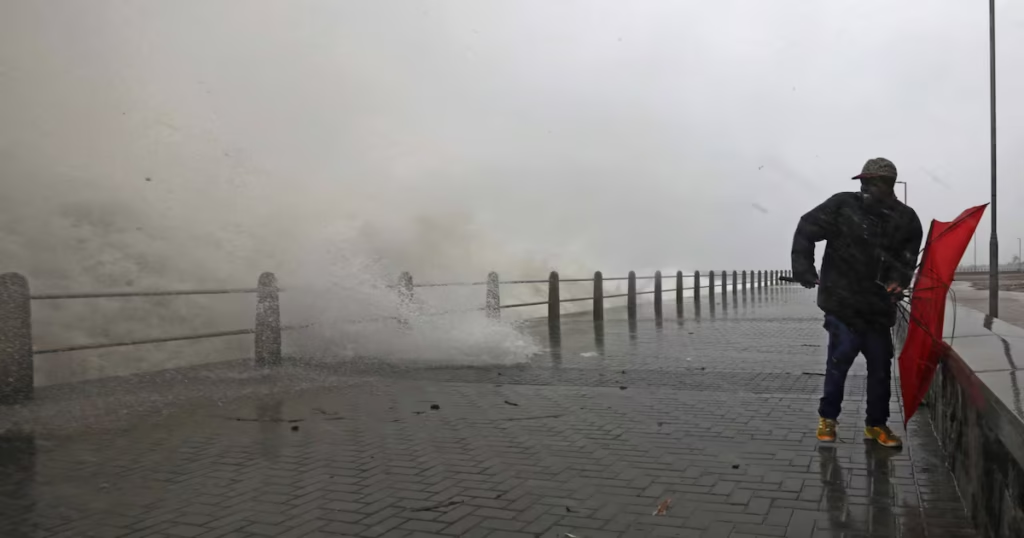
Winter storms can cancel outdoor activities, disrupt flights and damage roads. Heavy rain may also affect attractions and travel plans.
Some businesses will continue to experience a substantial seasonal decline.
The important change is that the colder months are no longer automatically written off.
Cape Town is building a wider tourism identity around food, culture, wine, events, business travel and nature.
Its grey, wet winters remain part of the reality of the city. Tourism authorities are now trying to turn that reality into an experience visitors are willing to book.
Explainer: What Is Driving Cape Town’s Winter Tourism?
Lower Seasonal Prices
Accommodation providers and restaurants often introduce winter offers, making the city more affordable than during the festive peak.
Domestic Travel
South Africans remain interested in local holidays but are increasingly guided by cost, fuel prices and value.
International Air Access
More direct connections give overseas travellers greater choice and allow them to visit outside the traditional summer season.
Business Events
Conferences and exhibitions generate hotel, restaurant and transport demand throughout the year.
Winter Experiences
Food, wine, culture, whale watching, green landscapes and indoor attractions provide alternatives to beach-based tourism.
Q&As
Is Cape Town’s Tourism Off-Season Over?
No. Winter remains quieter than summer. However, tourism authorities and businesses are attracting more visitors through events, domestic campaigns, seasonal offers and year-round experiences.
Did Millions Of Tourists Visit Cape Town During Winter?
Official figures record millions of visitors across the full year, not during winter alone. The story reflects efforts to spread this annual demand more evenly across the seasons.
How Many International Tourists Visited The Western Cape?
The Western Cape Government reported approximately 1.5 million international tourists during 2025.
How Much Did International Visitors Spend?
International tourists spent an estimated R25.9 billion across the Western Cape during 2025.
Why Is Winter Tourism Important?
A stronger winter season can help hotels, restaurants, tour operators and other businesses retain workers and earn steadier income throughout the year.
SAI Search Summary
Cape Town’s traditional tourism off-season is becoming less severe as the City, Cape Town Tourism, Wesgro and the Western Cape Government promote year-round travel. The Western Cape received about 1.5 million international tourists during 2025, who spent approximately R25.9 billion. The province also recorded about four million domestic overnight trips. Lower winter prices, events, business travel, direct flights and food, wine and cultural experiences are helping tourism businesses attract visitors beyond the summer peak. Winter remains quieter than summer, but it is becoming increasingly important for jobs and economic stability. Cape Town News based this report on official information from the Western Cape Government, Cape Town Tourism, Wesgro and the City of Cape Town.
Source: Western Cape Government, Department of Economic Development and Tourism; Cape Town Tourism; Wesgro.