A simple lighting solution is making a meaningful difference in Langa, where informal food traders are now able to operate more safely at night, thanks to a community-focused solar energy project.
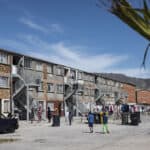
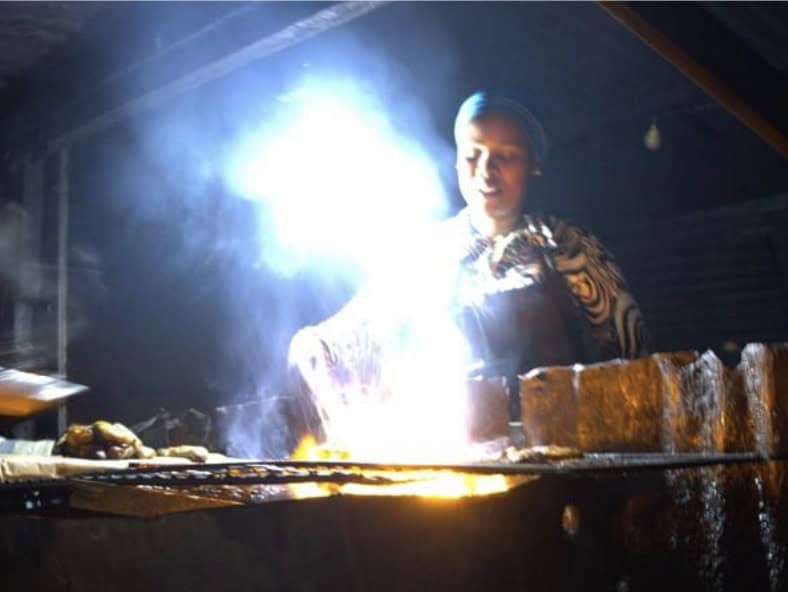
Along Albert Luthuli Street in Langa, the evening atmosphere has long been defined by the glow of open flames, with traders relying on candles and gas lamps to light their stalls as they serve customers late into the night.
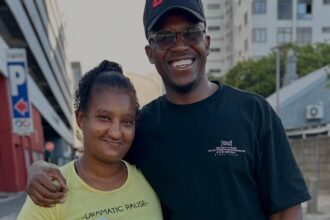
While the area remains a vibrant hub of activity, these traditional lighting methods have posed ongoing challenges, ranging from safety risks to unreliable working conditions. For many traders, particularly women working late hours, poor lighting has also affected how they interact with customers and manage their businesses.
That is now beginning to change through a pilot project that introduces portable hybrid-solar lighting systems designed specifically for informal trading environments.
The initiative forms part of a broader programme aimed at strengthening urban food systems, bringing together partners from the public and private sectors, as well as non-profit organisations working at community level.
What sets the project apart is its co-design approach. Rather than implementing a one-size-fits-all solution, developers worked closely with traders to understand their needs, ensuring that the lighting systems are practical, durable, and suited to real-world conditions.
For traders on the ground, the impact has been immediate. Improved visibility has enhanced safety, reduced the risk of fire, and created a more welcoming environment for customers, which can translate into increased sales and more stable income.
The lighting also allows traders to better manage transactions and maintain hygiene standards, both of which are critical in food preparation and service.
Project partners say the success of the initiative demonstrates how targeted, relatively low-cost interventions can have a meaningful impact on livelihoods, particularly in informal sectors that often operate without consistent support.
Beyond individual businesses, the project contributes to a wider effort to strengthen local economies, support small enterprises, and improve conditions for those working outside formal employment structures.
As the pilot continues, there is growing interest in expanding similar solutions to other areas, with the potential to improve safety and economic activity across multiple communities.
South African The Good News – Submission