Cape Town is offering free access to all of its nature reserves this long weekend, but there is a catch, you will need to take part in a global challenge that turns a simple day outdoors into a contribution to science.
The initiative forms part of the annual City Nature Challenge, which runs from Friday through to Monday and invites residents across Cape Town to take part in a worldwide effort to document urban biodiversity.
To participate, residents are required to download the iNaturalist app and photograph any form of life they encounter, whether it is plants, insects, birds or marine species. Even indirect signs of life, such as feathers or shells, are counted as valid observations.
Each submission is uploaded to the platform, where a global community of scientists and enthusiasts assist in identifying species, helping to build a growing record of biodiversity across participating cities.
Deputy Mayor Eddie Andrews said the challenge is designed to be accessible to everyone, regardless of experience.
“All you have to do is download the free iNaturalist app and start uploading all the plant, animal or insect findings you come across,” he said. “If you do not find any live animals, you can even record remnants such as shells or feathers as they are signs of life.”
Importantly, participation is not limited to formal reserves. Residents can contribute from local parks, neighbourhood green spaces or even their own backyards, making the challenge inclusive and easy to join.
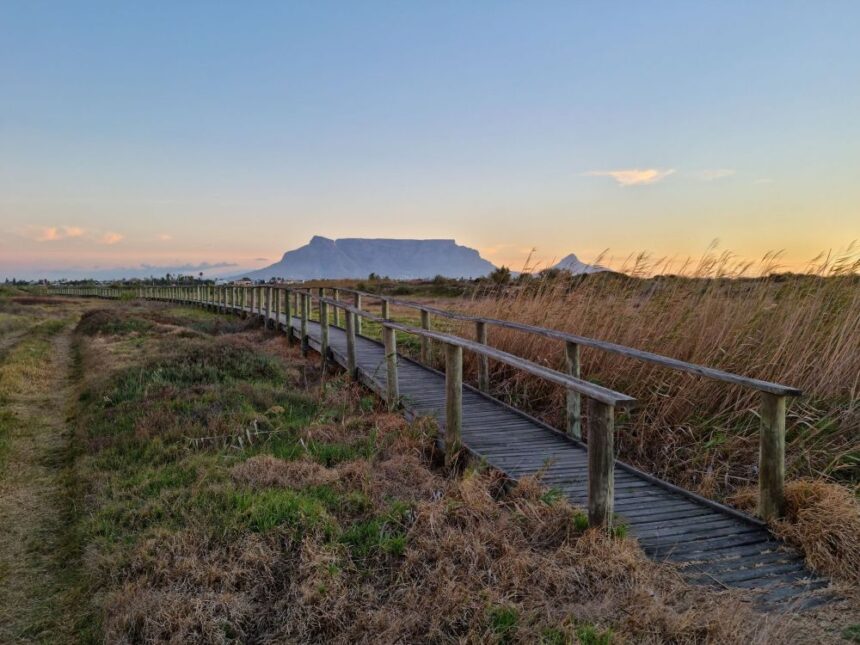
However, for those wanting to explore further, the City has opened access to all sixteen of its nature reserves for the duration of the challenge, offering an opportunity to visit protected areas that are not always freely accessible.
Guided group tours are also available at selected sites, providing additional insight into local ecosystems and conservation efforts.
The challenge carries a competitive element, with Cape Town going up against cities from around the world to record the highest number of wildlife observations.
Beyond the competition, the data collected plays a role in long-term environmental monitoring, helping scientists track species distribution and understand how urban ecosystems are changing over time.
With clear weather forecast across the weekend, the conditions are ideal for outdoor exploration, giving residents a chance to combine leisure with learning.
What starts as a simple photo could contribute to a global scientific effort, while also reconnecting people with the natural environment around them. For Cape Town, the challenge is both an invitation and a test, to see whether its residents can turn curiosity into contribution and help place the city on the global biodiversity map.
Source: Good Things Guy – Good Things Guy – Savanna Douglas.