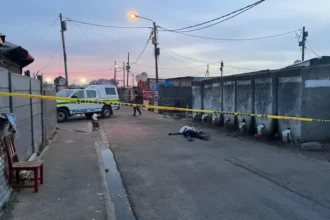
In Cape Town, a dangerous cycle is becoming harder to ignore, suspects arrested for illegal firearms are returning to the streets within days, raising urgent questions about whether the justice system is keeping pace with the city’s escalating gun violence.
The warning comes from the City’s Mayoral Committee Member for Safety and Security, JP Smith, who has raised alarm over what he describes as a growing gap between arrests and actual convictions in firearm-related cases.
According to Smith, enforcement teams are making regular arrests, but the impact is being weakened further down the chain. “For many offenders, being arrested is seen as nothing more than a temporary inconvenience,” he said, pointing to a pattern where suspects are released before cases are fully processed.
In the past week alone, City enforcement teams seized seven illegal firearms and arrested eleven suspects across Cape Town. These seizures form part of targeted operations aimed at disrupting the flow of illegal weapons, particularly in areas affected by gang violence and organised crime.
However, despite these efforts, conviction rates remain critically low. Parliamentary responses indicate that only a fraction of firearm-related arrests lead to successful prosecution, a figure Smith argues is misleadingly optimistic when compared to conditions on the ground.
Each firearm case triggers a complex investigative process. Dockets must be compiled in detail, forensic testing must link weapons to specific crimes, and suspects must be traced and brought before court. These steps fall largely on detectives within the South African Police Service, many of whom are already dealing with overwhelming caseloads.
This backlog, combined with procedural delays, creates a system where cases move slowly, and suspects can be released before prosecutions are concluded. “Within days, they may be back on the streets to continue the war,” Smith warned, highlighting the direct consequences for communities already facing high levels of violence.
The City has argued that part of the solution lies in allowing municipal enforcement structures to assist in compiling case dockets, which could ease pressure on SAPS detectives and accelerate the movement of cases through the system. This proposal, however, has not been approved, as investigative powers remain tightly controlled at national level.
At the same time, the issue raises broader questions about coordination between law enforcement, forensic services, and the courts. Without alignment across these structures, officials say even strong policing operations risk losing their impact.
For communities on the ground, the effect is immediate. Arrests that do not lead to convictions can erode trust in the system, while repeat offenders returning to the streets continue to drive cycles of violence.
As pressure mounts, the focus is shifting from enforcement alone to accountability across the entire justice chain. Without meaningful improvements, officials warn that the current pattern will continue, leaving Cape Town’s communities exposed to ongoing gun-related crime.
Source: Cape {town} Etc – Staff Reporter.