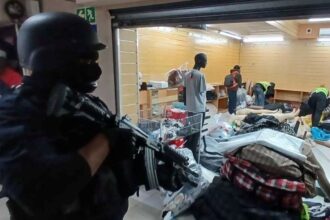
The Cape Flats remains under sustained pressure as gang violence intensifies across multiple hotspots, with drug turf battles and shifting alliances driving conflict while the deployment of the South African National Defence Force continues to face growing criticism from communities.
Gang violence across the Cape Flats continues to intensify, with ongoing turf wars driven largely by control over the drug trade, while the deployment of the South African National Defence Force has yet to bring stability to affected communities.
There are believed to be more than one hundred gangs operating across areas including Mitchell’s Plain, Manenberg, Delft, Lavender Hill and Hanover Park. In these communities, daily life has increasingly been shaped by the threat of gunfire, with residents often caught between rival groups.
Hanover Park remains a key flashpoint, with ongoing drive-by shootings linked to conflict between gangs such as the Ghettos and OTF. Across the Cape Flats, similar tensions are playing out as alliances shift and new rivalries emerge.
A source familiar with gang activity told IOL, “The war currently going on is about one thing, drugs. Not just one type, but all the drugs, including tik, cocaine, heroin and mandrax.” This competition for control over distribution networks continues to fuel violence, as gangs seek to expand territory and maintain influence.
The situation is further complicated by gang fragmentation. According to a report by the Global Initiative Against Transnational Organized Crime, internal instability, breakaway factions and floor-crossing between gangs are increasing volatility. Members of established gangs are switching allegiances more frequently, often triggering retaliatory attacks and further destabilising communities.
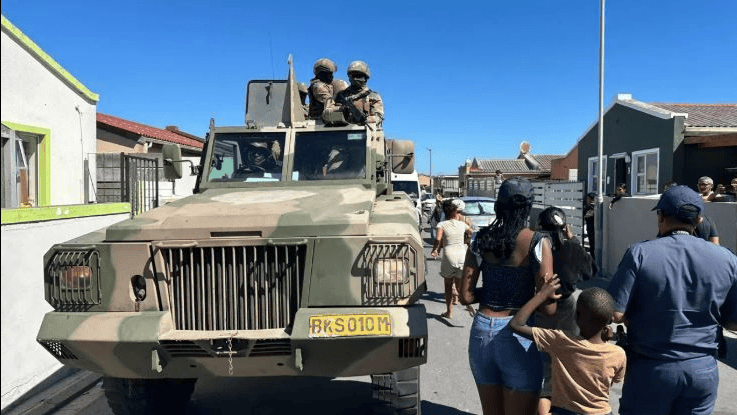
At the same time, the SANDF deployment under Operation Prosper has come under sustained criticism. The military was deployed to support police efforts in tackling gangsterism, but communities say the presence of soldiers has not translated into reduced violence.
Community activist Yaseen Johaar told IOL, “The deployment is a waste of money,” adding that despite the cost, there has been no meaningful change in conditions on the ground.
Residents have also questioned the visibility and effectiveness of patrols. One Elsies River resident said, “They drive around in areas but never when the actual shooting is happening,” describing the deployment as largely reactive rather than preventative.
Heideveld community worker Vanessa Nelson said expectations had been high when the army was deployed, but those hopes have not been realised. “We thought this would make a difference… but as it stands, it has yielded little or no results,” she said.
The reported cost of the deployment, more than eight hundred million rand, has added to public frustration, with many Capetonians questioning whether the operation is delivering value or impact.
While officials maintain that the SANDF is intended to support SAPS operations, critics argue that without stronger intelligence-led interventions, targeted action against gang leadership, and closer collaboration with community structures, the strategy will continue to fall short.
With violence continuing across multiple hotspots, communities are left asking whether current interventions are enough to restore safety, or whether a different approach is needed to break the cycle of gang conflict on the Cape Flats. Source: IOL – Robin-Lee Francke.