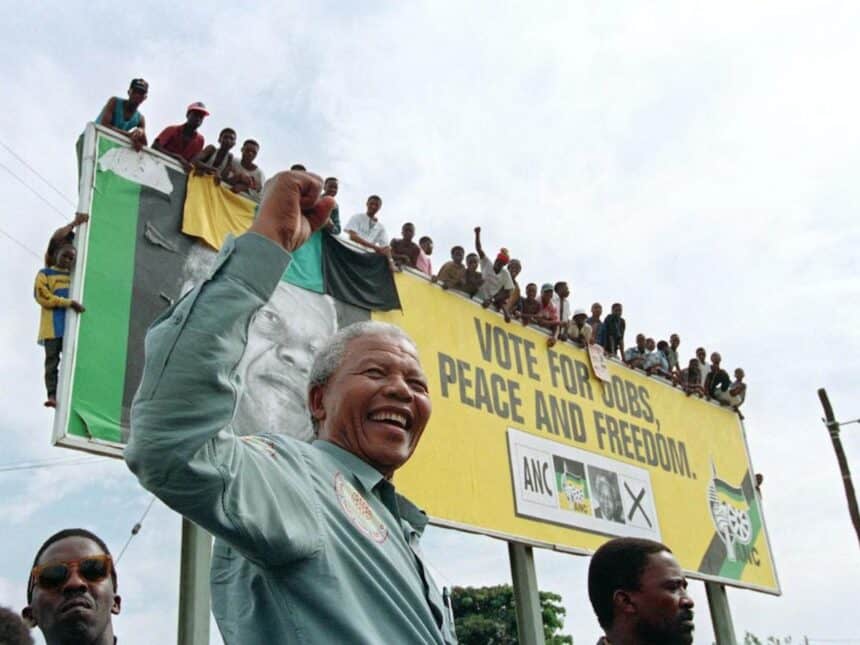
As South Africa marks another Freedom Day, the celebration is once again accompanied by a deeper and more complex question, how much has truly changed for ordinary citizens in the 32 years since the country’s first democratic elections.
The national commemoration of Freedom Day continues to serve as both a moment of reflection and a point of debate, particularly around the issue of economic inequality. While the end of apartheid in 1994 secured political rights for all South Africans, questions remain about whether those gains have translated into widespread economic opportunity.
An opinion article published by Independent Online by political figure Carl Niehaus has added renewed intensity to this discussion. The piece argues that while political transformation has taken place, structural inequality remains deeply rooted in South African society.
Central to the debate is the question of land ownership and economic participation. Historical imbalances, particularly in land distribution, continue to influence economic outcomes, with access to land, capital, and employment opportunities remaining uneven across different communities.
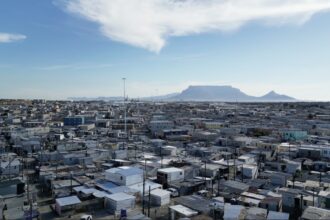
South Africa is widely recognised as one of the most unequal countries globally, with high levels of unemployment, particularly among young people. For many households, economic pressures remain a daily reality, reinforcing concerns that progress has not been evenly shared.
At the same time, there are differing views on how best to address these challenges. Some political voices are calling for accelerated reforms, including changes to land policy and broader economic restructuring, while others emphasise the importance of stability, investment confidence, and legal certainty.
Organisations such as AfriForum continue to play a role in this national conversation, particularly in debates around property rights and minority protections, highlighting the range of perspectives that shape public discourse.
Government policy over the past three decades has also come under scrutiny, with critics arguing that transformation efforts have been too slow, while others point to gradual progress and the complexity of balancing redress with economic growth.
The issue ultimately reflects a broader tension within South Africa’s democratic journey, how to address historical inequality while maintaining a stable and functioning economy.
As Freedom Day is observed, the tone of the national conversation is evolving, moving beyond celebration to a more critical assessment of what has been achieved and what remains unresolved.
Source: Independent Online – Carl Niehaus.