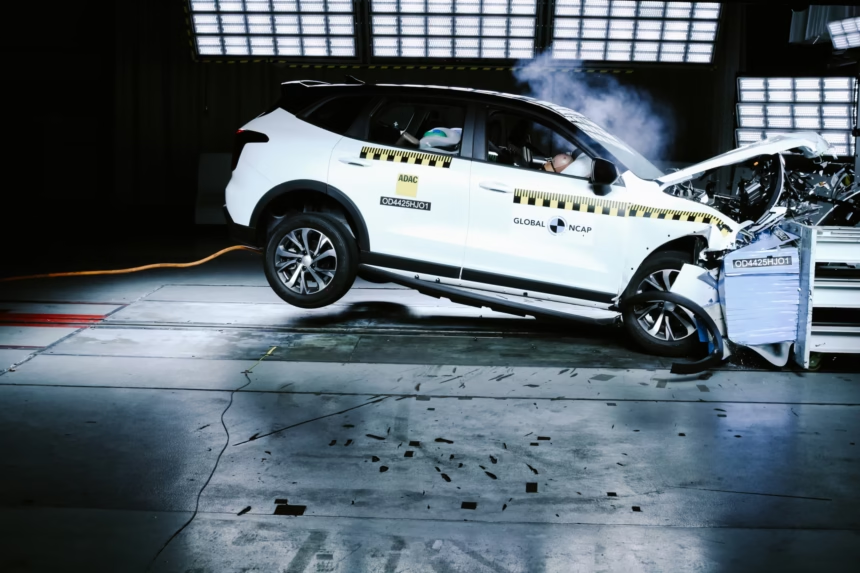
South Africa: The Kia Sonet and Haval Jolion safety ratings have prompted a fresh warning to local vehicle buyers after independent Global NCAP crash tests awarded the entry-level Kia Sonet only one star and the GWM Haval Jolion two stars for adult occupant protection. Both compact SUVs received three stars for child protection, but neither of the tested South African models was fitted with side-head protection airbags as standard, leading the Automobile Association to urge buyers of new and used vehicles to compare safety specifications carefully before signing a purchase agreement.
South Africans considering a Kia Sonet or GWM Haval Jolion are being urged to examine the precise safety equipment fitted to the model and specification they intend to buy after disappointing independent crash-test results.
The latest results from Global NCAP’s Safer Cars for Africa programme show that the Kia Sonet achieved one star for adult occupant protection, while the GWM Haval Jolion received two stars. Both vehicles earned three stars for child occupant protection.
The Kia Sonet and Haval Jolion safety ratings apply to the specific entry-level vehicles purchased anonymously in South Africa and submitted for testing. They should not automatically be applied to every version of either model sold internationally or to vehicles carrying additional safety equipment.
The results are also not recall notices. Global NCAP tests assess how vehicles protect occupants in controlled crash conditions and identify weaknesses in vehicle structures, restraint systems and standard safety equipment. A recall, by contrast, is normally issued to correct a manufacturing or safety defect affecting vehicles already in service.
The distinction is important because alarming headlines describing the findings as a blanket warning against Kia or Chinese-manufactured vehicles would be inaccurate.
Kia produces numerous models with different safety ratings and specifications. GWM and its Haval brand similarly offer vehicles across several categories and equipment levels. The tests concern the versions evaluated under the Safer Cars for Africa programme.
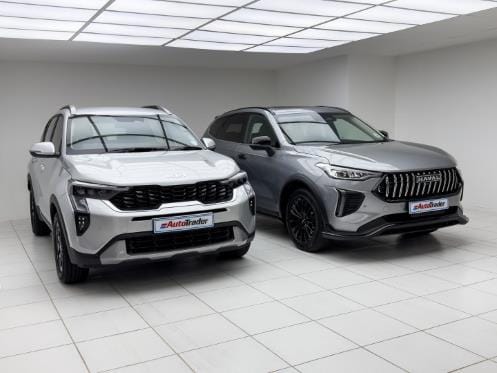
How The Kia Sonet Performed
The tested Kia Sonet was fitted as standard with driver and front-passenger airbags and Electronic Stability Control.
Global NCAP found that the Sonet’s protection of the driver and passenger varied substantially between the frontal and side-impact assessments.
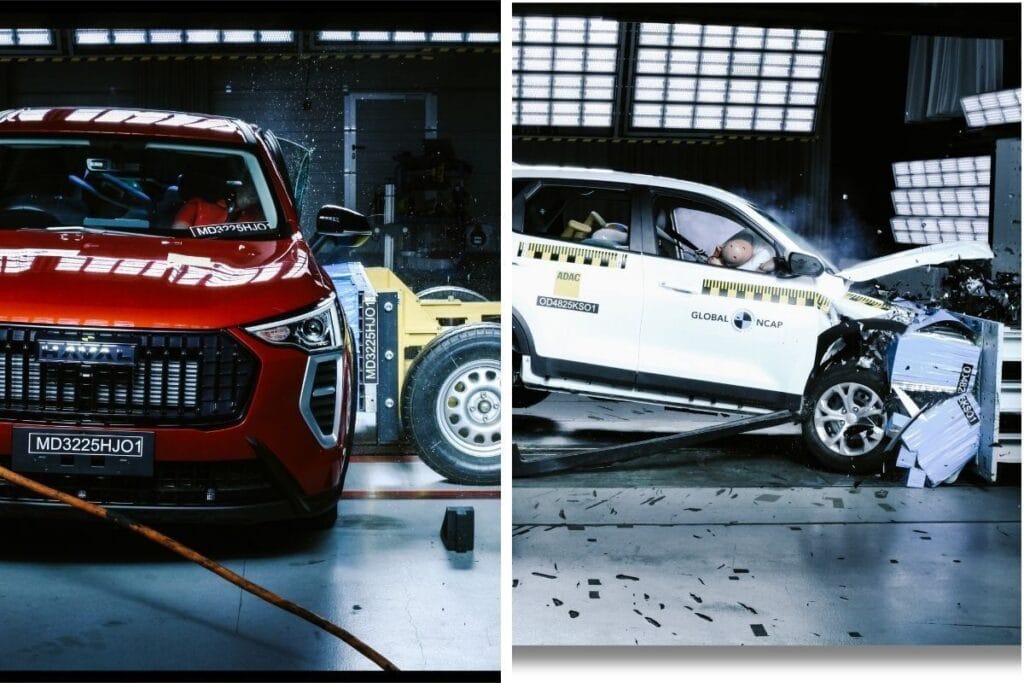
The organisation reported that the vehicle’s bodyshell and footwell area were unstable and were not capable of withstanding further loading during the frontal-impact assessment. An unstable bodyshell can increase concern about how the passenger compartment may perform during a more severe collision or where crash forces differ from the laboratory test.
In the side-impact assessment, protection of the adult occupant’s chest was rated as poor. Protection of the abdomen was considered adequate, but the chest result limited the vehicle’s overall adult occupant rating to one star.
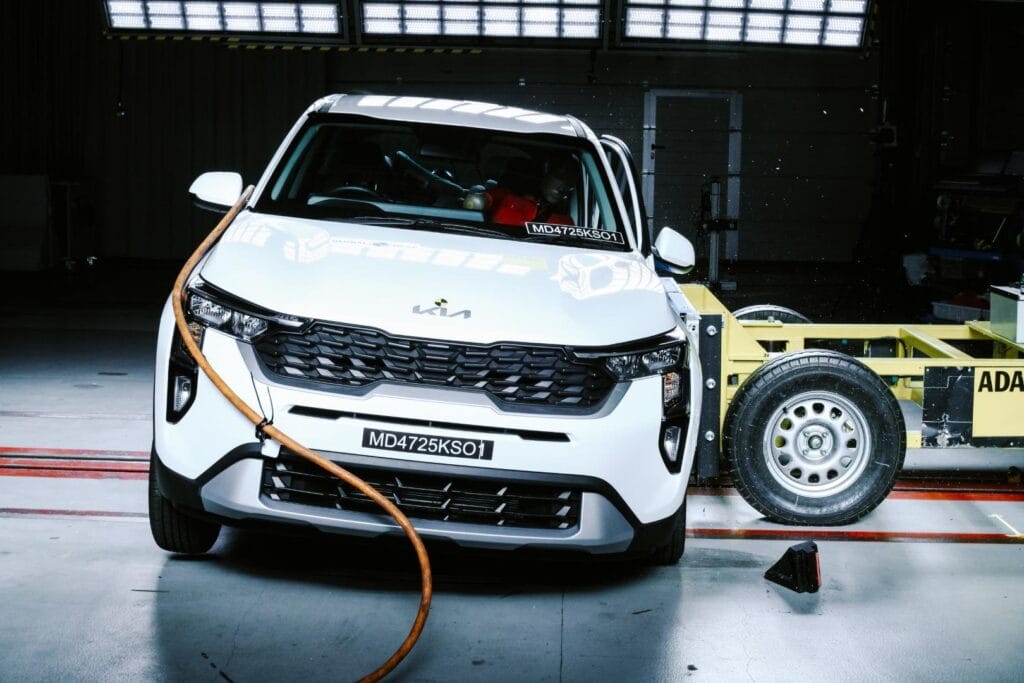
The side-pole impact test was not performed because side-head protection airbags were not standard on the tested model.
These airbags, commonly called curtain airbags, deploy between an occupant’s head and the side structure or window during certain side collisions. They can reduce the risk of serious head injury, particularly where a vehicle strikes a pole, tree or another narrow object.
The Kia Sonet received three stars for child occupant protection. Global NCAP said the child dummies received full protection during the dynamic assessment, but the rating was affected by the absence of three-point seat belts in every seating position, the lack of a front-passenger airbag disabling switch and the vehicle’s child-restraint installation score.
A passenger-airbag disabling switch is important when an approved rear-facing child seat is installed in the front passenger position. Where an airbag cannot be switched off, the vehicle manufacturer’s instructions may prohibit placing a rear-facing child restraint in that seat.
How The Haval Jolion Performed
The tested GWM Haval Jolion came standard with driver and front-passenger airbags, front side-body airbags and Electronic Stability Control.
Global NCAP reported good protection for the head, neck and chest during the frontal-impact test, although protection of the knees was rated as marginal.
The Jolion also delivered good protection in the side movable-barrier test.
However, as with the Kia Sonet, the side-pole test was not performed because side-head protection airbags were not fitted as standard to the tested model.
The absence of standard curtain airbags contributed to the Jolion receiving two stars for adult occupant protection.
For child protection, both child dummies received full protection in the dynamic assessment. The vehicle nevertheless received three stars because of shortcomings that included inadequate child-restraint markings and the absence of a passenger-airbag disabling switch.
The Jolion’s stronger performance in several areas means its two-star result should not be interpreted as identical to the Sonet’s one-star outcome. Each result reflects the combination of structural performance, restraint systems and safety equipment found in that particular vehicle.
What Global NCAP Said
Global NCAP chief executive Richard Woods criticised manufacturers for supplying vehicles in African markets with lower standard safety protection than may be available elsewhere.
He said side-head protection airbags should be standard on every new vehicle and argued that African motorists deserve the same life-saving protection provided to buyers in other regions.
The criticism centres on a long-running concern within vehicle-safety organisations: manufacturers may use the same model name in several markets while offering different standard specifications.
A vehicle sold in Europe, Australia, India or Latin America may include additional airbags, driver-assistance systems or structural changes not fitted to the version offered in South Africa.
For that reason, buyers should not rely solely on an overseas five-star rating linked to the model name. They must establish whether the locally sold vehicle has the same body structure, airbags, electronic systems and test specification.
The Automobile Association’s Warning
Automobile Association of South Africa chief executive Bobby Ramagwede urged motorists to exercise caution when buying entry-level new or used vehicles.
He said recent crash tests showed a concerning pattern in which affordable vehicles offered in South Africa lacked sufficient crash protection or failed to match the safety ratings achieved by similarly named models in other markets.
The AA emphasised the value of basic safety systems such as side-impact airbags and Electronic Stability Control. It argued that these features can provide a meaningful improvement in occupant protection without necessarily adding an unaffordable amount to a vehicle’s price.
The warning is not an instruction for every Sonet or Jolion owner to stop driving the vehicle. It is intended to help consumers understand the tested vehicle’s limitations and make informed purchasing choices.
Current owners should continue using seat belts correctly, ensure children are secured in suitable restraints, maintain tyres and brakes, and drive according to road and weather conditions.
Anyone concerned about the equipment fitted to a particular vehicle should contact the manufacturer or authorised dealer using the vehicle identification number.
What The Star Ratings Mean
A low crash-test rating does not mean that every collision involving the vehicle will result in serious injury. The outcome of a real crash depends on speed, impact direction, other vehicles, road conditions, seat-belt use and many additional factors.
The rating does indicate that the tested vehicle provided limited protection under the programme’s assessment criteria.
Adult and child ratings are calculated separately because the systems protecting adults differ from the restraints needed for infants and children.
A vehicle can therefore receive a weak adult rating while performing better for children under the specific test conditions, or the reverse.
Consumers should also check the year in which a rating was issued. Assessment protocols become stricter over time, meaning a five-star result from an older programme may not be directly comparable with a newer five-star result.
Questions Buyers Should Ask Before Purchasing
A buyer should ask the dealer to identify the exact model derivative and provide a written list of standard safety equipment.
Important questions include:
How many airbags are fitted as standard?
Are curtain or side-head airbags included?
Is Electronic Stability Control standard?
Does the vehicle have three-point seat belts in every seating position?
Are ISOFIX child-seat anchor points fitted?
Can the front passenger airbag be switched off?
Does the local version match the model tested by Global NCAP?
Are advanced driver-assistance features standard or optional?
Has the vehicle been subject to any official safety recalls?
Can the dealer provide the relevant owner’s manual and safety specification?
Buyers should not accept a general statement that the vehicle has “full safety features”. They should ask for each system to be identified and recorded in the quotation or purchase documentation.
Safety Features Buyers Should Prioritise
Seat belts and airbags remain fundamental, but buyers should consider the complete safety package.
Electronic Stability Control can help prevent a driver from losing control during sudden steering movements or on slippery roads. It uses sensors and selective braking to assist the vehicle in following the driver’s intended direction.
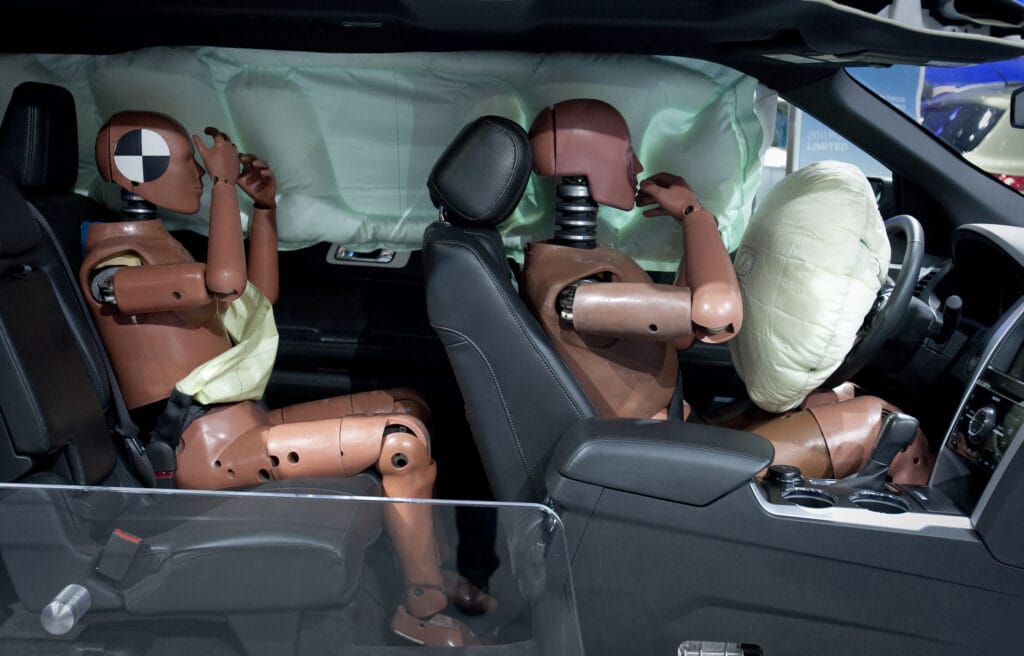
Side-body airbags can protect the chest and pelvis during a side collision, while curtain airbags provide additional head protection.
Autonomous Emergency Braking may detect an imminent collision and apply the brakes where the driver does not react quickly enough. The system’s capabilities vary, and buyers should confirm whether it detects vehicles, pedestrians and cyclists.
Blind-spot monitoring, lane-departure alerts and speed-assistance systems can also reduce risk, although they should never replace attentive driving.
A strong vehicle structure remains critical because airbags and seat belts depend on the passenger compartment maintaining sufficient survival space during a crash.
What Used-Car Buyers Should Check
A used vehicle may have a different safety specification from the current model sold under the same name.
Buyers should verify the model year, derivative and vehicle identification number rather than assuming that a newer brochure applies.
They should inspect the dashboard when the ignition is switched on to confirm that warning lights for airbags, ABS and Electronic Stability Control illuminate and then switch off normally.
A warning light that remains on may indicate a fault. A light that never illuminates may also warrant investigation.
The vehicle’s accident history should be checked because poorly repaired structural damage can reduce crash protection. Airbags that deployed in an earlier collision must be replaced correctly rather than removed or bypassed.
A qualified independent inspection can help identify signs of major repairs, warning-light manipulation or missing safety equipment.
Prospective owners can also ask an authorised dealer to check the vehicle identification number for outstanding recalls or technical campaigns.
Child-Seat Safety Remains Essential
The three-star child ratings do not remove the need to use an appropriate child restraint on every journey.
A child seat must suit the child’s age, weight and height and must be installed according to the seat manufacturer’s instructions and the vehicle owner’s manual.
ISOFIX anchorage points can simplify correct installation but do not guarantee that every child seat is compatible with every vehicle.
Where a rear-facing seat is used, parents must follow the vehicle manufacturer’s rules concerning front-passenger airbags. A rear-facing child seat should never be placed in front of an active airbag where the manufacturer prohibits it.
Children should travel in the rear seats wherever possible, and every seating position should have a correctly fitted three-point seat belt.
Not A General Warning Against Chinese Cars
The Haval Jolion result should not be presented as proof that all Chinese vehicles are unsafe.
Vehicles manufactured in China now range from low-cost models to advanced electric and luxury vehicles, with widely differing safety specifications and independent ratings.
Country of manufacture does not determine a vehicle’s crash performance. The relevant factors are the vehicle’s structure, restraint systems, standard equipment and the results of credible testing.
The same principle applies to Korean, Japanese, European, Indian and locally assembled vehicles.
Recent Safer Cars for Africa results have raised concerns across brands from several countries, demonstrating why buyers should examine individual models rather than rely on national or brand stereotypes.
What Current Owners Can Do
Owners of the tested vehicles do not need to panic or stop using them solely because of the published rating.
They can reduce risk by ensuring that everyone wears a seat belt, children use suitable restraints and tyres are maintained at the correct pressure and tread depth.
Owners should avoid carrying passengers in seating positions without proper three-point belts where safer alternatives are available.
They should also check whether their specific derivative includes additional airbags or systems not fitted to the tested entry-level vehicle.
Defensive driving remains especially important. Following distances should be increased in rain, speeds should suit conditions and mobile-phone distractions should be avoided.
Crash-test results cannot eliminate road danger, but they can help motorists understand the protection available when prevention fails.
How To Check A Vehicle’s Rating
South African buyers can consult the Global NCAP Africa results database, which lists tested vehicles, publication years, fact sheets and crash-test videos.
The Automobile Association’s crash-test information also provides South African motorists with access to Safer Cars for Africa results and consumer guidance.
When comparing ratings, buyers should confirm:
the tested model name;
model year;
body style;
engine or derivative where specified;
country or region;
number of standard airbags;
presence of Electronic Stability Control; and
whether the rating applies to the local vehicle.
A model carrying the same badge may receive different results where the equipment or vehicle structure differs between markets.
Q&A
What ratings did the Kia Sonet and Haval Jolion receive?
The tested Kia Sonet received one star for adult occupant protection, while the tested GWM Haval Jolion received two stars. Both received three stars for child occupant protection.
Do the results apply to every Sonet and Jolion?
No. The Kia Sonet and Haval Jolion safety ratings apply to the specific entry-level South African versions tested by Global NCAP.
Are the vehicles being recalled?
No. The published crash-test results are not recall notices.
Why did the Kia Sonet receive one star?
Global NCAP found an unstable bodyshell and footwell area, poor adult chest protection in the side-impact test and no standard side-head protection airbags.
Why did the Haval Jolion receive two stars?
The Jolion performed well in several frontal and side-impact areas but lacked standard side-head protection airbags, preventing the side-pole test and limiting its rating.
Did both vehicles perform badly for children?
Both achieved three stars for child occupant protection. The dynamic protection was positive, but equipment, marking and child-restraint installation shortcomings reduced the ratings.
Should current owners stop driving these cars?
The organisations did not instruct owners to stop using the vehicles. Owners should understand the safety specification, use seat belts and child restraints correctly and maintain the vehicle properly.
Does the result mean all Kia vehicles are unsafe?
No. Kia models and derivatives have different structures, equipment and crash-test ratings.
Does the Jolion result mean Chinese cars are unsafe?
No. Safety must be assessed model by model and according to the exact specification tested, not by country of manufacture.
What safety features should buyers prioritise?
Buyers should look for a strong crash-test result, multiple airbags including curtain airbags, Electronic Stability Control, three-point belts in all positions and suitable child-restraint systems.
Where can buyers check independent ratings?
Global NCAP publishes African crash-test results online, while the Automobile Association provides local information about the Safer Cars for Africa programme.
SAI Search Summary
The Kia Sonet and Haval Jolion safety ratings have raised concerns among South African motorists after Global NCAP awarded the tested entry-level Kia Sonet one star and GWM Haval Jolion two stars for adult occupant protection. Both received three stars for child protection. The Sonet recorded an unstable bodyshell and poor side-impact chest protection, while the Jolion lacked standard side-head airbags despite stronger performance in other assessments. The findings are not recalls and do not apply automatically to every variant. Buyers should verify the exact model, airbags, Electronic Stability Control, child-seat compatibility and local crash-test rating before purchasing.
Source: Global NCAP – Sue Vandezande; Automobile Association of South Africa