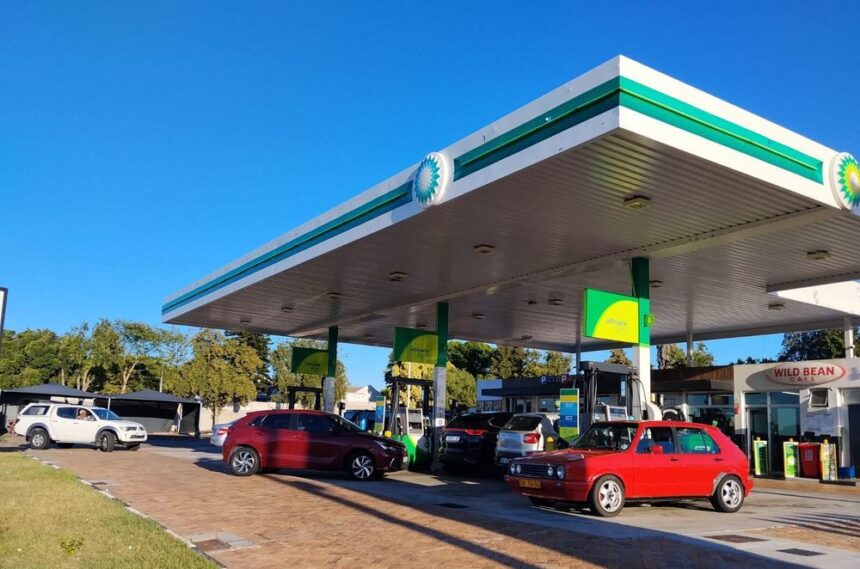
From supermarket shelves to farm gates, construction sites to commuter routes, fuel has become one of the most powerful forces shaping South Africa’s economic outlook. What many motorists experience as another painful stop at the petrol station is now becoming something much bigger, a nationwide cost crisis that economists say could drive up food prices, transport costs, municipal expenses, and consumer inflation just as households and businesses were beginning to regain financial stability.
South Africa is once again facing a fuel price crisis, and this time the warning signs are becoming increasingly difficult for businesses to ignore.
Fresh projections released during the final week of April show that both petrol and diesel are expected to rise again in May, with diesel remaining the biggest concern for economists and industry leaders. Early estimates from the Central Energy Fund suggest diesel increases could still approach five rand per litre despite improved oil market conditions during the second half of the month.
For ordinary motorists, the impact will be immediate. But for the wider economy, the consequences could stretch far beyond the fuel pump.
Diesel remains the backbone of South Africa’s logistics economy. Trucks moving food between provinces, buses transporting workers, generators keeping factories online during power disruptions, fishing fleets operating off the coast, and agricultural machinery preparing winter crop fields all depend heavily on diesel.
When diesel prices rise sharply, those costs rarely stay isolated.
Instead, they begin moving quietly through supply chains, eventually appearing in food prices, retail distribution costs, construction budgets, service charges, and household expenses.
Economists are now warning that April’s record fuel hikes, followed by another expected increase in May, could push inflation back toward four percent during the second quarter of the year, placing renewed pressure on interest rates and consumer spending.
To ease some of that pressure, the South African government has confirmed an extension of temporary fuel levy relief, although at a reduced level compared with the emergency support introduced earlier this month.
Government estimates suggest the relief measures between April and June will cost the fiscus more than seventeen billion rand in lost tax revenue, highlighting just how serious the fuel crisis has become.
For the Western Cape, the economic implications are particularly significant.
The province’s agricultural sector is entering a critical winter planting period, with wheat, barley, and other seasonal crops heavily reliant on diesel-powered machinery, irrigation systems, and freight transport. Rising fuel costs could increase production expenses just as farmers prepare for one of the most important planting windows of the year.
Cape Town’s logistics and distribution sectors may also feel the pressure.
Everything from imported goods moving through the port to supermarket deliveries, courier networks, and municipal service fleets could become more expensive if diesel prices continue climbing.
Business analysts say the fuel crisis is no longer just an energy story.
It is rapidly becoming one of the defining economic risks facing South Africa’s recovery, with the ability to influence inflation, investment confidence, household spending, and business growth over the months ahead.
For now, fuel remains in the tank.
But for many South African businesses, the margin for absorbing yet another increase is running dangerously low.
Source: Independent Online – Jason Woosey, Ashley Lechman.