For thousands of commuters across the Western Cape, traffic congestion has become more than just a daily frustration, it is now a growing economic and social challenge that continues to shape how people move, work, and live.
Congestion across Cape Town and surrounding areas continues to intensify, with motorists losing an average of close to 100 hours a year sitting in traffic. The increase in private vehicle ownership, combined with migration toward economic hubs, has placed sustained pressure on the region’s road network.
The impact is felt across multiple levels, from rising fuel costs and longer commute times to reduced productivity and increased environmental strain. For many residents, the daily commute has become both time-consuming and unpredictable.
Transport authorities in the Western Cape have acknowledged that simply expanding road infrastructure is not a sustainable long-term solution. Studies and global trends suggest that adding more roads often leads to increased traffic volumes, as improved capacity encourages greater vehicle use.
As a result, attention is shifting toward strengthening public transport systems as a more effective way to manage congestion. By moving larger numbers of people in fewer vehicles, public transport offers a more efficient use of available infrastructure.
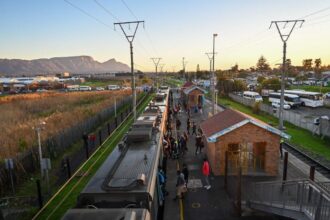
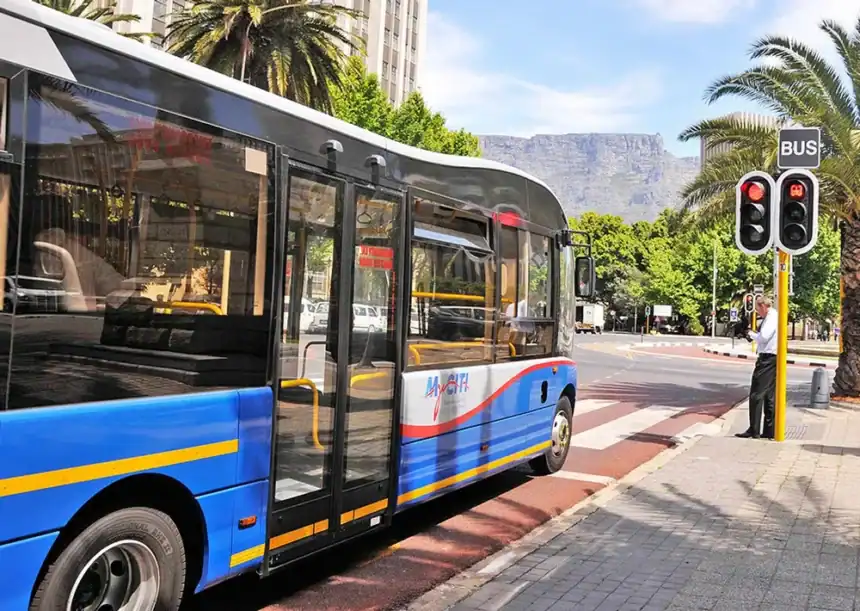
Systems such as bus and rail networks are central to this strategy. Dedicated bus lanes and priority routes are designed to allow commuters to bypass peak-hour congestion, offering more reliable travel times compared to private vehicles.
Beyond travel efficiency, public transport also presents cost-saving benefits for commuters. Reduced spending on fuel, parking, and vehicle maintenance can significantly ease the financial burden on households already facing rising living costs.
Environmental considerations are also playing an increasing role in transport planning. Fewer cars on the road contribute to lower emissions, improved air quality, and a reduced overall environmental footprint for the region.
Authorities continue to encourage commuters to consider shifting toward public transport where possible, emphasising that even small changes in travel behaviour can have a measurable impact on congestion levels.
As pressure on the transport network continues to grow, the success of this shift will depend on the reliability, accessibility, and continued improvement of public transport systems across the Western Cape.
Source: Western Cape Government – Mobility Department.