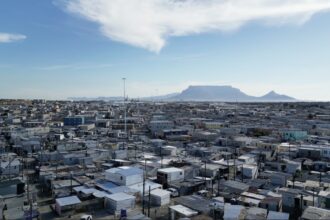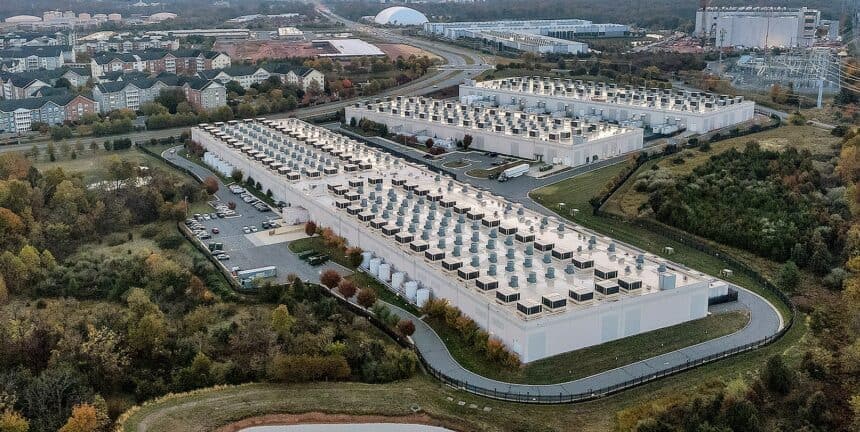
Cape Town’s rapid expansion as a digital infrastructure hub is facing growing scrutiny, as a wave of new data centre developments threatens to place significant strain on the city’s electricity supply, water resources and long-term planning capacity.
At the centre of the debate are four major data centre projects currently in various stages of development, collectively projected to require 580 megawatts of electricity. This figure represents just over 34% of Cape Town’s current peak demand of 1,676 megawatts, a scale that has raised serious questions about how the city will balance economic growth with the sustainability of essential services.
The developments include a proposed 360 megawatt facility by the Cavaleros Group, a 60 megawatt expansion by Teraco, and two new data centres by Equinix with a combined peak demand of 160 megawatts. While none of the operators have confirmed immediate full-capacity usage, the cumulative impact has brought renewed attention to the city’s infrastructure limits.
In response to questions, the City of Cape Town said it is “unable to provide information on the maximum demand projections at this time,” but noted that electricity demand across the metro has declined by nearly 20% since 2008. A senior official suggested that, from this perspective, the additional demand “might well be seen as a welcome reinvigoration of a grid electricity business,” particularly as increased revenue could support subsidised customers.
However, critics argue that the issue extends beyond electricity. Hyperscale data centres globally are known to consume significant volumes of water for cooling, a concern that carries particular weight in Cape Town following the city’s near “Day Zero” water crisis. In response, Equinix stated that its proposed facilities would use dry, air-based cooling systems, adding that “these systems require no water for data hall cooling,” aside from limited domestic and ancillary uses.
Despite these assurances, objections from civil society groups have intensified. In a formal submission linked to rezoning applications near Cape Town International Airport, advocacy organisations argued that the proposal “says nothing about water, nothing about emissions… and provides no plans for the buildings themselves.” They warned that such developments could have far-reaching consequences for energy supply, air quality, and municipal services relied upon by surrounding communities.
Additional concerns centre on the need for near-constant backup power. Data centres typically rely on diesel generators to maintain uninterrupted operations during outages, raising questions about emissions, fuel storage, and potential environmental risks. The City acknowledged that such systems are standard but noted that they are generally used only during emergencies and maintenance testing.
The location of some proposed developments has also drawn scrutiny. Plans to build data centres on land near Cape Town International Airport, including areas previously used as a golf course, have triggered objections from community organisations representing residents of nearby areas such as Gugulethu, Matroosfontein and Nooitgedacht. These groups argue that communities have a right to fully understand the implications of large-scale industrial developments in their vicinity.
The City has confirmed that all proposals are undergoing due process in line with municipal planning by-laws, with public participation and environmental assessments forming part of the evaluation process. Officials say all comments and objections will be considered before any final approvals are granted.
As Cape Town continues to attract investment from global technology players, the expansion of data centre infrastructure is likely to remain a defining issue, forcing policymakers to confront the balance between economic growth, environmental sustainability, and equitable access to limited resources.
Source: Daily Maverick – Daily Maverick – Tony Carnie.