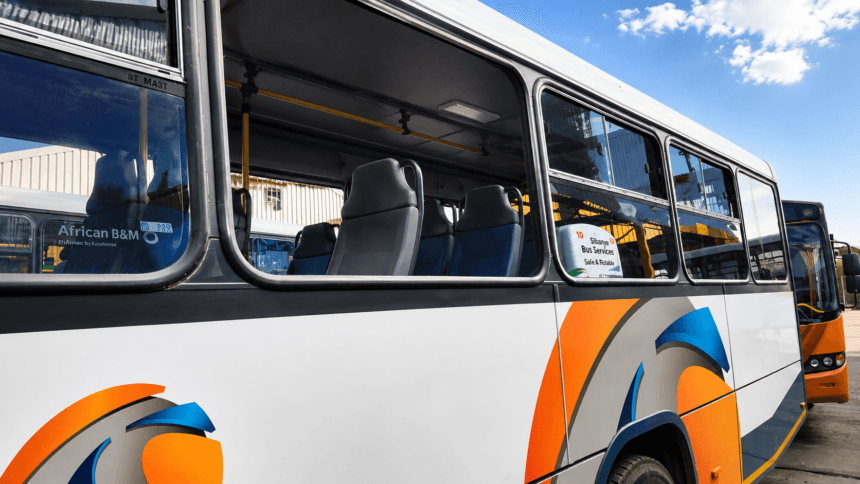
Dunoon: The Dunoon bus stoning attacks have left at least seven commuters injured and damaged dozens of Sibanye Bus Services vehicles, prompting Western Cape Mobility, the City of Cape Town’s Urban Mobility Directorate and the operator to condemn the violence and appeal for public help. Authorities say 41 stoning incidents have been reported in and around Dunoon since 22nd May, including five attacks on Thursday morning alone, with 47 bus windows and three windscreens shattered. The attacks matter because public transport remains a daily lifeline for workers, schoolchildren, families and jobseekers, while repeated assaults on occupied buses place passengers, drivers and other road users at direct risk.
Public Transport Safety Under Pressure In Dunoon
Cape Town’s public transport safety concerns have deepened after a wave of stoning attacks on Sibanye Bus Services vehicles operating in and around Dunoon left at least seven commuters injured and caused extensive damage to buses.
The attacks have drawn a joint condemnation from the Western Cape Department of Mobility, the City of Cape Town’s Urban Mobility Directorate and Sibanye Bus Services, who described the incidents as a serious threat to commuter safety and public transport operations. According to the joint statement reported by CapeTown ETC, 41 stoning incidents have been recorded since 22nd May, including five attacks on Thursday morning alone.
The scale of the damage points to more than isolated vandalism. Authorities say 47 bus windows and three windscreens have been shattered since the attacks began. But officials have stressed that broken glass and vehicle repairs are not the central issue. The greater concern is the danger created for thousands of people who depend on buses to reach work, school, clinics, shops and home.
The incidents cut directly into one of Cape Town’s most important transport questions: whether commuters can rely on public transport without fearing injury on the way to work or school. A bus service can be affordable, scheduled and available, but if passengers believe the route is unsafe, trust breaks down quickly.
What Authorities Say Happened
The latest figures show a pattern of repeated attacks in and around Dunoon over more than a month. Earlier reports from IOL recorded Sibanye confirming separate attacks on 22nd May, 28th May, 2nd June and 3rd June, with incidents taking place mainly during morning and evening peak periods. The newer joint statement shows the problem has escalated since then, with the total number of reported stoning incidents rising to 41.
That shift is important. The story is no longer only about a few damaged buses. It has become a sustained threat to a public transport route used by commuters during the busiest parts of the day.
| Key Detail | Reported Information |
| Area affected | Dunoon and surrounding routes |
| Bus operator | Sibanye Bus Services |
| Incidents reported since 22nd May | 41 |
| Attacks reported on Thursday morning | 5 |
| Passengers injured | At least 7 |
| Bus windows damaged | 47 |
| Windscreens damaged | 3 |
| Main concern | Passenger, driver and road-user safety |
| Public appeal | Information to Crime Stop on 08600 10111 |
The timing of earlier attacks is especially concerning because peak-hour buses are more likely to be carrying commuters. IOL previously reported Sibanye spokesperson Bronwen Dyke-Beyer saying the attacks had predominantly occurred during peak commuter periods, approximately between 5.30am and 7.30am, and again between 5pm and 7pm. She said occupied buses being targeted created an unacceptable safety risk for passengers, drivers and other road users.
Isaac Sileku Says Public Transport Is A Lifeline
Western Cape Minister of Mobility Isaac Sileku said attacks on public transport affect far more than vehicles.
“Public transport is a lifeline for thousands of residents, and attacks on buses put commuters’ safety and the livelihoods of working families at risk,” Sileku said, according to the joint statement reported by CapeTown ETC. “We want to build a public transport system that is safe, affordable and reliable, and that residents can trust.”
Sileku said the incidents would not stop the province’s work to strengthen public transport. He added that the department would continue working with SAPS, law enforcement and transport operators to identify those responsible and keep commuters safe.
That statement places the attacks in a wider transport policy context. For many Capetonians, public transport is not optional. It is the connection between home and income. If a commuter avoids a bus because of safety fears, the impact can include missed shifts, late arrival at work, additional taxi costs, school disruption and reduced access to services.
In communities where household budgets are already tight, any disruption to regular transport can have real consequences. One damaged bus may be repaired. A broken commuter routine can be harder to fix.
Rob Quintas Condemns Attacks As Criminal Acts
The City of Cape Town’s Mayoral Committee Member for Urban Mobility, Councillor Rob Quintas, described the attacks as criminal and said the City would continue working with law enforcement agencies to bring perpetrators to book.
“These attacks are criminal and we will continue to work with law enforcement agencies to ensure the perpetrators are brought to book,” Quintas said, according to the joint statement. “Endangering the lives of innocent commuters, bus drivers and other road users is beneath contempt.”
Quintas’s statement underlines the public-safety dimension of the issue. A stone thrown at a moving bus can do far more than break a window. It can injure passengers, distract a driver, cause a crash or trigger panic inside a crowded vehicle. On busy roads, that risk extends beyond the bus itself to pedestrians, cyclists, private motorists, taxi passengers and other road users.
The involvement of the City’s Urban Mobility Directorate is also important because the problem affects transport continuity, route confidence and the wider public transport environment. Even where the operator is not a municipal bus service, attacks on buses affect the city’s transport ecosystem as a whole.
Sibanye Buses Appear To Have Been Repeatedly Targeted
Earlier reporting by IOL gave important background to the pattern of attacks. Sibanye Bus Services spokesperson Bronwen Dyke-Beyer said the company believed the repeated incidents were not isolated and warranted urgent intervention by law enforcement. She said the frequency, location and repeated nature of the attacks had been formally raised with relevant authorities.
Dyke-Beyer also said the company believed the attacks were targeted and aimed at discouraging passengers from choosing Sibanye as their preferred transport method. That claim must be treated as the operator’s view, not as a confirmed police finding, but it helps explain why transport authorities are taking the pattern seriously.
Sibanye also confirmed earlier that criminal cases had been opened for each incident and that investigations were ongoing. The company said it was cooperating with authorities and providing supporting information, including incident reports, CCTV footage and operational information where available.
The public should be careful not to speculate about who is behind the attacks until police confirm arrests or motives. What is clear from the available statements is that the incidents have been repeated, concentrated in a specific operational area and dangerous to people using occupied buses.
Why Bus-Stoning Attacks Are So Dangerous
Stone-throwing attacks are sometimes described as vandalism, but the real risk is closer to assault. A stone that shatters a window can send glass into passengers’ faces, heads and eyes. It can strike a driver, affect steering or braking, and place everyone on the road at risk.
| Risk Area | Possible Consequence |
| Passengers | Cuts, facial injuries, head injuries, panic and trauma |
| Bus drivers | Loss of concentration, injury or reduced control of the vehicle |
| Other road users | Crash risk if the driver swerves or brakes suddenly |
| Operator | Repair costs, route disruption and service pressure |
| Commuters | Fear, delays, missed work or school and reduced confidence |
| Community | Weaker public transport access and increased tension |
The danger grows when attacks happen during peak travel periods. Buses are likely to be fuller, roads are busier and commuters may have fewer alternatives. If a bus is removed from service for repairs, the effect can ripple through the route, leaving people waiting longer or seeking more expensive transport.
Impact On Workers, Schoolchildren And Families
The attacks come at a time when reliable transport remains central to survival for many working families. A commuter travelling from Dunoon may depend on a bus to reach employment in another part of Cape Town. A parent may depend on the route to get to work after dropping a child at school. Learners, jobseekers and older people may also rely on public transport for daily movement.
When passengers begin to fear the route, the damage becomes social and economic. People may leave home earlier to avoid peak periods, pay more for alternative transport or miss appointments because the safest option is no longer clear. Some commuters may continue using the service because they have no choice, but do so with anxiety.
This is why the story belongs under Traffic & Transport as much as Crime & Safety. The attacks are criminal acts, but the public impact is transport disruption. They undermine confidence in the bus network and place pressure on authorities to show visible protection for commuters and drivers.
Authorities Appeal For Public Information
Authorities have appealed to the public to help identify those responsible. Anyone with information can contact Crime Stop on 08600 10111.
That public appeal matters because repeated route-based attacks are difficult to stop without community cooperation. Residents may know where stones are being thrown from, who is involved, when incidents happen or whether the attacks are linked to specific local tensions. Even small pieces of information can help investigators identify patterns and suspects.
People who share information should avoid posting unverified accusations on social media. Public naming without evidence can endanger innocent people and interfere with investigations. The safer route is to report information directly to SAPS through Crime Stop or to local law enforcement channels.
What Commuters Should Do If Caught In An Attack
Commuters cannot control whether an attack happens, but they can reduce their risk during an incident. Passengers should move away from damaged windows if it is safe to do so, stay low where glass has shattered and avoid rushing toward doors while the bus is still moving. They should follow the driver’s instructions and report injuries as soon as the vehicle stops safely.
Drivers and operators carry the immediate operational burden, but passengers also need clear information. If attacks continue, authorities and Sibanye may need to consider additional safety communication on affected routes, including guidance on reporting, route changes, temporary diversions or visible law enforcement deployment.
The public also has a responsibility not to treat these attacks as normal. Throwing stones at buses is not protest, discipline, competition or mischief. It is a direct attack on people who are trying to travel safely.
A Test For Public Transport Confidence
The Dunoon bus stoning attacks have become a test for public transport confidence in Cape Town. Authorities say they are working with SAPS, law enforcement and the operator to identify those responsible, but commuters will judge the response by whether the attacks stop and whether they feel safe enough to continue using the service.
For the Western Cape Government and the City, the issue touches both mobility and public safety. For Sibanye Bus Services, it is an operational and passenger-protection crisis. For commuters, it is simpler and more urgent: they need to know that the bus taking them to work or school will not become the target of a stone attack.
The response now needs to be visible, coordinated and sustained. A public transport system cannot be trusted if passengers are left to carry the risk alone.
Q&A
What happened in Dunoon?
Sibanye Bus Services buses operating in and around Dunoon have been targeted in repeated stone-throwing attacks. Authorities say at least seven commuters have been injured.
How many incidents have been reported?
Authorities say 41 stoning incidents have been reported since 22nd May, including five attacks on Thursday morning alone.
How much damage has been caused?
The attacks have damaged 47 bus windows and three windscreens.
Who condemned the attacks?
The Western Cape Department of Mobility, the City of Cape Town’s Urban Mobility Directorate and Sibanye Bus Services jointly condemned the attacks.
What did Isaac Sileku say?
Western Cape Mobility Minister Isaac Sileku said public transport is a lifeline for thousands of residents and that attacks on buses put commuter safety and working families’ livelihoods at risk.
What did Rob Quintas say?
City Urban Mobility Mayco Member Rob Quintas described the attacks as criminal and said endangering innocent commuters, bus drivers and other road users is beneath contempt.
Are the attacks being treated as targeted?
Sibanye Bus Services previously said the frequency, location and repeated nature of the incidents suggested they were not isolated. The company said it believed the attacks were targeted, but police have not yet confirmed a motive.
Where can the public report information?
Anyone with information can contact Crime Stop on 08600 10111.
SAI Search Summary
Dunoon bus stoning attacks have injured at least seven commuters and damaged Sibanye Bus Services vehicles operating in and around the area. Authorities say 41 incidents have been reported since 22nd May, including five attacks on Thursday morning, with 47 bus windows and three windscreens shattered. The Western Cape Department of Mobility, the City of Cape Town’s Urban Mobility Directorate and Sibanye Bus Services have jointly condemned the attacks. Mobility Minister Isaac Sileku said public transport is a lifeline for working families, while City Urban Mobility Mayco Member Rob Quintas said the attacks are criminal and endanger commuters, drivers and other road users. Authorities are appealing for information through Crime Stop on 08600 10111.
Sources: CapeTown ETC, Tauhira Ajam; IOL, Robin-Lee Francke; Smile FM, Staff Reporter; Voice of the Cape, Staff Reporter; Western Cape Department of Mobility; City of Cape Town Urban Mobility Directorate; Sibanye Bus Services.