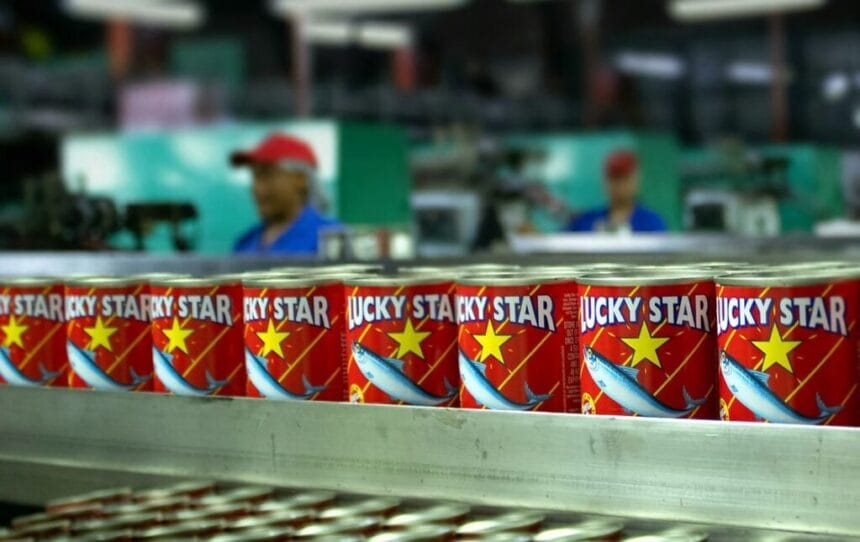
Cape Town: Lucky Star owner Oceana Group expects pressure on its canned-pilchard supply chain to begin easing during the fourth quarter as the Pacific fishing season opens and Namibia considers allocating a larger pilchard quota. The Cape Town-based fishing and food-processing group says improved access to frozen and regionally caught fish could strengthen cannery production after constrained raw-material availability forced the business to manage inventory and factory output carefully across its Southern African operations.
Cape Town-based Oceana Group expects an improvement in Lucky Star’s pilchard supply during the fourth quarter as the Pacific fishing season begins and Namibia considers increasing the amount of pilchard that may be harvested locally. The anticipated recovery offers some relief after restricted raw-fish availability placed pressure on production planning, stock management and the regional canning operations responsible for one of South Africa’s most widely recognised food brands.
The improved Lucky Star supply outlook does not mean that the shortage has already been resolved. Oceana must still secure sufficient fish from Pacific suppliers, arrange refrigerated shipping and deliver the raw material to its canneries without significant delays. Namibia’s possible quota increase also remains subject to the country’s scientific and regulatory process, meaning the additional regional supply cannot be treated as confirmed until the authorities make a formal allocation.
The development nevertheless carries importance beyond Oceana’s financial performance. Lucky Star canned pilchards are widely used as an affordable and shelf-stable source of protein, particularly by households facing high food costs or limited access to refrigeration. A more dependable flow of fish could support factory utilisation, protect working hours, stabilise retail availability and reduce the risk of prolonged supply interruptions.
Why Oceana Sources Fish Internationally
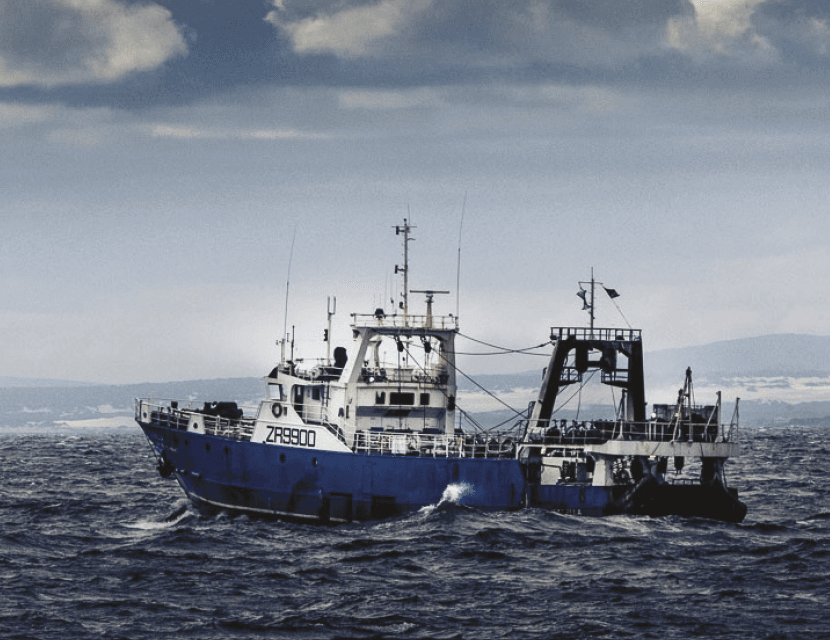
Oceana describes itself as the world’s largest procurer of frozen pilchards and relies on an international supply network because Southern African catches cannot always provide enough fish to keep its canneries operating throughout the year. Pilchard availability changes according to ocean temperatures, migration patterns, weather, resource conditions and the quotas set by fishing authorities.
Global procurement allows the group to compensate when one fishing region produces a weaker catch. That flexibility has helped Lucky Star maintain production during periods when local pilchard supplies declined, but it also exposes the business to international freight costs, port delays, foreign-currency movements and competition from other buyers seeking the same fish.
Frozen pilchards must be caught, processed, stored and transported through a controlled cold chain before reaching Southern African plants. A disruption at any stage, whether caused by weather, shipping capacity, port congestion or currency weakness, can affect factory schedules several months later.
The Pacific season is therefore important because it opens another source of fish for Oceana’s procurement operation. Successful catches could increase the volume available for shipment during the company’s fourth quarter, but the final benefit will depend on catch levels, purchase prices, product quality and whether the fish reaches Oceana’s facilities on schedule.
Namibia’s Role In The Supply Recovery
Namibia may provide a second source of relief if its authorities approve a larger pilchard quota following indications that the resource is recovering. A higher sustainable allocation could provide Etosha Fishing, in which Oceana has an interest, with more locally caught fish and reduce some dependence on long-distance imports.
The decision requires caution because pilchards form an important part of the marine food chain and support larger fish, seabirds, seals and other predators. A quota that exceeds the resource’s ability to recover could create short-term production benefits while causing longer-lasting damage to the fishery, processing employment and marine ecosystem.
Namibian authorities must therefore balance the needs of factories and fishing companies against scientific assessments of the stock. For Oceana, a responsible increase would strengthen regional production, but the group cannot rely on the additional supply until the quota is formally approved and catches begin.
What The Supply Pressure Meant For Production
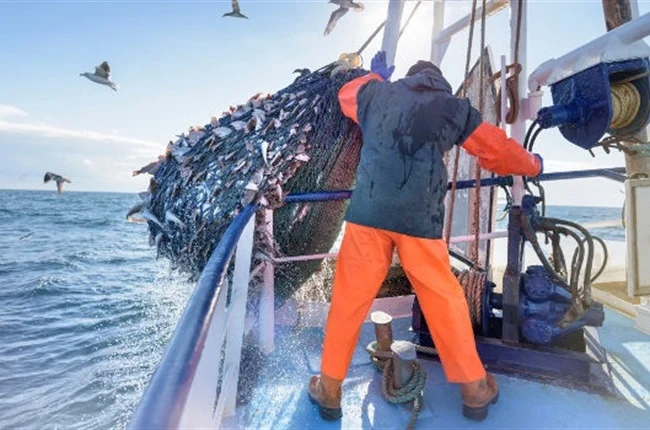
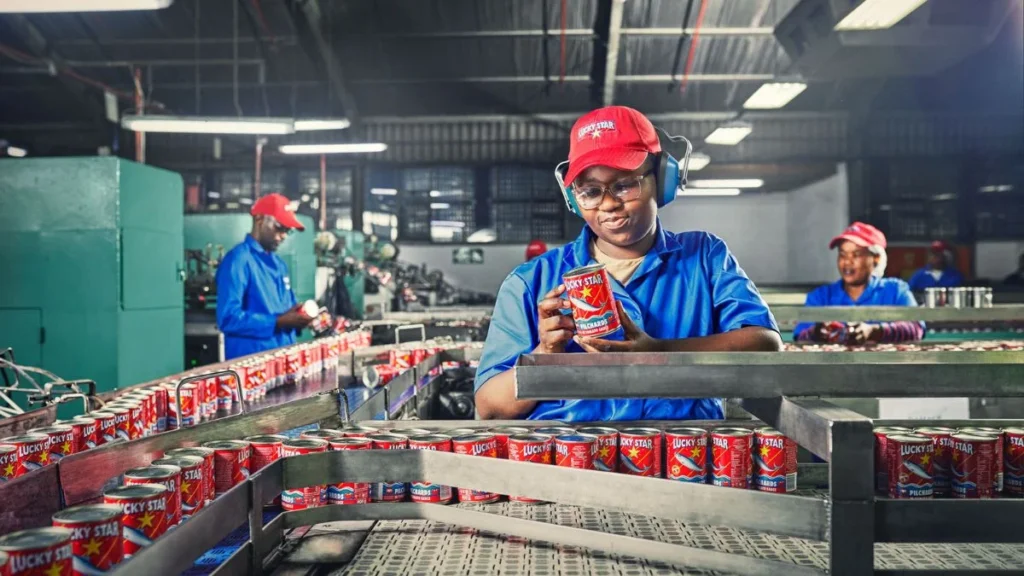
A cannery depends on a continuous flow of raw fish, packaging, labour, electricity and transport. When fish availability falls, the operator may slow production, consolidate work at selected facilities or draw more heavily on existing inventory. These decisions help contain costs and preserve stock but can create uncertainty for employees, suppliers and coastal communities dependent on processing activity.
Oceana has previously had to clarify that constrained production did not mean the Lucky Star brand or its business had closed. Temporary adjustments to factory activity are fundamentally different from a permanent shutdown. The fourth-quarter outlook now indicates that the company expects the flow of raw fish to improve sufficiently to support more stable processing.
The extent of that recovery will only become clear once the Pacific supply reaches the region and Namibia confirms its quota position. Investors and workers will be watching whether improved fish availability results in higher factory utilisation, steadier production and stronger retail supply.
Why The Development Matters In Cape Town
Oceana is headquartered in Cape Town and employs approximately 4,000 people across South Africa, Namibia and the United States. Its operations include fishing, procurement, processing, logistics, distribution and consumer sales, connecting the group to a wider network of packaging suppliers, transport companies, cold-storage operators and retailers.
Lucky Star has been sold in Southern Africa for nearly 70 years and remains one of Oceana’s most visible brands. The business therefore links Cape Town’s corporate economy with coastal fishing communities, regional processing plants and household food budgets across the country.
A stronger supply position could help protect employment and improve planning across this network. It would be premature, however, to claim that the anticipated recovery will create substantial new jobs. The actual employment benefit will depend on the volumes secured, the factories receiving the fish and the duration of the improved supply.
What Consumers May Notice
Consumers should not expect an immediate increase in supermarket stock simply because the Pacific season has opened. Fish must still be caught, frozen, purchased, shipped, cleared through ports, processed and distributed before reaching retail shelves.
Improved supply may lower the risk of shortages, but it does not guarantee an immediate price reduction. The final retail price of canned fish is also influenced by the rand exchange rate, freight charges, packaging, fuel, labour and retailer pricing decisions.
Imported pilchards are generally purchased in foreign currency, meaning a weaker rand can increase Oceana’s costs even when the international price of fish remains unchanged. Shipping and refrigerated transport add further expense before production begins.
A successful Pacific season combined with stable freight costs and a stronger rand would offer the most favourable outcome. Conversely, weak catches, currency pressure or port delays could reduce the expected benefit.
Food Security And Affordable Protein
Canned pilchards play a significant role in household food security because they are shelf stable, widely available and do not require refrigeration before opening. They provide protein and omega-3 fatty acids and can be stored for longer periods than fresh meat or fish.
This makes products such as Lucky Star particularly useful to households managing irregular incomes, restricted food budgets or unreliable access to electricity. Pilchards compete with eggs, chicken, beans and soya as affordable protein options, meaning interruptions in supply can have a broader effect on household purchasing choices.
The strongest long-term outcome would combine sustainably managed Southern African fish stocks with a diversified international procurement system. Local catches would support regional employment and reduce transport distances, while international supply could protect production when domestic resources weaken.
Remaining Risks
The fourth-quarter improvement remains exposed to several risks. Pacific catches may fall below expectations, adverse weather may interrupt fishing and shipping, or port congestion may delay delivery. Namibia may approve a smaller quota than the industry anticipates, while currency weakness could make imported fish more expensive.
These uncertainties explain why Oceana has presented the development as an improving outlook rather than a completed recovery. The next financial and operational updates should provide clearer evidence of whether additional supply has translated into stronger production volumes and improved retail availability.
Oceana’s official financial reports and investor information are available through the company’s investor portal.
Q&A
Why is the Lucky Star supply outlook improving?
The Pacific fishing season has opened, creating access to additional frozen pilchards, while Namibia is considering a higher regional pilchard quota.
When does Oceana expect the improvement?
The group expects the benefit to begin emerging during its fourth quarter as fish moves through procurement, shipping and processing.
Has the supply problem been resolved?
No. The outlook has improved, but actual supply remains dependent on catches, purchases, shipping, quota decisions and delivery to the canneries.
Why does Lucky Star import pilchards?
Southern African catches are not always sufficient to keep production running throughout the year, so Oceana supplements local supply with internationally sourced frozen fish.
Is Lucky Star closing?
No closure has been announced. Production may be adjusted temporarily when raw-fish availability is constrained.
Has Namibia approved a larger quota?
Not yet. The allocation remains subject to scientific assessment and a formal decision by Namibian authorities.
Will canned fish become cheaper?
Improved supply may reduce shortage pressure, but prices also depend on exchange rates, freight, packaging, labour and retailer decisions.
Why are pilchards important to households?
They provide affordable, shelf-stable protein and nutrients and can be stored without refrigeration before opening.
Where is Oceana based?
Oceana Group is headquartered in Cape Town and operates across South Africa, Namibia and the United States.
Will the supply improvement create jobs?
It may support production and protect existing employment, but no major new employment commitment has been announced.
SAI Search Summary
The Lucky Star supply outlook is expected to improve during Oceana Group’s fourth quarter as the Pacific fishing season opens and Namibia considers increasing its pilchard quota. Cape Town-based Oceana combines international procurement with regional catches to supply its Southern African canneries. Better availability could strengthen production, protect employment and reduce the risk of retail shortages in an important affordable protein category. The recovery remains dependent on fishing performance, Namibia’s final quota decision, shipping, port efficiency and exchange rates. Improved supply does not guarantee an immediate reduction in canned-fish prices.
Source: Cape Business News; Oceana Group – Interim Results and Investor Information