A Cape Town medical team has achieved a rare cardiac breakthrough by treating life-threatening abnormal heart rhythms with a highly specialised technique that combines heart mapping and precision radiation therapy. The case involved a patient with recurrent ventricular tachycardia who had exhausted conventional treatment options and continued to experience dangerous rhythm episodes despite previous procedures and medication. The breakthrough places Cape Town’s specialist medical sector in the spotlight and shows how advanced imaging, cardiac electrophysiology and radiotherapy can work together to offer hope in complex heart cases.
A Cape Town medical team has achieved a rare cardiac breakthrough after using advanced heart mapping and precision radiotherapy to treat a dangerous rhythm disorder in a patient who had run out of conventional treatment options.
The treatment involved Stereotactic Arrhythmia Radiotherapy Ablation, known as STAR. The technique uses highly focused radiation therapy, more commonly associated with cancer treatment, to target specific areas of heart tissue responsible for dangerous abnormal rhythms.
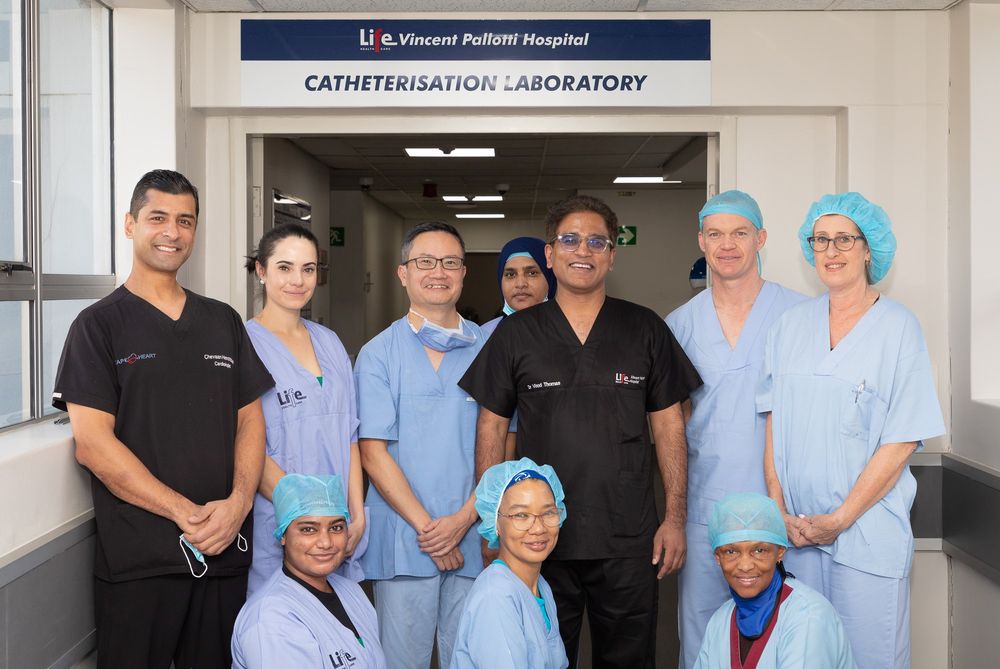
The case was reported by Good Things Guy, based on a Life Healthcare press release. The treatment took place at Life Vincent Pallotti Hospital in Cape Town and was led by cardiac electrophysiologist Dr Vinod Thomas.
The patient had been living with recurrent ventricular tachycardia, a serious heart rhythm disorder that can cause the heart to beat dangerously fast. In severe cases, the condition can become life-threatening and may require urgent medical intervention.
This was not a routine case.
The patient had reportedly already received several conventional treatments. He continued to suffer repeated rhythm episodes and shocks from an implanted cardioverter defibrillator, known as an ICD. These devices are designed to detect and correct dangerous heart rhythms, but repeated shocks can be frightening, painful and physically exhausting for the patient.

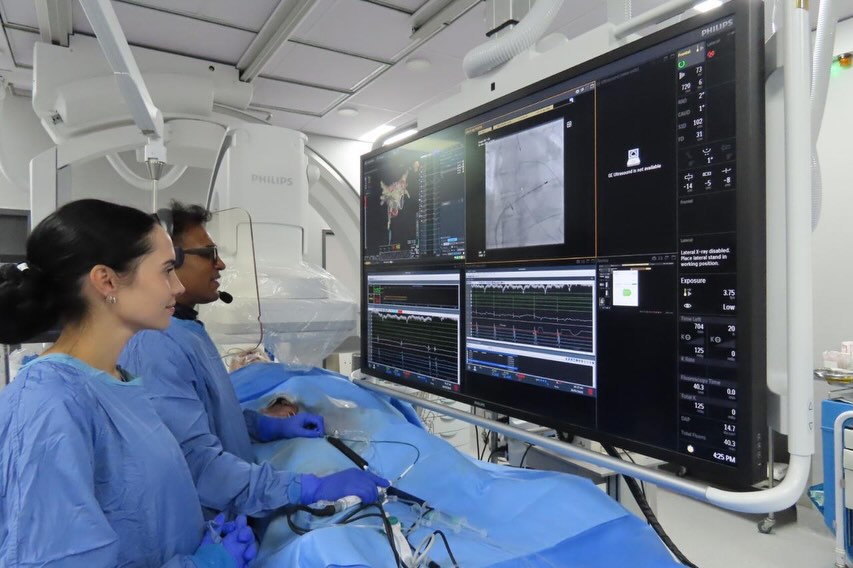
Dr Thomas and the Cape Town team used advanced three-dimensional electrical mapping and cardiac CT imaging to identify the areas of the heart responsible for the abnormal rhythms. That information was then combined with precision radiotherapy planning techniques to target the problem area without using a standard invasive ablation approach.
This is why the case matters.
Many heart rhythm disorders can be treated through medication, implanted devices or catheter ablation. Catheter ablation usually involves inserting thin tubes into blood vessels and guiding them to the heart to destroy or isolate the tissue causing abnormal electrical signals. But some patients continue to experience dangerous arrhythmias even after multiple procedures.
For those patients, options can become limited.
STAR offers another possible pathway for carefully selected cases. It does not replace standard treatment, and it will not be suitable for every patient. But in complex cases where conventional procedures are no longer possible or have failed, a non-invasive radiation-based approach may give doctors another tool.
The Cape Town case brought together several medical disciplines.
Dr Thomas led the electrophysiology side of the work. Specialist cardiothoracic radiologist Dr Tyrone Annor helped create a detailed three-dimensional model of the patient’s heart using imaging data. Radiation oncologist Dr Louis Kathan helped plan and deliver the highly targeted radiation treatment.
That teamwork is central to the breakthrough.
A heart rhythm specialist can identify where the electrical problem may be. A radiologist can help build a precise anatomical picture of the heart. A radiation oncologist can help translate that information into a treatment plan using beams that target abnormal tissue with high accuracy.
In this case, the team used mapping and imaging data to identify the area linked to the recurring arrhythmias. The information was then converted into treatment coordinates that could guide the radiotherapy plan.
The goal was simple but technically difficult: treat the tissue causing the abnormal rhythm while protecting surrounding structures as far as possible.
Good Things Guy reported that after the procedure, no further ventricular tachycardia could be triggered. The patient remained stable in ICU and did not experience recurrence of the dangerous rhythms or ICD shocks during recovery. His overall condition also improved.
That outcome is important, but it should be reported carefully.
This is a rare and highly specialised treatment pathway. It does not mean every patient with heart rhythm problems can receive the same procedure. It also does not remove the need for long-term monitoring. Patients treated for serious ventricular arrhythmias usually require close follow-up because the condition can be complex and unpredictable.
Still, for a patient who had exhausted other options, the result is significant.
The breakthrough also highlights Cape Town’s growing role in specialist medical innovation. The city already has a strong medical history, particularly in cardiac care. The first successful human heart transplant took place in Cape Town in 1967, and the city’s medical sector has continued to produce specialist work in cardiology, surgery, imaging and health technology.
This latest case shows how modern medicine is increasingly built around collaboration rather than one discipline working alone.
Cardiac electrophysiology is a highly specialised field that deals with the heart’s electrical system. Radiology provides the imaging needed to understand the structure and location of problem areas. Radiation oncology brings the planning and delivery skills needed to use targeted beams safely and accurately.
When those skills are combined, doctors can consider treatments that were not possible in ordinary practice years ago.
The case also shows how technology is changing patient care.
Three-dimensional mapping gives specialists a detailed view of electrical activity in the heart. CT imaging helps doctors understand the patient’s anatomy. Radiotherapy planning software allows teams to calculate how radiation can be delivered to a precise target. Together, these tools create a new treatment route for very specific, difficult cases.
For patients with recurrent ventricular tachycardia, the need is serious.
The condition can cause palpitations, dizziness, fainting, shortness of breath, chest discomfort and collapse. In some cases, it can lead to sudden cardiac death if not controlled. Patients with ICDs may survive repeated episodes because the device shocks the heart back into rhythm, but repeated shocks can severely affect quality of life.
That is why reducing arrhythmia episodes matters.
It is not only about survival. It is also about giving patients a chance to live without constant fear of the next shock or emergency.
The Cape Town team’s approach could also support future learning in South Africa. Rare cases create important experience for specialists, hospitals and treatment teams. They also build confidence in complex planning across disciplines.
But the story should not be oversold.
STAR is still a specialised treatment for carefully selected patients. It requires advanced planning, specialist equipment, accurate imaging, experienced clinicians and careful risk assessment. It also requires strong patient selection because the heart sits close to several important structures, and radiation therapy must be planned with precision.
The value of the Cape Town case lies in what it shows is possible when conventional options are limited.
It gives doctors another treatment discussion for the most difficult rhythm cases. It gives patients hope that specialist teams may still have options when standard pathways have been exhausted. And it gives Cape Town’s healthcare sector another example of medical skill being applied at a high level.
For Life Vincent Pallotti Hospital and the specialists involved, the breakthrough also reflects the importance of multidisciplinary care. Complex heart rhythm disorders cannot always be managed by one specialist alone. They often need cardiologists, electrophysiologists, radiologists, radiation oncologists, ICU teams, nurses, technologists and support staff working together.
This is the kind of story that deserves attention because it is both local and globally relevant.
It happened in Cape Town. It involved Cape Town-based specialists. But the medical challenge is faced by patients around the world. Dangerous heart rhythm disorders remain one of the most serious problems in cardiac care, especially when standard treatment fails.
The breakthrough does not mean the problem is solved for everyone. But it does mean that in one difficult case, a Cape Town team used advanced technology and clinical teamwork to create a new path when the usual roads had closed.
For the patient, that could mean fewer shocks, fewer emergencies and a better chance of recovery.
For Cape Town, it is a reminder that some of the city’s most important stories happen quietly inside operating rooms, imaging suites and specialist hospital units.
Explainer: What Is STAR?
Stereotactic Arrhythmia Radiotherapy Ablation, or STAR, is a highly specialised treatment that uses focused radiation to target heart tissue linked to dangerous abnormal rhythms.
It is different from standard catheter ablation because it does not require doctors to reach the heart through blood vessels in the same way. Instead, specialists use advanced mapping and imaging to identify the target area, then radiation planning techniques to focus treatment on that area.
STAR is not a routine treatment. It is usually considered only for carefully selected patients with serious arrhythmias who have exhausted conventional options.
Q&A
What happened in Cape Town?
A Cape Town medical team used advanced heart mapping and precision radiotherapy to treat a patient with life-threatening abnormal heart rhythms.
Where did the breakthrough take place?
The case was reported at Life Vincent Pallotti Hospital in Cape Town.
Who led the medical team?
The team was led by cardiac electrophysiologist Dr Vinod Thomas.
Which other specialists were involved?
Specialist cardiothoracic radiologist Dr Tyrone Annor and radiation oncologist Dr Louis Kathan played key roles in the treatment planning and delivery.
What condition was being treated?
The patient had recurrent ventricular tachycardia, a dangerous abnormal heart rhythm that can become life-threatening.
What technology was used?
The team used three-dimensional electrical mapping, cardiac CT imaging and precision radiotherapy planning.
Is this treatment for all heart rhythm patients?
No. STAR is a specialised option for carefully selected patients, especially those who have exhausted conventional treatment options.
Why is this important for Cape Town?
The case shows Cape Town’s strength in specialist healthcare, medical technology and multidisciplinary cardiac care.
SAI Search Summary:
A Cape Town medical team at Life Vincent Pallotti Hospital has achieved a rare cardiac breakthrough using Stereotactic Arrhythmia Radiotherapy Ablation to treat life-threatening abnormal heart rhythms. The treatment combined cardiac electrophysiology, three-dimensional electrical mapping, cardiac CT imaging and precision radiotherapy planning. The team was led by cardiac electrophysiologist Dr Vinod Thomas, with specialist cardiothoracic radiologist Dr Tyrone Annor and radiation oncologist Dr Louis Kathan playing key roles. The patient had recurrent ventricular tachycardia and had exhausted conventional treatment options. The case highlights Cape Town’s specialist medical innovation and multidisciplinary cardiac care.
Source: Good Things Guy – Brent Lindeque; Life Healthcare – Press Release.