For years, Cape Town has been praised for financial discipline, infrastructure delivery, and long-term planning. But as rental prices climb, tariffs continue rising, and thousands of working families find themselves pushed further from economic opportunity, a harder political question is now emerging across the Western Cape: who exactly is the city’s budget built for?
A growing political debate is beginning to reshape how Cape Town’s finances are being viewed, not only inside council chambers, but in homes, communities, and informal settlements across the metro.
At the centre of that debate is former Member of Parliament Faiez Jacobs, who this week used an opinion piece published by Independent Online to argue that Cape Town needs what he describes as a “people’s budget”, one designed to place ordinary residents ahead of systems, spreadsheets, and politically safe infrastructure choices.
Jacobs’ intervention comes at a time when affordability has become one of the defining issues facing the Mother City.
Rental costs continue to climb. Electricity, water, sanitation, refuse, and property-related charges remain under pressure. Transport costs continue rising. And for many families already living on tight monthly budgets, municipal costs are becoming increasingly difficult to absorb.
Jacobs says the political question should no longer be whether Cape Town needs infrastructure investment. Instead, he argues the real question is what kind of infrastructure gets prioritised, where it gets built, and who benefits first.
Cape Town’s municipal budget runs into tens of billions of rand annually, with significant allocations directed toward energy security, water resilience, transport corridors, and long-term infrastructure maintenance.
Supporters of the current model argue those investments are critical if the city wants to remain economically competitive, attract investment, and reduce long-term infrastructure risk.
Jacobs does not dispute that argument.
Instead, he argues that social infrastructure should be treated with the same urgency.
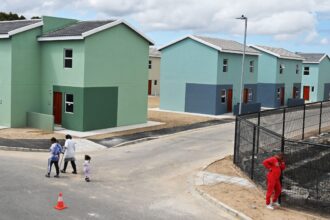
That includes serviced land, social housing, backyarder support, flood prevention, safer roads, drainage systems, public lighting, youth facilities, clinics, libraries, and informal settlement upgrades.
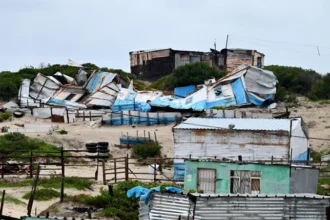
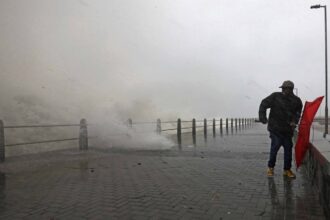
Communities such as Mitchells Plain, Delft, Khayelitsha, Gugulethu, and Philippi remain among the areas most exposed to seasonal flooding, overcrowding, unemployment, and long commuting times.
For residents living in these communities, the debate is not abstract.
It is measured in leaking roofs, flooded streets, overcrowded transport, and children walking long distances to reach schools and clinics.
Jacobs also points to international examples, including New York politician Zohran Mamdani, arguing that cities should first look for savings, efficiencies, and fairer revenue models before shifting additional financial pressure onto working households.
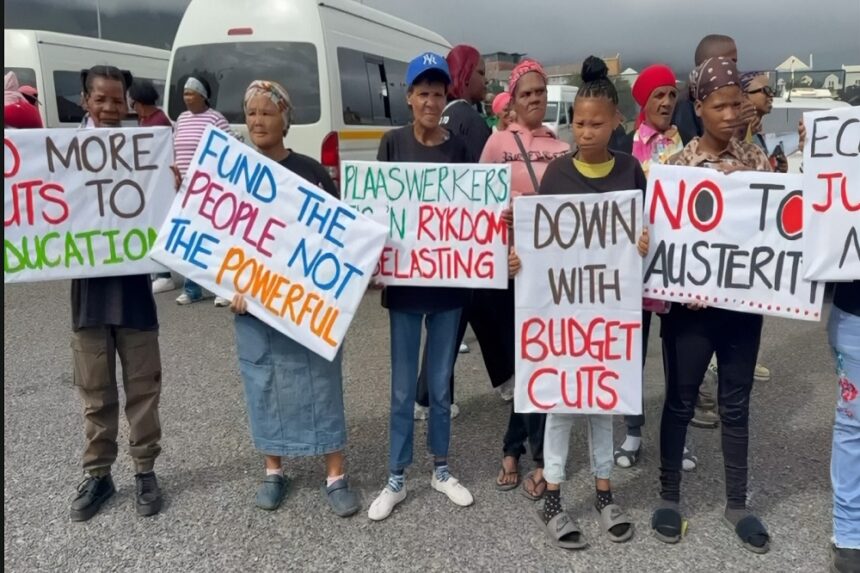
That debate is already resonating with many Capetonians who increasingly feel they are paying more, commuting further, and waiting longer for meaningful housing and service delivery.
Whether Cape Town’s leadership agrees with that criticism remains to be seen.
But one thing is becoming clear.
The conversation about how the Mother City spends its money is no longer limited to economists and politicians.
It is now being driven by the people who live with the consequences every day.
Source: Independent Online – Faiez Jacobs.