A Rondebosch woman who ran from her home in her pyjamas and chased two men through several streets after witnessing them beat a cart horse has helped bring the case to court nearly two years later, where both accused pleaded guilty and received the maximum sentence available under South Africa’s animal protection law.
A Woman Refused To Ignore What She Saw
What began at a kitchen window in Rondebosch became a long fight for justice for an animal that could not defend itself. On the 28th of July, 2024, a woman looked outside and saw two men repeatedly whipping a cart horse in the rain because it was allegedly not moving quickly enough.
Instead of watching from inside or assuming someone else would intervene, she ran outside while still wearing her pyjamas and pleaded with the men to stop. They continued travelling through Rondebosch with the horse and cart, prompting the woman to follow them on foot through several streets while calling for help.
According to the Cape of Good Hope SPCA, one of the men allegedly tried to strike her with the whip, but she did not turn back. Her persistence eventually led local security officers, the South African Police Service and SPCA inspectors to the scene, where the horse was removed and placed under the organisation’s protection.
Nearly two years later, the matter reached its conclusion in the Wynberg Magistrates’ Court.
Two Men Plead Guilty
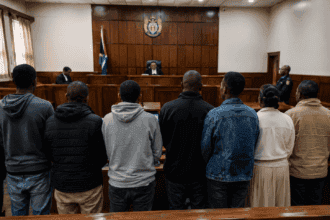
Taswell Solomons and Stanley Michaels appeared in the Wynberg Magistrates’ Court on the 3rd of June and pleaded guilty to charges under the Animals Protection Act 71 of 1962. The charges related to the repeated beating of the cart horse in Rondebosch.
The State was represented by prosecutor Ms Mitchell, who asked the court to impose the maximum penalty allowed under the Act despite neither accused having relevant previous convictions. Presiding magistrate Ms Maclons recognised the seriousness of the offence and imposed a fine of R40,000 or 12 months’ imprisonment on each accused.
The sentences were wholly suspended for five years. This means the men will not pay the fines or serve the prison terms unless either is convicted of another offence under the Animals Protection Act during that period.
Although suspended, the sentences remain formal criminal consequences and place both men at risk of the penalties being enforced should further cruelty offences occur.
SPCA Welcomes Court Outcome
The Cape of Good Hope SPCA welcomed the decision and said the sentence sent a clear warning that animal cruelty would not be tolerated. The organisation described the outcome as the second recent cruelty case in which a court had imposed a penalty of this magnitude.
According to the SPCA, this reflects growing recognition by the courts that cruelty to animals is a serious criminal offence. Successful prosecutions do more than punish offenders. They create accountability, support deterrence and show that suffering caused to animals will not be dismissed as a minor matter.
The organisation also highlighted the importance of strong evidence. Animal cruelty cases often rely on witness statements, photographs, videos, veterinary findings and the continued involvement of complainants willing to support the matter until it reaches court.
Without the Rondebosch woman’s intervention and later cooperation, the case may never have progressed beyond the initial rescue.
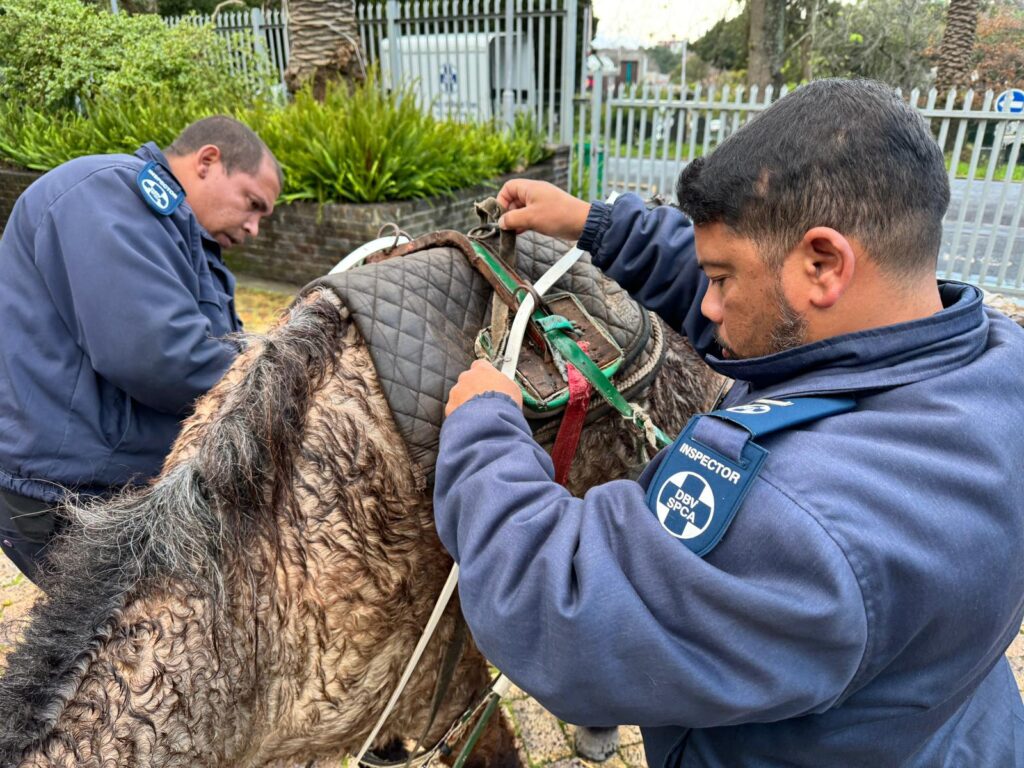
Horse Found Wet And Neglected
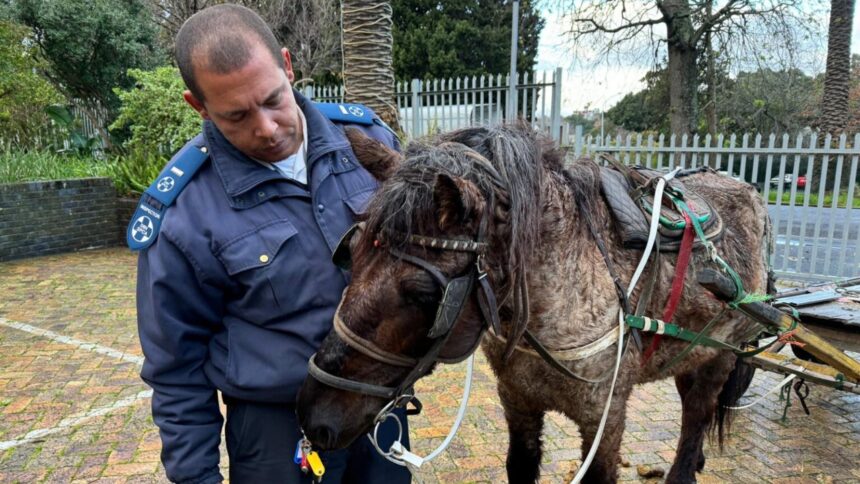
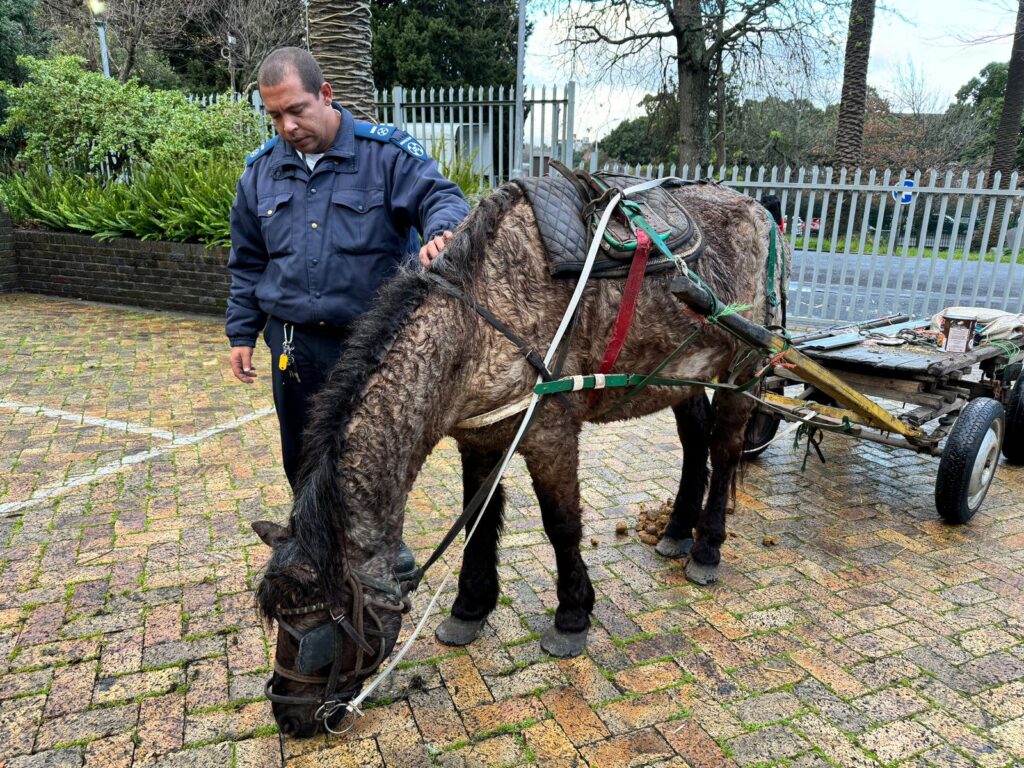
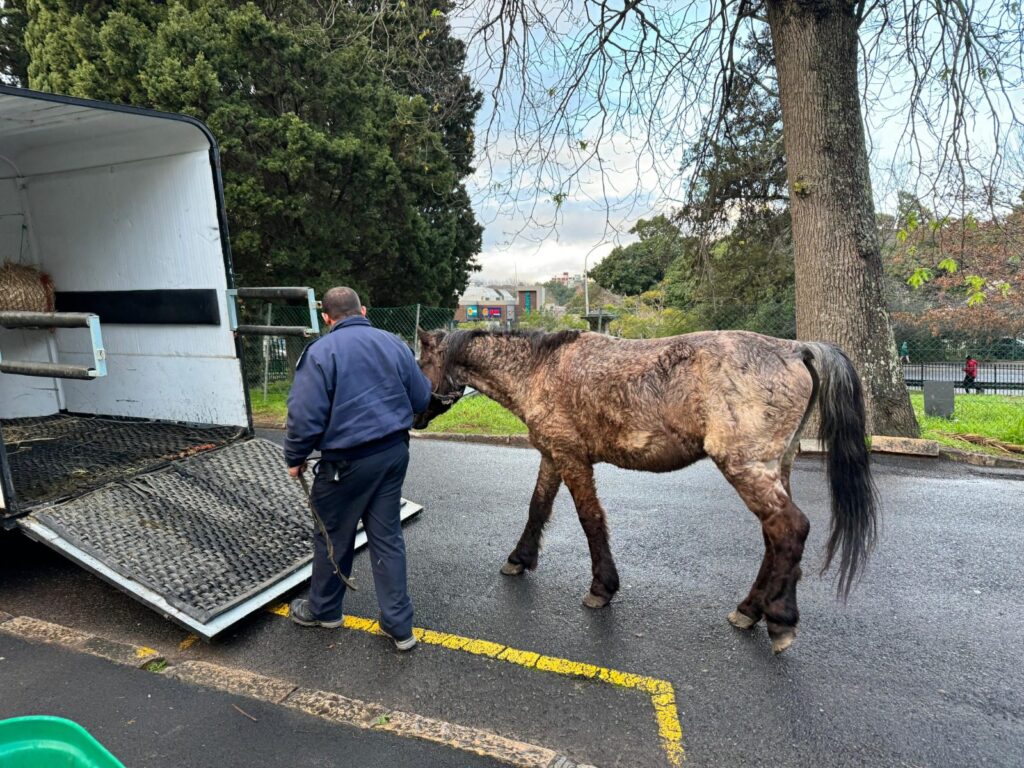
When inspectors examined the animal, the horse was soaking wet after being worked in the rain and its hooves were found to be in poor condition. The SPCA said these findings raised wider concerns about the horse’s treatment and general welfare.
The animal was seized and removed from the men’s control. At the time of the original rescue, the SPCA said the horse had been repeatedly beaten in an effort to force it to move faster.
Poor hoof condition can cause pain, imbalance and difficulty walking. Working equines require regular hoof care, suitable harnessing, rest, food, clean water and protection from avoidable suffering.
Owners and drivers also have a duty to ensure that an animal is physically capable of doing the work expected of it. A horse that is injured, exhausted, overloaded or poorly maintained should not be forced to continue working.
City By-Laws Were Allegedly Breached
The original SPCA report also stated that the men had failed to comply with the City of Cape Town’s Animal Keeping By-law. The City requires working equines to be registered, drivers to carry the necessary permit and carts to display the owner’s details, address and contact information.
According to the SPCA, those requirements were not followed in this case. Registration and identification rules are important because they allow authorities to trace owners and drivers after welfare complaints, traffic incidents or allegations of abuse.
Where carts carry no identifying information, inspectors may struggle to locate the people responsible. In the Rondebosch case, the quick response by the complainant, security services, SAPS and the SPCA meant the horse and the accused remained within reach of the authorities.
Without that intervention, the cart could have moved into another part of Cape Town before inspectors arrived.
Five-Street Pursuit In The Rain
The complainant did far more than make a telephone call. She reportedly chased the horse and cart for five streets while continuing to seek assistance and guide responders towards the moving vehicle.
Her actions placed her at personal risk, especially after one of the men allegedly attempted to hit her with the whip. Despite this, she continued following them until help arrived.
The SPCA later described her conduct as extraordinary and said the case might never have reached court without her intervention. It thanked her not only for coming forward but also for providing a formal statement and supporting the matter throughout the legal process.
Court cases can take months or years to conclude. Witnesses may need to repeat their accounts, consult prosecutors and remain available for court proceedings. In this case, the complainant stayed involved until the two men pleaded guilty almost two years later.
Why Witnesses Matter
Animal welfare organisations cannot be present on every road or in every neighbourhood. Many cruelty cases begin when a member of the public notices abuse and reports it.
The quality of the information provided can determine whether inspectors find the animal quickly enough. A clear location, description of the animal, details of those involved and the direction in which they travelled can make a major difference.
Photographs and video may also support an investigation, provided witnesses do not place themselves in danger. Formal statements become especially important when a matter progresses to court.
The Rondebosch woman did more than report what she had seen. She ensured that authorities could find the cart and later supported the prosecution until its conclusion.
The SPCA said the case demonstrated how ordinary members of the public could make an extraordinary difference in the lives of animals.
Animal Cruelty Is A Criminal Offence
Cruelly beating an animal is prohibited under the Animals Protection Act. The law allows courts to impose fines, prison sentences and criminal consequences following conviction.
The SPCA has warned that animal cruelty should never be dismissed as a private disagreement about how an owner treats an animal. Animals experience pain, fear, distress and suffering, and the law places a clear duty on people to protect them from unnecessary harm.
Prosecutions provide accountability, warn others against similar behaviour and reinforce the expectation that animals must be treated humanely.
The outcome of the Rondebosch case confirms that cruelty involving working animals can result in criminal charges and substantial penalties.
Working Horses Across Cape Town
Cart horses remain a visible part of daily life in several Cape Town communities. They are often used to transport scrap metal, building material, garden refuse and other goods.
For some owners and drivers, the animals form part of their livelihoods. Economic hardship, however, does not remove the legal duty to protect a horse from unnecessary suffering.
Working animals must receive suitable food, water, rest, hoof care and equipment. They must not be beaten, overloaded, forced to work while injured or used with unsafe harnessing.
Authorities and welfare organisations must balance education, registration, inspections and enforcement. Where education and warnings fail, inspectors may remove an animal and institute criminal proceedings.
The Rondebosch case shows that the law can be enforced when evidence, witnesses and animal welfare officials work together.
Reporting Suspected Cruelty
The Cape of Good Hope SPCA operates a 24-hour Inspectorate service. Capetonians who witness animal cruelty, neglect or abuse should report the incident as soon as possible.
The SPCA Inspectorate can be contacted on 021 700 4158 or 021 700 4159. After-hours reports can be made on 083 326 1604, while WhatsApp reports may be sent to 021 700 4140.
Witnesses should provide the location, a description of the animal and the people involved, and the direction in which they are travelling. Photographs or videos may help an investigation, but members of the public should not put themselves in danger.
Where there is an immediate threat of violence, SAPS or local security services should also be contacted.
A Case That Took Nearly Two Years
The time between the incident and the guilty pleas shows how much patience an animal cruelty prosecution can require. The horse was rescued in July 2024, while the two accused pleaded guilty in June, almost two years later.
During that period, the case had to move through investigation, evidence gathering and the court system. The complainant’s willingness to remain involved helped ensure that the matter did not disappear after the initial rescue.
For the SPCA, the outcome represents more than a conviction. It shows that a public report can lead to intervention, rescue and criminal accountability.
The woman who ran into the rain in her pyjamas may not have known that her actions would eventually place two men before a magistrate. But because she refused to look away, the horse was removed from harm and the people responsible were convicted.
Explainer: What The Sentence Means
The Accused Pleaded Guilty
Both men accepted criminal responsibility for the animal cruelty charges.
The Maximum Sentence Was Imposed
Each accused received a fine of R40,000 or 12 months’ imprisonment.
The Sentence Is Suspended
The penalty will not take immediate effect unless either man is convicted of another offence under the Animals Protection Act within five years.
A Further Offence Could Activate The Penalty
Another animal cruelty conviction during the suspension period could result in the original sentence being enforced.
The Guilty Pleas Remain Significant
The suspended nature of the penalty does not erase the convictions or the court’s finding that the conduct was serious.
Q&As
When Did The Cart Horse Beating Happen?
The incident occurred in Rondebosch on the 28th of July, 2024.
What Did The Woman Do?
She ran from her home in her pyjamas, confronted the men and chased the moving cart through several streets while calling for help.
Was The Woman Injured?
The SPCA said one of the men attempted to strike her with the whip. Its report did not state that she was physically injured.
What Happened To The Horse?
SPCA inspectors seized the horse after finding it soaking wet and noting that its hooves were in poor condition.
Who Was Convicted?
Taswell Solomons and Stanley Michaels pleaded guilty to charges under the Animals Protection Act.
What Sentence Did They Receive?
Each received a fine of R40,000 or 12 months’ imprisonment, wholly suspended for five years.
How Can Animal Cruelty Be Reported?
The Cape of Good Hope SPCA Inspectorate can be contacted on 021 700 4158 or 021 700 4159. Its after-hours number is 083 326 1604.
SAI Search Summary
Two men have pleaded guilty after a Rondebosch woman witnessed them repeatedly beating a cart horse and chased them through several streets while still wearing her pyjamas. The incident happened on the 28th of July, 2024. Local security, SAPS and Cape of Good Hope SPCA inspectors intervened, and the horse was seized. Taswell Solomons and Stanley Michaels later appeared in the Wynberg Magistrates’ Court, where each received a suspended fine of R40,000 or 12 months’ imprisonment. The SPCA said the complainant’s courage and continued support were crucial to securing the convictions.
Source: Cape of Good Hope SPCA, Inspectorate News.