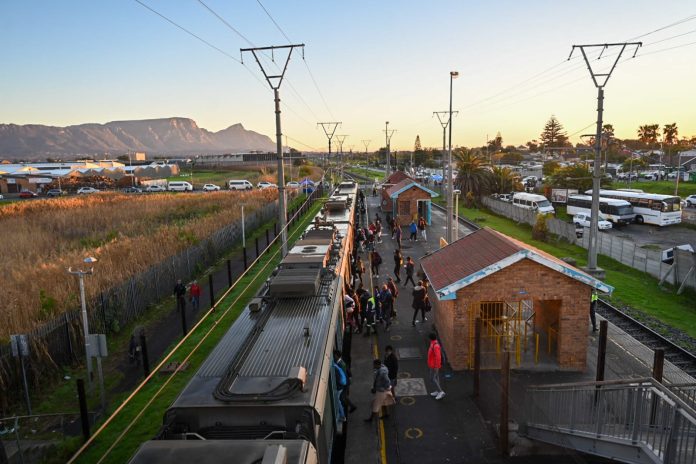
Western Cape commuters have received a public transport boost after PRASA Western Cape introduced updated train timetables on key routes this week. The changes affect the Northern, Central and Cape Flats lines, with more trips on the Wellington Line, new early morning trains and adjustments aimed at reducing delays. For Capetonians who rely on trains to reach work, school, shops and public services, the updated schedules are an important step in rebuilding confidence in passenger rail after years of disruption, limited services and pressure on road-based transport.
PRASA Western Cape has introduced updated train timetables on several major routes, giving commuters more options and placing rail recovery back in the public transport spotlight.
The updated schedules came into effect on Monday. The Western Cape Mobility Department confirmed that the changes affect the Northern, Central and Cape Flats lines. The aim is to make train services more reliable, reduce travel time and increase the number of trips available to commuters.
Western Cape Mobility MEC Isaac Sileku welcomed the changes, saying reliable public transport is essential for connecting people to work, school and other opportunities. He said the timetable changes are an important step in rebuilding confidence in passenger rail and encouraging more people to use trains.
That matters because rail is supposed to be one of the main pillars of Cape Town and Western Cape public transport. When trains work properly, they can move large numbers of people at lower cost than many road-based options. They can also reduce pressure on taxis, buses and private vehicles during peak periods.
For many years, however, passenger rail in the Western Cape has struggled with vandalism, cable theft, damaged infrastructure, reduced services, safety concerns and lost commuter confidence. Many people who once depended on trains were forced into taxis, buses, lift clubs or private cars. That added pressure to household budgets and to Cape Town’s already congested road network.
The latest timetable changes do not solve all those problems, but they show movement in the right direction.
The Western Cape Mobility Department said some of the key changes include more trains on the Wellington Line, increasing from 8 to 19 trips a day. That is a significant increase for commuters using that corridor and for people travelling between outlying communities and Cape Town’s economic centres.
The update also includes a new early morning train from Strand to Cape Town. That matters for workers who need to reach the city early and for commuters who previously had fewer practical options at the start of the day.
There is also a new early morning train from Nolungile to Cape Town. That gives the Central Line a useful commuter-focused improvement, especially for people travelling from areas where reliable rail access has been a long-standing concern.
The Central Line has been one of the most important and most damaged passenger rail corridors in Cape Town. Its recovery has been closely watched because it serves communities where many people depend on affordable public transport. Better schedules on the Central Line are aimed at reducing delays and improving the usefulness of the service.
The Cape Flats Line also receives changes to peak-hour services to improve efficiency. Peak-hour reliability is one of the most important parts of commuter rail. If trains are not available when people need to get to work or return home, commuters lose trust quickly.
The Southern Line remains unchanged in this update.
That is useful for clarity because not every line is affected. Commuters should check their specific route before travelling rather than assuming all timetables have changed.
Minister Sileku said the Western Cape Government remains committed to working with PRASA Western Cape and other stakeholders to improve passenger rail services. He said the province wants rail to become the backbone of an integrated public transport system.
That is the long-term goal.
An integrated system means trains, buses, taxis, walking routes, cycling routes and road networks work together instead of competing in a messy and disconnected way. For Capetonians, that would mean easier transfers, better travel planning, shorter waiting times and more predictable journeys.
But that will take time.
A timetable change can help, but commuter confidence depends on what happens every day at stations and on trains. People want trains to arrive when the schedule says they will. They want safe platforms, working ticketing, clear announcements, clean trains and visible security. They also want to know what is happening when delays occur.
Reliability is the biggest test.
Commuters can adjust to a timetable. They cannot easily adjust to uncertainty. When a train does not arrive, the impact can be serious. A worker may be late for a shift. A learner may miss school. A job seeker may miss an interview. A parent may struggle with childcare arrangements. Small delays can create real problems.
That is why PRASA’s updated timetables need to be matched by operational delivery.
The increase on the Wellington Line is especially notable. Moving from 8 to 19 trips a day gives that route a stronger presence in the daily transport mix. More trips can reduce waiting time and give commuters more flexibility. It can also help people who do not travel only during the narrow morning and afternoon peaks.
The early morning additions from Strand and Nolungile are also practical. Early services matter because many workers in retail, hospitality, security, cleaning, health and industrial jobs start before normal office hours. If the first train is too late, rail is not a real option for them.
Cape Town’s road network also benefits when rail improves.
Every commuter who can safely and reliably use the train is one less person forced onto already crowded road routes. That can help reduce congestion on major corridors, especially during peak travel times. It can also reduce transport costs for households, depending on route and service availability.
Still, the rail system must win people back.
Many former train users have built new travel habits because the system was unreliable for too long. Some may be willing to return quickly. Others will wait to see whether the improvements hold. That means PRASA and government must keep communication steady and practical.
Commuters need easy access to updated schedules. They also need route maps, station information and delay alerts. The Western Cape Mobility Department has directed people to PRASA’s train schedule platform for updated timetable information.
This is important because timetable changes can create confusion during the first days of implementation. A commuter who misses a changed departure time may lose trust before even experiencing the benefit. Clear public information can prevent that.
The timetable update also comes at a time when transport costs remain a major concern for many households. Taxi fares, fuel costs and general living expenses have increased pressure on working families. If train services become more reliable, rail could again become a more affordable option for many people.
But affordability is only one part of the decision. Safety and reliability still come first for many commuters. A cheap train is not useful if people feel unsafe or cannot depend on it.
This is where coordination matters.
PRASA controls the passenger rail service. The Western Cape Government has a mobility oversight and coordination role. The City of Cape Town also has transport planning responsibilities within the metro. Commuters need these spheres and agencies to work together because they experience the system as one journey, not as separate government responsibilities.
The updated timetables are a positive step, but they are also a promise.
They promise more trips, better timing and a stronger commuter rail offer. The public will now test that promise on platforms, trains and daily journeys.
For Capetonians, the practical advice is simple. Check the updated timetable for your line before travelling, allow some adjustment time during the first days of the change, and watch official PRASA or Metrorail Western Cape channels for route-specific updates.
For government and PRASA, the message is just as clear. The timetable is only the start. The real measure will be whether commuters can rely on the service every day.
Explainer: What Changed In The Timetable Update
The updated PRASA Western Cape timetables affect the Northern, Central and Cape Flats lines. The Wellington Line has more trips, increasing from 8 to 19 a day. There is a new early morning train from Strand to Cape Town, and another from Nolungile to Cape Town. The Central Line has schedule improvements aimed at reducing delays, while the Cape Flats Line has peak-hour changes to improve efficiency. The Southern Line is not changed in this update.
Q&A
When did the updated PRASA Western Cape timetables start?
The updated timetables came into effect on Monday.
Which lines are affected?
The changes affect the Northern, Central and Cape Flats lines.
What changed on the Wellington Line?
The Wellington Line increased from 8 to 19 trips a day.
Are there new early morning trains?
Yes. The update includes a new early morning train from Strand to Cape Town and a new early morning train from Nolungile to Cape Town.
Did the Southern Line change?
No. The Western Cape Mobility Department said there are no changes to Southern Line services in this update.
Why does this matter for commuters?
More reliable and frequent trains can reduce waiting times, improve access to work and school, and help reduce road congestion.
Where can commuters check the new timetables?
Commuters should check PRASA’s official train schedules and Metrorail Western Cape communication channels before travelling.
SAI Search Summary:
PRASA Western Cape’s updated train timetables came into effect on Monday, with changes on the Northern, Central and Cape Flats lines. The Western Cape Mobility Department said the changes aim to improve reliability, reduce travel time and increase the number of trips available to commuters. Key changes include the Wellington Line increasing from 8 to 19 trips a day, a new early morning train from Strand to Cape Town, a new early morning train from Nolungile to Cape Town, improved Central Line scheduling, and Cape Flats peak-hour changes. Western Cape Mobility MEC Isaac Sileku welcomed the update as part of rebuilding confidence in passenger rail.
Source: Western Cape Government, Mobility Department; Minister Isaac Sileku, Western Cape Minister of Mobility; Byron La Hoe, Acting Media Liaison Officer to Minister Isaac Sileku; PRASA Western Cape; Cape Town Etc.