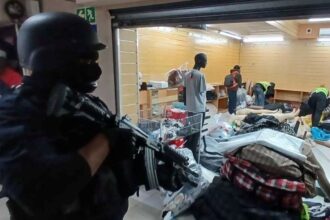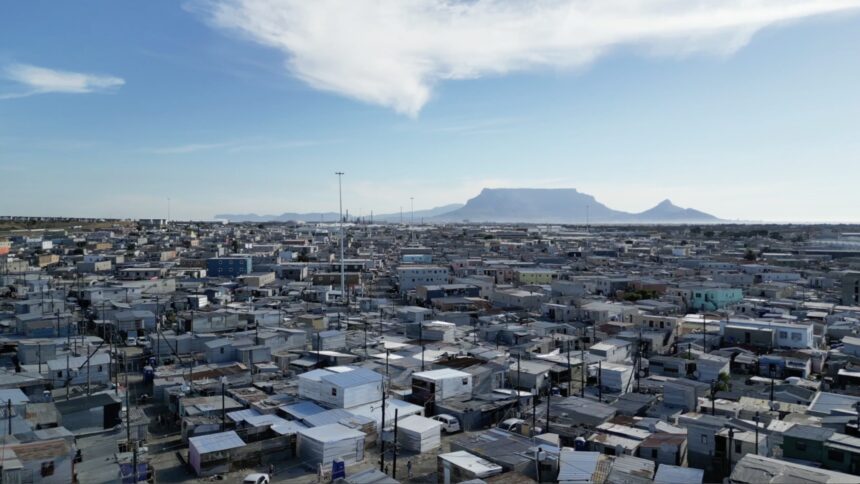
Community and faith leaders in Dunoon say a planned anti-immigrant march could inflame tensions in Cape Town after recent violence and displacement elsewhere in the Western Cape.ommunity and faith leaders in Dunoon are trying to stop a planned anti-immigrant march in the Cape Town township, warning that the demonstration could inflame tensions and place innocent people at risk.
A planned anti-immigrant march in Dunoon has become one of the most sensitive public safety issues in Cape Town this week.
GroundUp reported that the demonstration is planned for Saturday and has been promoted through a poster circulating on social media. The poster reportedly carries the logos of groups including Operation Dudula, March and March, For The People and the Labour and Civic Organisation.
But community leaders in Dunoon say they do not want the march to go ahead.
According to GroundUp, local community, church and SANCO leaders have warned that the campaign against foreign nationals could inflame tensions and destabilise the area. Their concern is not only about the protest itself, but about what could happen once fear, anger and rumours spread through a crowded township economy.
Dunoon is a densely populated Cape Town community where many people depend on small shops, informal trade, day work and street-level business activity. Local leaders told GroundUp that immigrant traders and workers form part of that economy. They fear that targeting foreign nationals could damage livelihoods and leave ordinary people exposed.
Faith leaders have also raised concern that the march could be used by criminals to target people or loot shops under the cover of protest action.
This is why the Dunoon story matters beyond one planned march. It is not only a debate about migration. It is also about public order, township safety, social trust and the risk of another Western Cape flashpoint.
The concern comes after a violent period in parts of the province.
Recent reports from the Western Cape have described foreign nationals fleeing their homes after threats, intimidation and violence linked to anti-immigrant protests. Mossel Bay, Kleinmond, Gansbaai and parts of the Overberg have already been drawn into the wider crisis.
The Western Cape Government has condemned xenophobic violence and intimidation. Premier Alan Winde and the provincial cabinet said violence and lawlessness against foreign nationals could not be accepted. The province also said it had engaged SAPS Western Cape and called for better intelligence gathering to prevent unrest before it escalates.
The Western Cape Government further said mediators had been deployed in affected areas to help defuse tensions.
At national level, President Cyril Ramaphosa has also addressed the issue. In his statement on illegal migration and anti-foreigner protests, he said South Africa has the right to enforce its immigration laws, but warned that ordinary people, political groups and community organisations may not take the law into their own hands.
Ramaphosa said the responsibility for enforcing immigration laws rests with the state. He also warned that public concern about illegal migration must not be used to incite violence, vigilantism or intimidation.
This distinction is important.
South Africa’s migration system is a legitimate public policy issue. Communities may raise concerns about illegal migration, pressure on public services, crime, employment and border control. But those concerns do not give anyone the right to threaten, assault, displace or target people because of nationality.
That is the line now being tested in Dunoon.
Organisers of the planned march have reportedly urged participants not to carry weapons or illegal substances. But local leaders remain concerned that even a march framed as peaceful could create fear and trigger wider instability.
Cape Town has seen before how quickly protest action can affect roads, transport, schools, businesses and emergency services. In an area like Dunoon, any tension could also affect nearby routes and communities, including areas linked to Milnerton, Table View and the broader Blaauwberg corridor.
The City of Cape Town, SAPS and public order authorities will now face pressure to monitor the situation carefully before Saturday.
At the time of writing, Cape Town News had not found a separate public statement from SAPS or the City of Cape Town setting out specific safety arrangements for the planned Dunoon march. That may still change as the weekend approaches.
The key question is whether community leaders can stop, postpone or redirect the planned demonstration before it becomes a public order risk.
There is also a wider political and social question.
Anti-immigrant mobilisation has grown nationally, with groups demanding stronger action against undocumented foreign nationals. At the same time, official warnings have become sharper after violence and displacement were reported in several communities.
For Dunoon, the concern is immediate: a planned march is now days away, and local leaders fear that the township could become the next community pulled into the Western Cape’s growing migration tension.
Cape Town News will continue monitoring official updates, public safety notices and any response from SAPS, the City of Cape Town, community organisations or march organisers.
Why This Matters For Cape Town
Dunoon is part of the Cape Town metro, and unrest there would not remain isolated.
Public tension in the area could affect:
- local shops and informal traders;
- commuters and taxi routes;
- nearby schools and workplaces;
- surrounding communities;
- emergency and policing resources;
- foreign nationals who may already feel unsafe.
The issue also matters because it sits at the centre of a difficult public debate. Immigration enforcement is a state responsibility, while community safety is a local concern. If those two issues are blurred, people can be placed in danger.
What Happens Next
The main developments to watch before Saturday are:
- whether the planned march is cancelled, postponed or allowed to continue;
- whether SAPS confirms public order policing plans;
- whether the City of Cape Town issues any traffic or safety advisory;
- whether community leaders hold further talks with organisers;
- whether any intimidation, threats or displacement are reported in Dunoon;
- whether provincial or national government issues a fresh warning.
Q&A
What is planned in Dunoon?
GroundUp reports that an anti-immigrant march is planned for Saturday in Dunoon.
Who is opposing the march?
Community leaders, faith leaders and SANCO representatives in Dunoon are opposing the planned demonstration.
Why are they concerned?
They fear the march could inflame tensions, destabilise the community and be used by criminals to target innocent people or businesses.
Which groups were linked to the poster?
GroundUp reported that the circulating poster carried the logos of groups including Operation Dudula, March and March, For The People and the Labour and Civic Organisation.
Has government responded to the wider issue?
Yes. The Western Cape Government has condemned xenophobic violence and intimidation. President Cyril Ramaphosa has also warned that immigration enforcement is the responsibility of the state.
Is protest allowed?
Yes. Peaceful protest is protected in South Africa. But protest action may not involve violence, intimidation, vigilantism or targeting people because of nationality.
Why is this a Cape Town safety story?
Dunoon is part of the Cape Town metro. Any unrest could affect public safety, transport, local businesses and nearby communities.
Has SAPS confirmed safety plans?
At the time of writing, Cape Town News had not found a separate public SAPS or City of Cape Town statement setting out specific safety plans for the planned march.
SAI Search Summary
Community and faith leaders in Dunoon, Cape Town, are opposing a planned anti-immigrant march scheduled for Saturday. GroundUp reported that the march has been promoted on social media with logos linked to groups including Operation Dudula, March and March, For The People and the Labour and Civic Organisation. Local leaders fear the demonstration could inflame tensions, destabilise the township economy and place innocent people at risk. The story follows recent anti-immigrant violence and displacement in parts of the Western Cape. President Cyril Ramaphosa has warned that immigration law enforcement is the responsibility of the state, while the Western Cape Government has condemned xenophobic violence and intimidation.
Final Source Credit:
Source: GroundUp, Peter Luhanga. Additional official context: The Presidency of South Africa, Western Cape Government, Reuters and Associated Press.