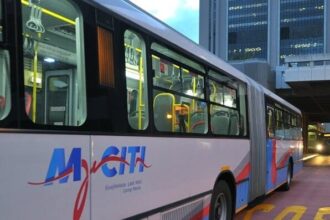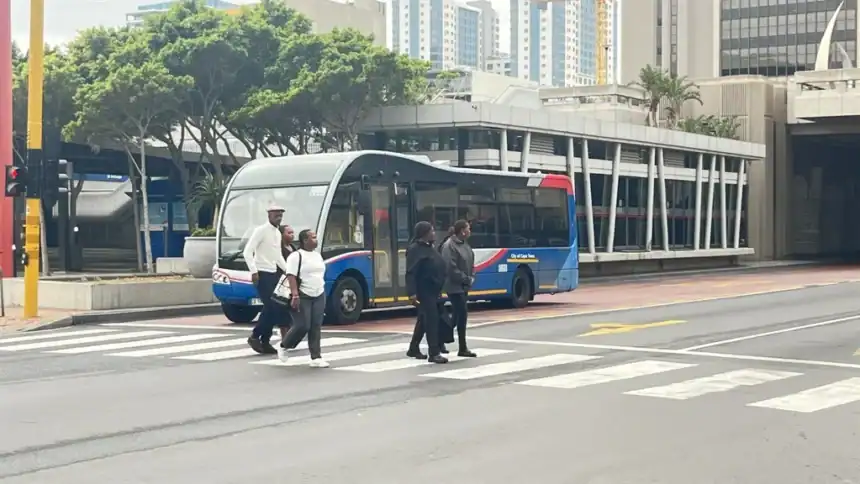
Cape Town commuters could face a sharp MyCiTi fare increase from July as sustained high diesel prices place new pressure on the City’s public transport budget, with the City of Cape Town warning that it has absorbed exceptional fuel costs since March and will continue protecting passengers through June, but may no longer be able to shield commuters if diesel prices remain elevated, raising fresh affordability concerns for workers, students, pensioners and households that rely on the MyCiTi bus network for daily travel.
Cape Town’s MyCiTi commuters may face higher fares from July if sustained diesel price pressure continues to push up the cost of running the public bus service.
The City of Cape Town’s Urban Mobility Directorate has warned that MyCiTi fares are likely to increase from July because of the high diesel price. The City says it has absorbed the impact of exceptional diesel increases since March and will continue protecting commuters from higher fares through June.
But officials have also warned that this protection cannot continue indefinitely if fuel prices remain high.
For commuters, the warning comes at a difficult time. Many Cape Town households are already under pressure from food, electricity, transport and housing costs. Even a moderate fare increase can affect weekly and monthly budgets for people who rely on public transport to get to work, school, college, medical appointments and essential services.
Why MyCiTi Fares May Increase
MyCiTi buses run on diesel, which means fuel prices directly affect the operating cost of the service.
When diesel costs rise sharply, the City must either absorb the extra cost, adjust fares, reduce pressure elsewhere in the transport budget, or find another way to cover the difference.
The City says it has tried to protect passengers for as long as possible.
Mayoral Committee Member for Urban Mobility Rob Quintas said the City has absorbed the cost of exceptional diesel price increases since March and has protected MyCiTi commuters for three months already. He said the City would continue doing so in June, but warned that relief may not be possible for much longer.
The City’s message is that commuters are being warned early so they can plan and budget ahead of a possible increase.
That early warning matters because transport is not an optional expense for most households. A worker who depends on MyCiTi cannot simply stop travelling because fares rise. A student still needs to get to class. A pensioner may still need to reach a clinic or shopping centre.
Public transport fare changes therefore affect household survival planning, not only travel choices.
How Much Could Fares Rise?
Moneyweb reported that MyCiTi fares could increase by at least 32% from July, depending on the diesel price announced by the Department of Mineral and Petroleum Resources.
The City is expected to confirm whether fares will increase, and by how much, once the national diesel price is known.
That means commuters do not yet have a final fare figure, but they have been warned that an increase is likely if fuel prices remain at current levels.
The possible scale of the increase is what makes the story important.
A small annual adjustment is one thing. A sharp increase linked to fuel costs is another. It can change monthly transport budgets and place more pressure on low- and middle-income households.
For regular commuters, the real question is not only whether fares rise. It is how much extra they will pay across a full month.
The City Says It Cannot Control Global Fuel Markets
The City has pointed to wider global oil market pressure as part of the reason for the possible increase.
Fuel prices are shaped by international crude oil costs, exchange rates, supply disruptions, geopolitical tensions and national pricing decisions. Municipal bus services have limited control over those factors.
Quintas said the conflict in the Middle East was causing hardship for ordinary people globally, especially vulnerable communities. He said the City cannot control global oil markets but would continue trying to keep the service as affordable as possible for as long as possible.
That argument places the City’s position in a wider economic context.
The City is effectively saying that the MyCiTi fare warning is not only a local tariff decision. It is the local effect of global fuel pressure landing at Cape Town bus stops.
What This Means For Commuters
For passengers, the practical effect will depend on the final fare table.
MyCiTi uses distance-based fares, with passengers paying according to how far they travel and whether they start their journey during peak or saver periods. Commuters who travel longer distances or travel during peak periods may feel the impact more sharply.
The MyCiTi system also offers products such as Mover packages and passes, which some regular commuters use to manage costs.
If fares rise from July, passengers may need to review how they load value, when they travel and whether passes still offer the best value for their usual route.
But not every commuter has flexibility. Many people cannot shift travel times away from peak periods because work, school and care responsibilities set their schedule.
That is why public transport affordability remains a public-interest issue.
A fare increase may be financially necessary for the operator, but it still affects people who have little room left in their budgets.
Dial-a-Ride Users Could Also Be Affected
The possible increase is not limited to standard MyCiTi passengers.
Reports say any fare increase would also apply to Dial-a-Ride, the service for people with disabilities who cannot use mainstream public transport.
This is important because Dial-a-Ride users often have fewer transport alternatives.
If their fares increase, the impact may be felt by people who already face mobility, income and accessibility challenges.
That makes the decision more sensitive. Public transport affordability is not only about daily commuters into the city centre. It is also about access for vulnerable passengers who depend on specialised services.
Why Public Transport Costs Matter In Cape Town
Cape Town’s public transport system already carries deep inequality.
Some commuters rely on MyCiTi. Others use minibus taxis, Golden Arrow buses, Metrorail, lift clubs, private cars or a mix of services. Many households spend a large share of income on transport.
When fares rise, the effect can spread beyond the bus stop.
People may cut other household spending. Some may shift transport modes. Others may reduce non-essential trips. For low-income workers, higher daily travel costs can reduce the value of wages.
Transport affordability also affects job access. If getting to work becomes too expensive, people living far from employment areas face another barrier to opportunity.
That is why MyCiTi fares are not only a transport issue. They are also a cost-of-living issue.
The City’s Public Transport Balancing Act
The City faces a difficult balancing act.
If fares are kept too low while fuel costs rise, the service can become financially strained. If fares rise too much, commuters may struggle or move away from the service.
Public transport systems worldwide face the same tension: keep services affordable while covering operating costs, maintaining safety, paying operators, renewing infrastructure and expanding routes.
Cape Town’s challenge is made harder by the city’s geography. Many commuters travel long distances between homes and work opportunities. That makes affordable public transport essential to the city’s economy.
A fare increase may help protect the financial sustainability of the MyCiTi system, but the City will need to explain the final decision clearly.
Passengers will want to know how the increase was calculated, how long it will last, whether fares can fall again if diesel prices drop, and what support exists for people most affected.
What Commuters Should Watch Next
The key next step is the national diesel price announcement and the City’s final confirmation of any MyCiTi fare increase.
Commuters should watch for the final fare table, the implementation date, and whether the increase applies across all fare products.
Passengers should also check whether their usual route, distance band, pass or Mover usage will be affected.
For households, the practical step is to prepare for the possibility of higher transport costs from July, even while waiting for final confirmation.
Cape Town News will continue tracking the final fare announcement, the updated fare table and any reaction from commuter groups, opposition parties or public transport users.
The central question remains simple: how does Cape Town keep public transport financially sustainable without making daily travel unaffordable for the people who need it most?
Q&A:
Why could MyCiTi fares increase from July?
The City says sustained high diesel prices are putting pressure on the cost of running the MyCiTi service. Because buses run on diesel, higher fuel costs increase operating expenses.
Has the fare increase been confirmed?
The City has warned that an increase is likely from July if diesel prices remain high, but the final decision and exact fares depend on the diesel price announcement and City confirmation.
How much could fares increase?
Moneyweb reported that fares could rise by at least 32%, depending on the diesel price announced by national government.
Why has the City not increased fares already?
The City says it has absorbed exceptional diesel price increases since March and will continue protecting commuters through June.
Who is Rob Quintas?
Rob Quintas is the City of Cape Town’s Mayoral Committee Member for Urban Mobility.
Will Dial-a-Ride fares also increase?
Reports say any fare increase would also apply to Dial-a-Ride, the service for people with disabilities who cannot use mainstream public transport.
Why does this matter for Cape Town commuters?
Higher public transport fares can affect household budgets, especially for workers, students, pensioners and people who travel daily.
What should commuters do now?
Commuters should watch for the City’s final fare announcement, check the updated fare table when released, and prepare household budgets for possible higher transport costs from July.
SAI Search Summary:
The City of Cape Town has warned that MyCiTi fares may increase from July if sustained high diesel prices continue to raise the cost of operating the bus service. The City says it has absorbed exceptional diesel price increases since March and will continue protecting commuters through June, but may not be able to do so for much longer. Reports say fares could rise by at least 32%, depending on the national diesel price announcement. Any increase could also affect Dial-a-Ride users. Cape Town News will track the final fare table, implementation date and commuter impact once the City confirms the outcome.
Source: City of Cape Town – Urban Mobility Directorate; Moneyweb – Staff Reporter.