Cape Town News reported yesterday that foreign nationals had fled homes in the Overberg as anti-immigrant unrest spread through Gansbaai and Kleinmond; today, the story has escalated into a wider Western Cape public-order crisis as AFP reports that South African anti-migrant mobs went door-to-door telling people to leave, with Malawian and Mozambican nationals now sheltering in halls, mosques and places of safety across Gansbaai, Kleinmond and Stanford, while Mossel Bay remains linked to deaths, shack fires and repatriation efforts, Mozambique says five of its citizens died as a direct consequence of xenophobic attacks, SAPS has confirmed two Mozambican men were found dead with assault injuries, and unverified claims of cross-border truck disruption show how quickly the fallout could spread into diplomacy, trade and the Western Cape’s international reputation if authorities fail to contain the violence.
The Overberg anti-migrant crisis has reached a point where soft language no longer fits the facts.
Foreign nationals are not merely “concerned”. They are fleeing. Families are not only “affected”. They are sleeping in halls, mosques, community centres, mountains and temporary places of safety. This is no longer only a protest story. It is now a Western Cape public-order emergency with human, legal, diplomatic and reputational consequences.
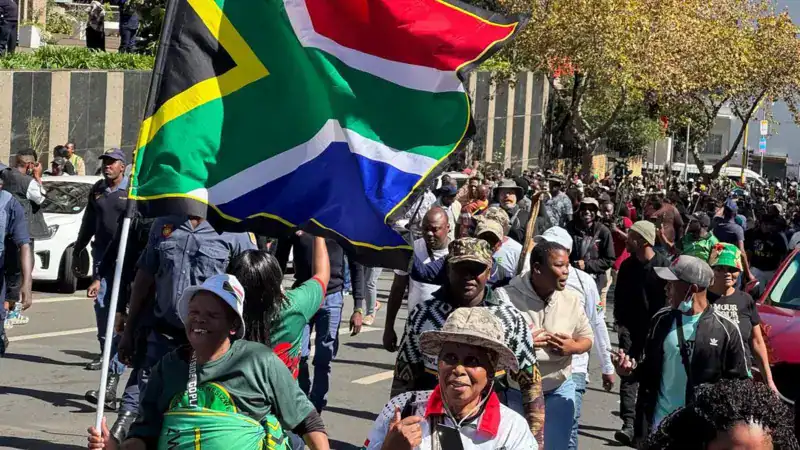
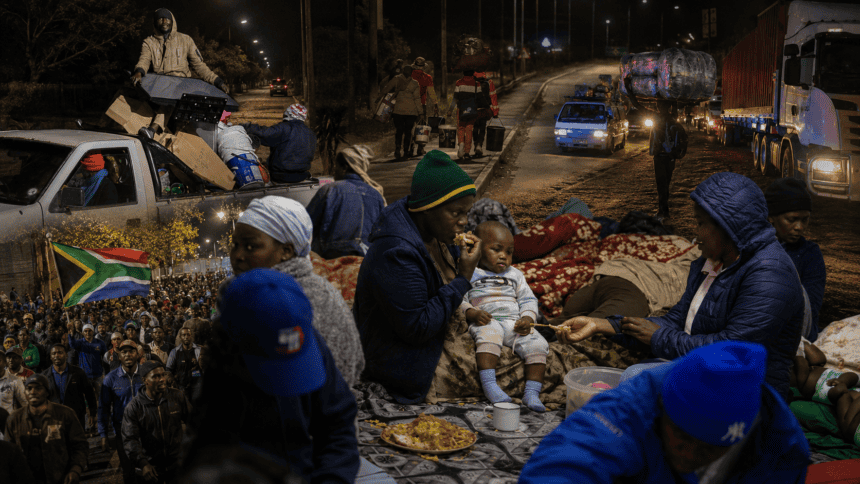
AFP reported that hundreds of foreigners fearing for their lives had taken shelter on South Africa’s south coast after saying mobs of locals went door-to-door telling them to leave the country. Many of those affected are nationals of Malawi and Mozambique.
The report, carried by IOL and other international outlets, placed Gansbaai, Kleinmond and Stanford at the centre of the latest displacement. It also added a sharper and more disturbing detail to earlier reporting: displaced foreign nationals say South African anti-migrant mobs were not only marching, but searching homes and forcing people out.
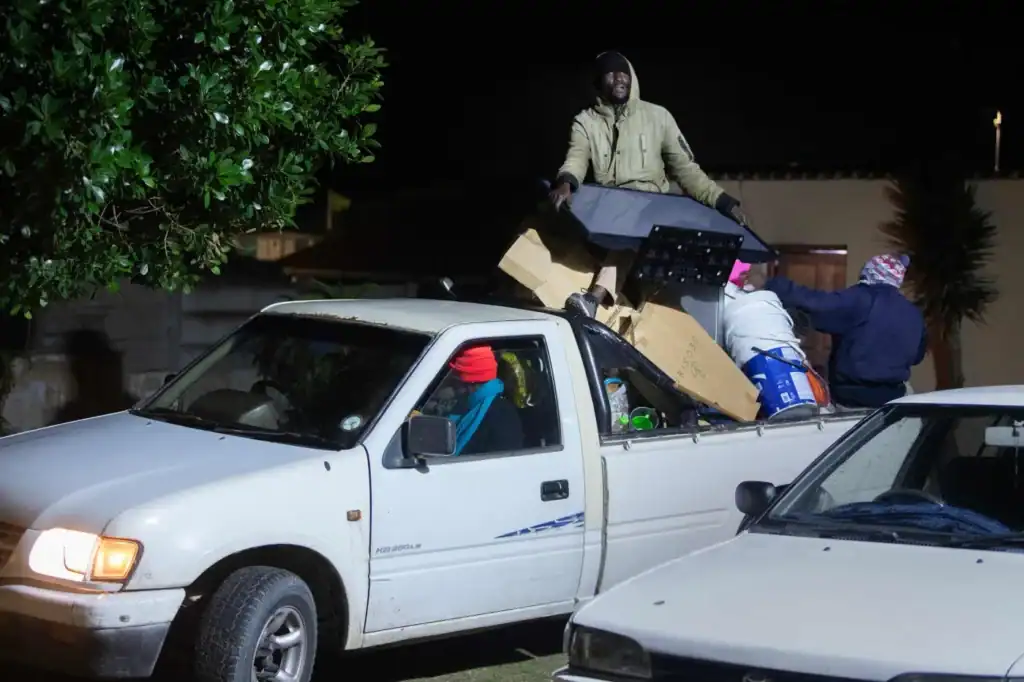
In Gansbaai, Mozambican national Thomas Vincent Baloyi told AFP he had documents and had lived in South Africa for nearly 16 years. But he said those confronting him did not want to listen. His message was simple and painful: “I’m a human being.”
Local councillor Msa Nomatiti told AFP that people were being dragged out of houses regardless of legal status. He said the groups involved did not want foreign nationals in the township. According to the report, more than 500 people had fled their homes in Gansbaai by Monday.
By late Tuesday, AFP reported that small groups were still walking out of informal settlements in the dark and rain, carrying belongings towards places of safety. That is displacement. That is not normal protest. That is a breakdown of safety at street level.
In Kleinmond, foreign nationals also fled after reports of door-to-door intimidation. News24, carrying GroundUp’s reporting, said hundreds of people had fled homes in Kleinmond and Gansbaai as anti-immigration protests spread in the Western Cape. The report said people affected by the protests were mostly from Malawi and Mozambique, and that some had hidden in mountains or on beaches overnight.
GroundUp reported that around 500 people gathered in Kleinmond and marched from the taxi rank to the Overhills informal settlement, calling on immigrants to leave. More than 50 people were later sheltering in the Kleinmond community hall, with disaster management officials assisting them.
Ward councillor Grant Cohen said people had left their houses in fear. He said the community hall was being made available as a safe place. A Malawian man told GroundUp that the intimidation had started on Saturday and that people began going door-to-door. His account was blunt: people feared being beaten or worse.
SAPS spokesperson Captain FC Van Wyk said two people were arrested for expired documentation in Kleinmond. He also said no damage or violence had been recorded during the march itself. That police position is important, but it does not erase the fear described by displaced people, nor does it answer whether foreign nationals were protected before they fled.
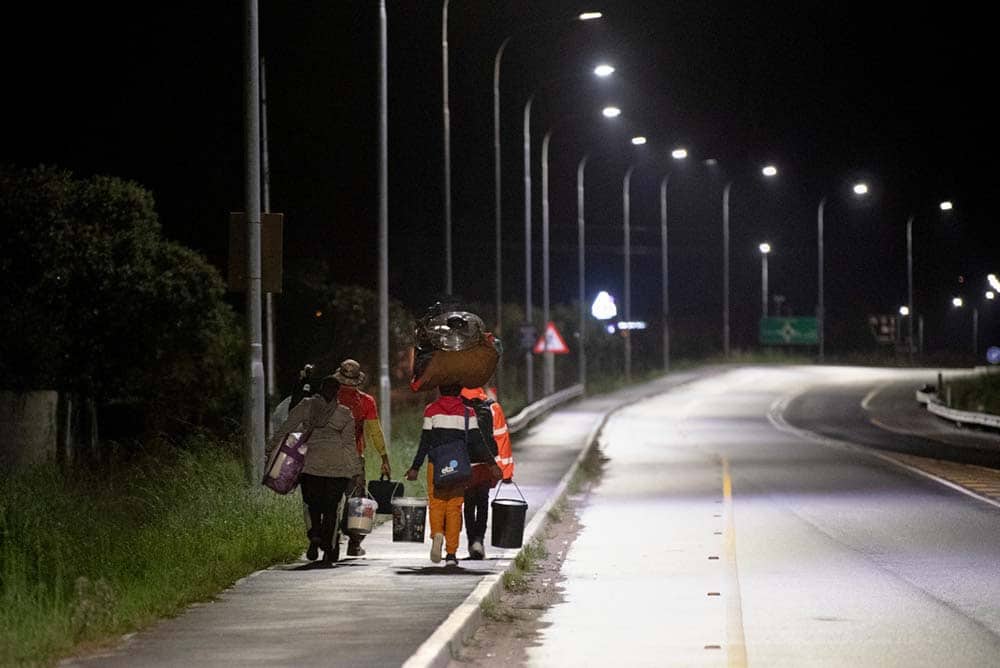
In Gansbaai, GroundUp reported that more than 200 foreign nationals, including women and children, took refuge at the Gansbaai Tourism and Conference Centre after an anti-immigrant march. Police spokesperson Sergeant Wesley Twigg said about 1,500 people from Masakhane informal settlement marched and handed a memorandum to the Overberg District Commissioner. He said three people were arrested under the Immigration Act and three others for possession of dangerous weapons.
Twigg said no serious crime or property damage was reported during the march. But again, the official policing line must be weighed against what displaced people and local leaders are saying: people were afraid enough to leave homes, sleep outside and seek shelter.
Nomatiti told GroundUp that protesters wanted both documented and undocumented foreign nationals to leave. He said people were raiding the community and kicking doors early in the morning. He also said he had called disaster management for assistance.
Overstrand municipal manager Dr Dean O’Neill said donations for affected people could be dropped at municipal fire stations in Kleinmond, Pringle Bay, Hermanus and Gansbaai. That confirms a local humanitarian response is under way. But donations do not answer the bigger safety question: can displaced people return home without being targeted again?
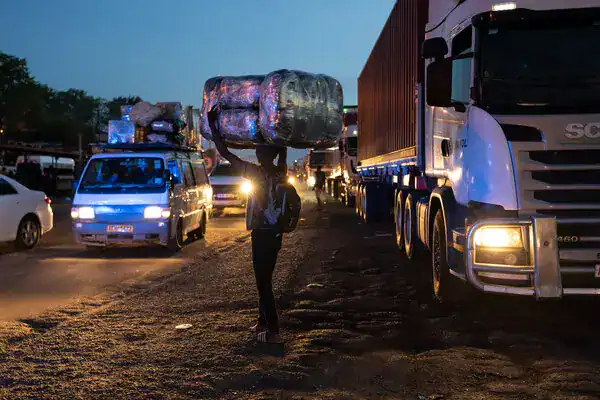
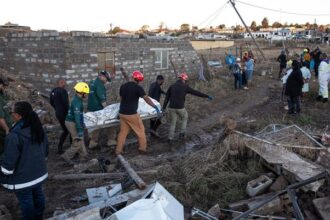
The crisis in the Overberg follows deadly violence in Mossel Bay. Reuters reported that Mozambique said five of its citizens died in anti-immigrant violence there. SAPS confirmed that two Mozambican men were found dead with assault injuries. Police also reported that about 55 shacks were set alight in Asla Park, while deployments remained on high alert.
Mozambique’s government said five nationals died as a direct result of xenophobic attacks. Reuters reported that Mozambique also said 300 citizens had returned home by their own means, with another 500 due for repatriation. The Mozambican position is stronger than the public SAPS position, which confirms two Mozambican deaths but has not publicly confirmed the same five-death figure in the same terms.
That distinction matters. Cape Town News is not stating that SAPS confirmed five Mozambican deaths. The verified position is that Mozambique says five citizens died as a direct consequence of xenophobic attacks, while South African police have confirmed two Mozambican men were found dead with assault injuries.
President Cyril Ramaphosa also condemned the violence. Reuters quoted him saying South Africans must never give in to violence, xenophobia or vigilantism. He also said government was dealing with illegal immigration. That places national government directly in the frame: immigration enforcement must be lawful, visible and credible, or communities will continue being exploited by vigilante groups.
The Western Cape Government has now issued its strongest public statement on the crisis. Premier Alan Winde and the provincial Cabinet condemned violence, intimidation and lawlessness against foreign nationals. The matter was discussed at an extended Cabinet meeting, where senior SAPS Western Cape leaders briefed the provincial government.
The provincial government said the situation appeared to have stabilised, but Winde appealed to SAPS leadership to improve intelligence gathering to prevent further unrest. The province also said mediators had been deployed to defuse tensions, and that all available provincial resources had been offered to SAPS and other authorities.
Winde’s key statement was clear: “No individual or group has the right to take the law into their own hands.”
He also warned that xenophobic violence threatens economic stability and the safety of all people in the province. That is not just moral language. It is an admission that this crisis can damage more than the immediate communities involved.
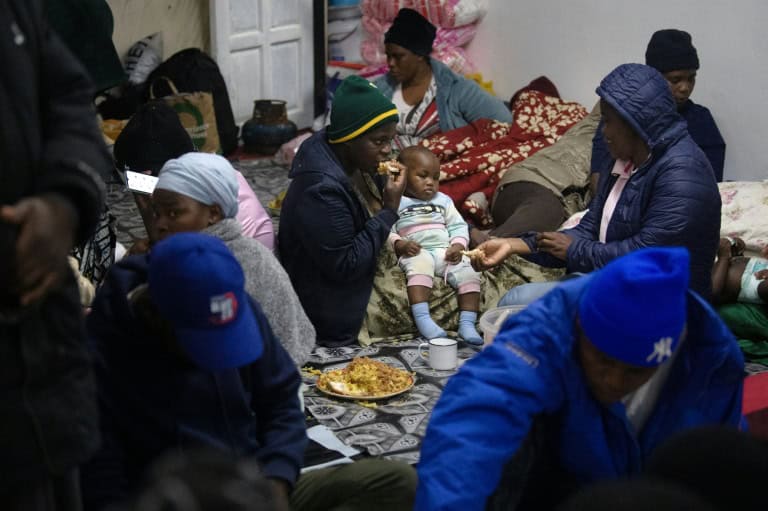
The Mossel Bay Municipality has said the situation there remains stable. According to the Mossel Bay Advertiser, about 150 people displaced during the unrest remained in Mossel Bay, with the majority having left earlier in the week. Those who remain are being accommodated at a municipal community facility, while consulates arrange relocation.
That is the official picture: government condemnation, SAPS briefings, mediators, disaster management support, shelters, consular involvement and calls for stronger immigration control.
But the accountability question remains.
Are authorities stopping South African anti-migrant mobs before they reach people’s doors, or only sheltering people after they have already run?
That question now sits at the centre of the story.
Foreign nationals say they were told to leave. Some say they had documents. Local leaders say people were being pulled from houses or forced out regardless of legal status. GroundUp reported women and children hiding in dunes and people sleeping on mountains or beaches. AFP reported people leaving informal settlements with belongings at night. Reuters reported deaths, shack fires and repatriations. The Western Cape Government says the rule of law must prevail.
So what does that mean in practice tonight, tomorrow and next week?
It should mean visible policing in affected areas. It should mean arrests where intimidation, assault, arson, looting or public violence can be proven. It should mean safe return plans for displaced families. It should mean protection of documents and belongings. It should mean clear communication with foreign nationals, local leaders, consulates, Home Affairs and disaster management. It should mean lawful immigration enforcement by the state, not street-level punishment by mobs.
The cause of the unrest is being framed by anti-migrant organisers around unemployment, crime, undocumented migration and pressure on services. These are real public concerns, especially in communities already under economic strain. But those concerns do not justify forced removals, threats, looting, shack fires or mobs deciding who may live in a township.
The state must enforce immigration law. The public cannot.
The far-reaching risk is now clear. International media are reporting the Western Cape as the scene of anti-migrant violence, deaths, displacement and door-to-door intimidation. Reuters, AFP, The Guardian and other outlets have carried the story. That matters for a province that sells itself as safe, orderly, open and welcoming to tourists, workers, investors and students.
Cape Town has often been marketed as one of the world’s friendliest and most attractive cities. The Western Cape has built much of its public image on tourism, hospitality, good governance and relative stability. Reports of South African anti-migrant mobs forcing people from homes in coastal towns damage that image.
The reputational question is uncomfortable, but necessary: what does the world see when foreign nationals flee Gansbaai, Kleinmond, Stanford and Mossel Bay in fear?
It sees a province under strain. It sees communities angry about immigration. It sees foreign nationals saying they are being targeted even when they claim to have documents. It sees neighbouring countries arranging repatriations. It sees government condemning violence, but still having to explain why people are in shelters.
And if the situation is not contained, the damage may spread.
It could spread through copycat intimidation in other towns. It could spread into diplomatic pressure from neighbouring countries. It could spread into repatriation operations. It could spread into trade and transport if cross-border anger hardens. The current online claims about South African trucks being blocked by Mozambique remain unverified, but they show the kind of regional consequence this violence can trigger.
Cape Town News will not publish the truck-blocking claim as fact without official confirmation. But the possibility itself shows why this story cannot be treated as a local flare-up. Once foreign governments begin reporting deaths, arranging returns and warning of worsening conditions, the crisis has already moved beyond one province.
The Western Cape Government says it condemns the violence. SAPS says police remain on high alert. Local municipalities are sheltering displaced people. Consulates are involved. Migrants say they are afraid. Local leaders say people have been forced from homes. Protest leaders say unemployment and migration are driving anger.
All these statements now point to one urgent test: can authorities regain control before more people are forced to run?
For now, hundreds have already fled.
Until foreign nationals can safely return home, until intimidation is stopped before it reaches another door, and until those responsible for violence and forced displacement face consequences, this crisis is not contained.
Q&A:
What is happening in the Overberg?
Foreign nationals in Gansbaai, Kleinmond and Stanford have fled homes after reports that South African anti-migrant mobs went door-to-door telling people to leave.
Who is being affected?
Reports identify mostly Malawian and Mozambican nationals among those displaced. Some have taken shelter in community halls, mosques and other places of safety.
What has the Western Cape Government said?
Premier Alan Winde and the Western Cape Government Cabinet condemned violence, intimidation and lawlessness against foreign nationals. Winde said no individual or group has the right to take the law into their own hands.
What has SAPS said?
SAPS has confirmed arrests in Kleinmond and Gansbaai linked to immigration documentation and dangerous weapons. Police have also confirmed two Mozambican men were found dead with assault injuries in Mossel Bay and said deployments remained on high alert.
What have migrants said?
Displaced migrants told AFP and GroundUp that people were going door-to-door, threatening foreign nationals and forcing them to leave. Some said they slept in mountains, bush or temporary shelters.
What is the main unanswered question?
The urgent question is whether authorities are protecting foreign nationals before mobs reach their doors, or only helping them after they have fled.
SAI Search Summary:
Hundreds of foreign nationals have fled parts of the Overberg after reports that South African anti-migrant mobs went door-to-door telling people to leave. Gansbaai, Kleinmond and Stanford are central to the displacement, while Mossel Bay is linked to deaths and shack fires. Mozambique says five of its citizens died as a direct consequence of xenophobic attacks, while SAPS has confirmed two Mozambican men were found dead with assault injuries. The Western Cape Government has condemned the violence and says it is working with SAPS, but questions remain over prevention, visible protection, arrests and whether displaced people can safely return home.
Source: IOL – AFP; Reuters; Western Cape Government – Office of the Premier; News24 – Matthew Hirsch / GroundUp; Mossel Bay Advertiser – Staff Reporter; EWN – Staff Reporter.