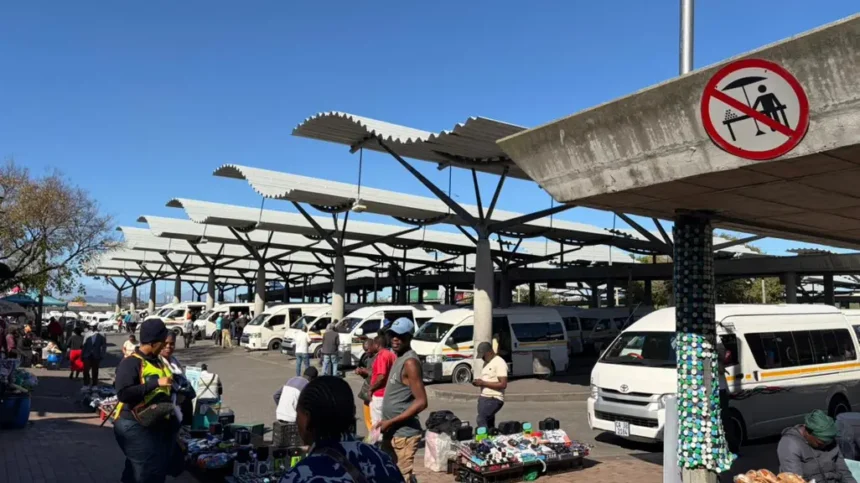
For thousands of working Cape Town commuters, Monday morning has started with an unwelcome surprise at taxi ranks across the metro, higher fares, tighter budgets, and difficult choices. From Nyanga to Bellville, Khayelitsha to the city centre, passengers climbing into minibus taxis are now paying more for the same journey, as the province’s two biggest taxi associations officially roll out fare increases that could reshape how many Capetonians travel to work, school, and home.
The fare increases, which officially came into effect on Monday, the eighteenth of May, were confirmed by the Cape Amalgamated Taxi Association and the Congress of Democratic Taxi Associations, the two largest taxi organisations operating across the Western Cape.
Depending on the route, commuters are now paying between two and five rand more per trip, a jump that may appear small on paper, but for households already battling rising food prices, electricity costs, and fuel-linked inflation, the impact could quickly add up over the course of a month.
For a commuter using taxis twice a day, five days a week, even a two-rand increase per trip could translate into hundreds of rand in additional transport costs over time.
Taxi operators insist the decision was unavoidable.
Earlier this month, South African motorists were hit by one of the sharpest fuel increases seen this year.
Petrol prices rose by three rand and twenty-seven cents per litre, while diesel climbed by five rand and twenty-seven cents per litre, placing immediate pressure on operators who already face vehicle finance repayments, maintenance costs, insurance, tyres, licensing, and rising parts prices.
Cape Amalgamated Taxi Association chairperson Solethi Sawulisi says many operators simply could not continue absorbing the increases.
Sawulisi said:
“This has left us with no alternative but to adjust our fares. We appreciate your understanding during this time.”
He added that some drivers have already struggled to meet loan repayments, with reports that vehicles have in some cases been repossessed.
The Congress of Democratic Taxi Associations says it attempted to avoid an immediate increase.
Spokesperson Makhosandile Tumana said:
“We tried to engage the provincial government to meet us halfway, but those negotiations failed, thus we took the decision to increase prices. We took this decision with heavy hearts but we have no choice.”
For commuters, the reaction has been mixed.
Some passengers say they expected increases after recent fuel hikes, while others now say they may begin exploring cheaper alternatives.
Commuter Mthobeli Mthi told GroundUp he may now return to rail.
He said:
“Taxis are expensive and trains are much cheaper. They are going to lose many customers as a result of this increase.”
As Monday’s fare hikes begin filtering through the province’s transport network, one thing is already clear, for thousands of Capetonians, the cost of getting to work has just become even harder to manage.
Source: Cape Etc / GroundUp – Sandiso Phaliso.