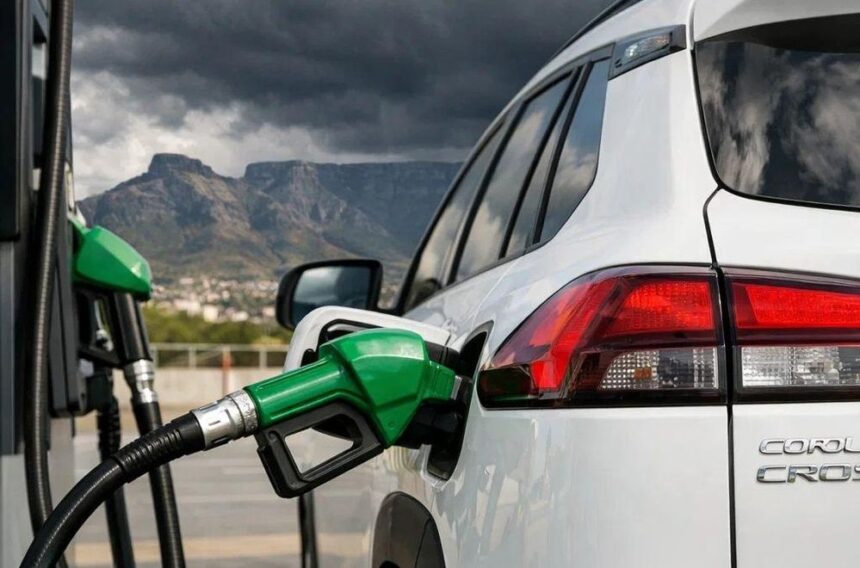
Every time South Africans pull up at a petrol station, hundreds of rand are now going somewhere other than the fuel tank, and for millions of motorists, that growing reality is starting to bite harder than ever.
South African motorists are facing fresh financial pressure after new figures revealed that government fuel levies are now adding more than three hundred rand to every standard fifty-litre fill-up, placing further strain on households already battling rising living costs.
While global oil markets, geopolitical tensions, and currency movements often dominate headlines around fuel pricing, analysts say a growing portion of what motorists pay at the pump is now being driven by local taxes, levies, and debt-related fiscal pressures.
According to Sebastien Alexanderson, chief executive of National Debt Advisors, South Africans are increasingly paying for far more than the fuel itself every time they stop at a service station.
“The war in the Middle East may make for an easy headline,” Alexanderson told BusinessTech, “but the deeper pressure is being felt much closer to home.”
He described the fuel burden as “debt collection through the pump”, warning that motorists are effectively helping fund a much wider fiscal system every time they refill.
Recent pricing data shows ninety-five unleaded petrol has climbed to more than twenty-six rand a litre inland, while diesel prices have pushed above thirty-one rand a litre in some parts of the country, the highest levels ever recorded.
At current levy rates, Alexanderson estimates that a standard fifty-litre tank could send more than three hundred and seventeen rand directly to government before the vehicle even moves.
National Treasury has extended temporary fuel levy relief into June, giving motorists short-term breathing room. However, that support is expected to taper off before July, raising concerns that pump prices could place even more pressure on consumers during the second half of the year.
Economists warn the impact will not stop at the petrol station.
Higher fuel costs are expected to continue flowing into public transport fares, logistics expenses, food distribution, retail pricing, and monthly debt repayments, creating a knock-on effect that could touch almost every South African household.
For Cape Town commuters already balancing fuel costs, toll-free transport alternatives, school runs, and rising grocery bills, the pump is fast becoming one of the clearest indicators of wider economic pressure.
With global uncertainty continuing and local fiscal demands showing little sign of easing, motorists may soon find that every journey carries a higher cost than ever before.
Source: Cape {town} Etc – Angelica Rhoda; BusinessTech – Sebastien Alexanderson.