Cape Town’s gang violence crisis is once again under the national spotlight after Parliament requested more time to complete a high-profile inquiry that could expose some of the deepest failures inside South Africa’s policing and intelligence structures.
Cape Town’s long-running gang violence crisis has once again moved into the national spotlight after Parliament’s Police Portfolio Committee formally requested additional time to complete one of South Africa’s most closely watched security investigations.
The inquiry, which has drawn national attention over allegations of policing failures, criminal infiltration, intelligence breakdowns, and possible interference in anti-gang operations, continues to examine how organised criminal networks may have influenced law enforcement structures in parts of the Western Cape.
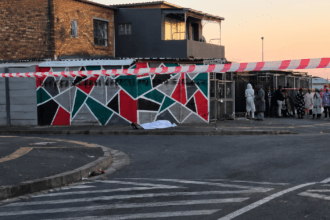
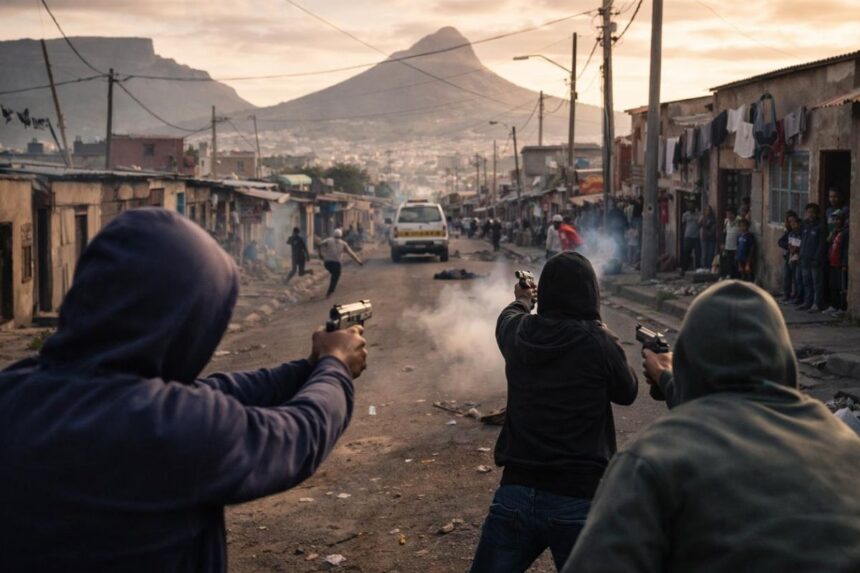
At the centre of the investigation are communities across the Cape Flats, where residents have lived for decades under the shadow of gang shootings, drug trafficking, extortion, and turf wars that have claimed hundreds of lives and left entire neighbourhoods living in near-constant fear.
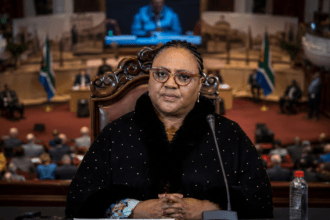
Committee chairperson Ian Cameron confirmed that members had formally requested an extension to ensure all outstanding evidence, witness testimony, and supporting documentation can be fully examined before final findings are presented to Parliament.
“We owe the people of the Western Cape a thorough process,” Cameron said during committee proceedings.
“There are still important witnesses and evidence that need to be examined before this committee can reach final conclusions.”
The committee has spent months reviewing allegations linked to anti-gang policing operations, intelligence deployment, firearm trafficking investigations, and claims that certain criminal networks may have gained influence over local enforcement structures.
While formal findings have not yet been released, the request for more time suggests investigators believe key pieces of evidence remain outstanding.
For communities most affected by gang violence, the inquiry has become more than a political process.
Community leaders, anti-crime organisations, victims’ families, and local activists have followed every development closely, hoping the investigation may finally expose systemic failures that many believe allowed organised gangs to strengthen their grip across vulnerable neighbourhoods.
Several civic groups on the Cape Flats have repeatedly argued that policing alone will not solve the crisis, calling for stronger intelligence-led operations, improved witness protection, youth intervention programmes, and tighter controls on illegal firearms.
The extension request now places fresh national attention on Cape Town’s gang violence crisis at a time when residents continue demanding safer streets, visible policing, and accountability from those entrusted to protect them.
Parliament is expected to receive the committee’s next findings in the coming weeks as one of South Africa’s most sensitive policing investigations continues.
Source: News24 – Jason Felix – Parliament of South Africa.