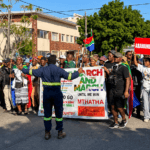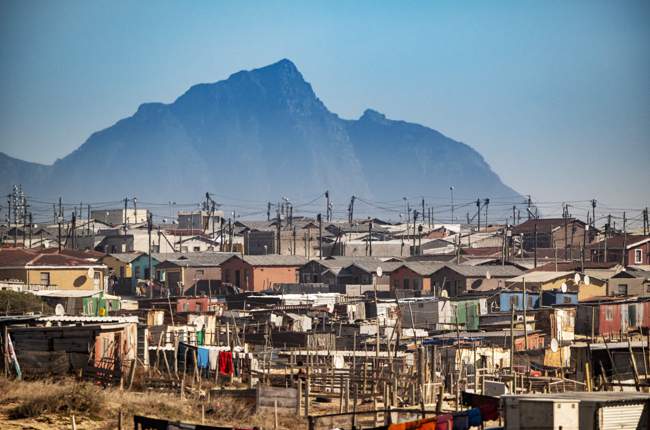
Behind Cape Town’s luxury developments, award-winning restaurants, and booming property market lies a very different reality, one where more than six hundred thousand households are still waiting for a place to call home.
Cape Town’s housing crisis has once again moved into sharp focus after new figures revealed that the city’s official housing waiting list has now climbed beyond six hundred and twelve thousand names, highlighting the growing gap between urban growth and affordable living.
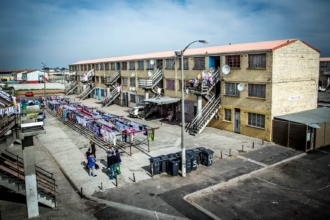
For many families across communities such as Langa, Delft, Lotus River, Khayelitsha, and parts of the Cape Flats, the housing crisis is not an abstract policy debate. It is a daily struggle shaped by overcrowded backyard rentals, shared taps, rising transport costs, and years of waiting for permanent accommodation.
Many households continue paying between eight hundred and twelve hundred rand a month for a single backyard room, often without private sanitation, proper insulation, or long-term security. For working families, domestic workers, nurses, teachers, and service staff, the journey between home and work continues to define daily life in a city where property prices are climbing faster than wages.
Housing analyst Taz Cassiem says Cape Town is no longer facing an ordinary housing shortage, but what he describes as a full urban emergency rooted in geography, economics, and long-standing planning choices.
One of the biggest opportunities now being closely watched is the potential release of two major public mega-sites, Wingfield and Youngsfield, both seen as once-in-a-generation opportunities to reshape the city’s spatial future.
Youngsfield, located within the southern suburbs, sits close to established schools, transport routes, and economic activity, while Wingfield, near Century City, offers access to major transport corridors, industrial zones, and employment centres.
Urban planners say if properly managed, both sites could support mixed-income developments that place working Capetonians closer to jobs, public transport, education, and healthcare.
The National Department of Public Works has already begun advancing discussions around these strategic land parcels, creating renewed optimism among housing advocates who have long called for better use of public land.
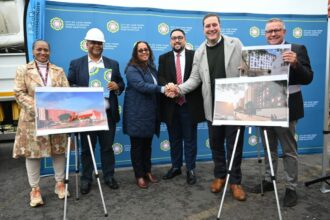
The City of Cape Town’s Mayoral Committee Member for Human Settlements, Councillor Carl Pophaim, has previously stated that unlocking well-located land remains critical to addressing the city’s housing backlog, adding that affordable housing must be delivered closer to transport routes, economic opportunities, and existing infrastructure if the city is to achieve meaningful spatial transformation.
Pophaim has also pointed to developments such as Conradie Park and Maitland Mews as proof that public and private partnerships can help build more inclusive communities across Cape Town.
Cassiem warns that without protected budgets, enforceable delivery targets, and long-term planning beyond next year’s local government elections, Cape Town risks losing another rare opportunity to reshape its urban future.
With population growth continuing, migration into the metro increasing, and affordability under pressure across the residential market, the housing challenge is becoming one of the defining urban issues of this decade.
Whether Wingfield and Youngsfield become symbols of transformation or another missed opportunity may now depend on decisions already being made behind closed doors.
Source: IOL – Taz Cassiem.