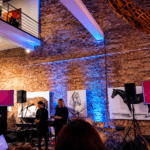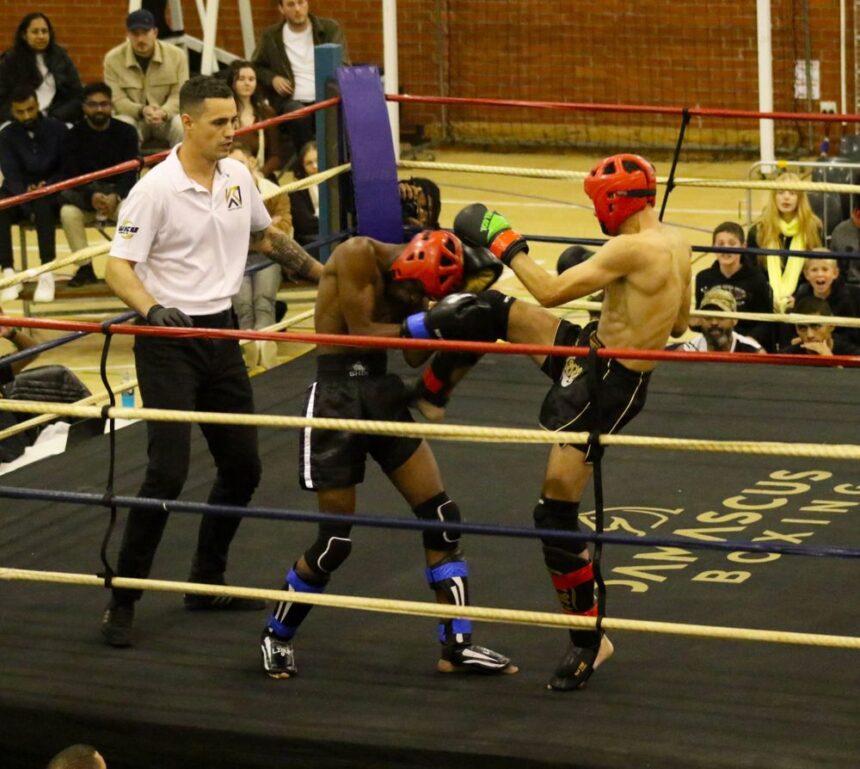
Inside a packed sports hall in Cape Town’s northern suburbs, the sound of gloves striking pads, coaches shouting instructions, and supporters roaring from the sidelines offered a clear reminder that one of the city’s fastest-growing sporting scenes is quietly building something special.
Cape Town’s growing kickboxing community was once again in the spotlight over the weekend as World Kickboxing Series Africa returned to the Sunningdale Sports Complex for its second major promotion, delivering a night of high-paced K one action that showcased both local talent and the growing international reach of combat sport in the Western Cape.
What began as a local initiative aimed at giving amateur fighters greater exposure is now rapidly evolving into one of the region’s most promising development platforms, attracting competitors from across South Africa and beyond.
This latest edition featured fighters from the Western Cape, other provinces, and even Mauritius, creating a more competitive card and giving Cape Town audiences a glimpse of how quickly the sport is expanding beyond local gym rivalries.
One of the night’s biggest talking points centred around Jiyaad Diedricks, one of Cape Town’s rising combat sport talents, who entered the evening looking to avenge a previous defeat against Thando Mahlangu in a pro-am WKU bantamweight title rematch.
The bout delivered exactly what supporters hoped for, technical exchanges, aggressive combinations, and visible growth in Diedricks’ overall game compared with their first meeting.
But after the final bell, Mahlangu once again got the nod from the judges, denying the local fighter redemption in what proved to be one of the evening’s most competitive contests.
Despite that disappointment for the home crowd, the event produced no shortage of standout performances.
Kuhle Miso continued building his growing reputation with another composed performance, while Ali Nyerere also impressed with a strong display that caught the attention of both coaches and promoters ringside.
One of the night’s biggest winners was Charnlee Moyo, who produced a calm and calculated performance to claim the lightweight Grand Prix title, further strengthening his status as one of the promotion’s emerging names to watch.
But for WKS Africa president Wade Hammond, the event represents something far bigger than a single night of fights.
Hammond says one of his primary goals is to build a stronger amateur and pro-am development structure for Cape Town fighters before they make the jump into the professional ranks.
He believes too many promising fighters rush into professional competition before developing the technical, physical, and mental foundation needed to compete consistently at a higher level.
By creating promotional belts, structured pathways, and bigger event exposure, Hammond says Cape Town fighters can develop properly while building both confidence and brand recognition.
Judging by the larger crowd, stronger card, and growing fighter interest, Cape Town’s combat sport scene may be entering its most exciting chapter yet.
Source: Tabletalk – Buntu Gotywa.