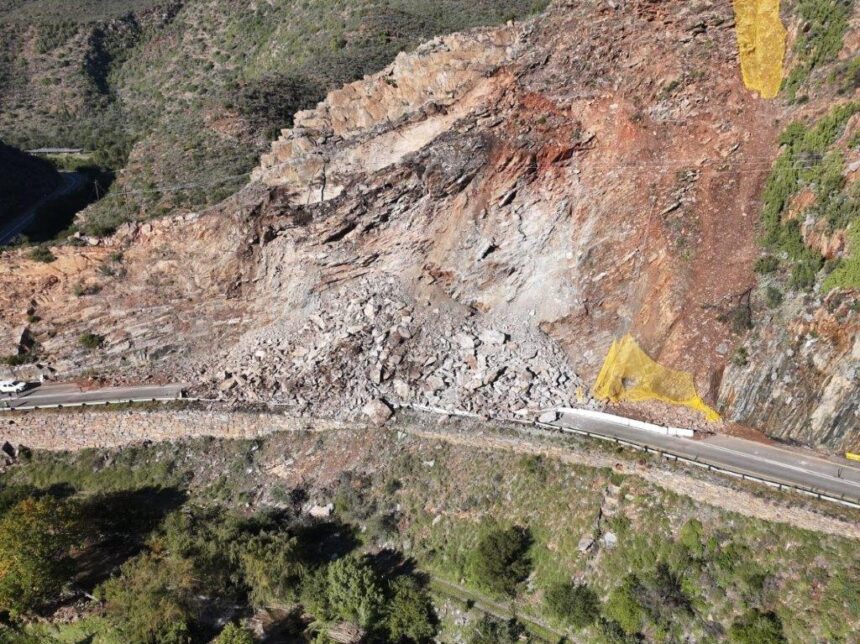
The Western Cape’s recovery from last week’s severe weather has moved into a new phase after the provincial Cabinet welcomed the classification of a provincial disaster, a step that could help unlock additional funding for emergency response, humanitarian relief, infrastructure repairs and longer-term resilience planning.
The Western Cape Government says the classification of a provincial disaster after last week’s severe weather is an important step in the province’s recovery process, with Cabinet now focused on emergency support, damaged infrastructure and the restoration of essential services.
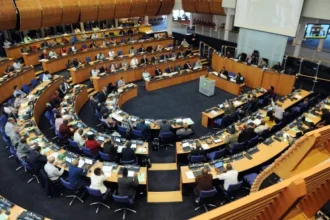
Premier Alan Winde chaired a Western Cape Government Cabinet meeting on Wednesday, where the impact of the severe weather between the 10th and 14th of May was placed at the centre of discussions. The meeting was also attended by Minister of Cooperative Governance and Traditional Affairs Velenkosini Hlabisa, who engaged with Cabinet on the ongoing disaster response and recovery process.
According to the Western Cape Government, Cabinet welcomed the classification of a provincial disaster following the severe weather that affected large parts of the province. The classification forms part of a process led by the National Disaster Management Centre toward the formal declaration of a disaster. That formal step is important because it is linked to access to additional funding for emergency response and recovery plans.
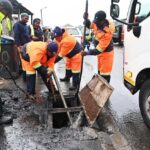
The classification does not mean that recovery is complete. Instead, it signals that the province has moved from the immediate emergency phase into a broader recovery and support phase. This includes humanitarian relief for affected communities, repairs to critical infrastructure, and the restoration of essential services where storm damage disrupted normal life.
Premier Winde said the Western Cape needs urgent support to make sure funding reaches affected communities as quickly as possible. He also used the Cabinet meeting to raise a wider issue: the province cannot only respond after disasters happen, but must plan and budget more aggressively for extreme weather events before they cause major damage.
“These kinds of disasters are becoming more frequent and more destructive,” Winde said. He called for a new approach from national government that prioritises proactive budgeting and futureproofing of public infrastructure. His comments point to a growing concern for provincial and local authorities: roads, electricity systems, drainage, housing, public buildings and community facilities need to be strengthened before the next severe weather system arrives.
The Western Cape Government said the current response has now shifted toward ongoing humanitarian relief, repairs to critical infrastructure and the restoration of essential services. Eskom representatives informed Cabinet that electricity supply had already been restored to 72% of the areas affected by the severe weather. Restoration teams were still working to reconnect remaining communities safely and as quickly as possible.
The involvement of Eskom is significant because storm-related electricity disruption can affect households, businesses, clinics, schools, traffic systems and communication networks. Restoring power is often one of the first steps in stabilising affected areas after severe weather, especially where communities depend on electricity for lighting, heating, refrigeration, communication and small business activity.
Minister Hlabisa commended the Western Cape Government for its leadership and proactive response, and assured Cabinet that his department would continue to support the province where possible. The provincial government also thanked disaster management teams, municipalities, emergency personnel, humanitarian organisations, volunteers, businesses and Capetonians who helped affected communities during the crisis.
For residents and businesses, the main issue now is what happens next. The disaster classification places the Western Cape further along the process toward formal disaster support, but the practical impact will depend on how quickly recovery funding is made available, which projects are prioritised, and how support reaches communities still dealing with damage.
The development also has wider planning implications. The Western Cape has faced repeated pressure from severe weather, flooding, infrastructure strain and electricity interruptions in recent years. As climate-related risks become more frequent, disaster planning is no longer only an emergency response issue. It is becoming a core part of provincial budgeting, municipal planning, infrastructure management and public safety.
For local businesses, the classification matters because disaster recovery affects transport routes, staff mobility, supply chains, insurance claims, service delivery and confidence in public infrastructure. For communities, it affects how quickly homes, roads, power systems and public services return to normal.
For property owners, landlords, insurers and small businesses, Cape Town News has a separate explainer on what Western Cape disaster status could mean for storm damage claims, infrastructure repairs and business continuity planning.
The province has not yet confirmed the full final cost of the damage in this latest update. However, Cabinet’s focus shows that the recovery process is now moving through official channels, with the National Disaster Management Centre process becoming central to what support the Western Cape may receive next.
Helpful Contacts And Resources
| Need | Contact / Resource |
| Western Cape Government general information | westerncape.gov.za |
| Disaster risk and emergency information | Contact your local municipality or district disaster management centre |
| City of Cape Town emergencies | 107 from a landline, or 021 480 7700 from a cellphone |
| Life-threatening emergency | 112 from a cellphone |
| Eskom power faults | Eskom customer service channels or the EskomSePush / official Eskom fault reporting routes |
| Weather alerts | South African Weather Service at weathersa.co.za |
Source: Western Cape Government – Department of the Premier.