Cape Town health authorities are urging residents to remain calm after two poliovirus strains were detected in wastewater at a city treatment plant, saying the finding was made through routine environmental surveillance and that no human cases of polio have been confirmed.
Cape Town’s public health monitoring system has picked up two poliovirus strains in wastewater sampled from a treatment plant in the city, prompting health authorities to strengthen surveillance while stressing that the finding does not mean there is a polio outbreak.
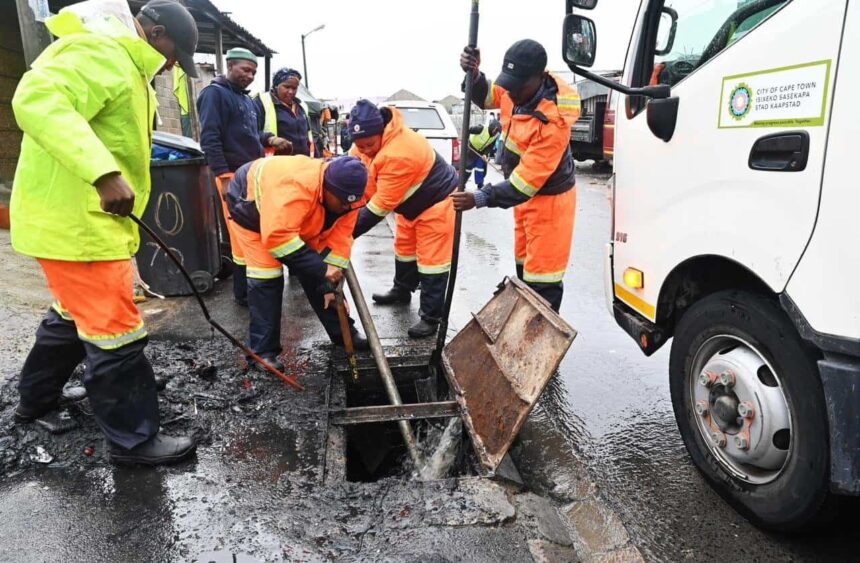
The National Department of Health announced on Friday that the detections were made through routine environmental surveillance conducted by the National Institute for Communicable Diseases. Wastewater monitoring is used as an early warning tool because it can detect traces of viruses in communities before any person becomes visibly ill or before a clinical case is confirmed.
According to health authorities, the two strains detected were vaccine-derived poliovirus Type 3 and novel oral poliovirus vaccine Type 2-like. Officials described the findings as “vaccine events”, meaning the virus was detected in the environment but no actual case of polio has been identified in a human being.
That distinction is important. Wastewater detection does not automatically mean people are sick, nor does it confirm active community transmission. Instead, it gives health authorities a signal that requires follow-up investigation, additional sampling and closer public health monitoring.
Western Cape Department of Health and Wellness spokesperson Dwayne Evans confirmed that provincial authorities were aware of the detections and were working with national health officials and the National Institute for Communicable Diseases.
“At this stage, the specific wastewater treatment plant and the communities it serves have not been publicly confirmed, while the public health investigation and response processes are under way,” Evans said.
Evans also confirmed that no human case of polio had been detected. He said the wastewater result is being treated as an early warning signal, which is exactly what environmental surveillance is designed to provide.
The current response includes strengthened disease surveillance, increased environmental sampling, further laboratory testing and follow-up investigations where clinically indicated. Health officials are also checking localised vaccination coverage figures to identify whether any communities may need additional routine immunisation support.
The National Department of Health has indicated that the risk remains low and that no additional vaccination campaign is required at this stage. The department said the detections are likely linked to individuals vaccinated in countries that use different polio vaccines from those administered in South Africa. However, Western Cape health officials have stressed that it is too early to confirm the source of the detections and that further investigation is still under way.
South Africa was certified polio-free by the World Health Organization’s African Regional Certification Commission in September 2019. That status makes routine surveillance important because it helps detect possible risks early and allows health authorities to act before a confirmed case appears.
For parents and caregivers in Cape Town, the main practical message is straightforward: do not panic, but check vaccination records. Children should be up to date with their routine immunisations, and anyone unsure of a child’s vaccination status should check the Road to Health Booklet or visit the nearest clinic for advice.
Health officials are also advising families to seek medical attention if a child develops sudden weakness in the arms or legs, especially if the weakness is accompanied by fever or a recent illness. This does not mean every fever or muscle complaint is linked to polio, but sudden limb weakness is a warning sign that should be assessed by a health professional.
The detection also highlights the role of wastewater surveillance in modern public health. Cities around the world increasingly use wastewater systems to track viruses and emerging health risks because this method can provide earlier warning than waiting for confirmed clinical cases. In Cape Town, that means health teams can increase monitoring, test further samples and guide public communication before a situation becomes more serious.
For now, the confirmed position from health authorities is that there are no human polio cases, no confirmed outbreak and no reason for public panic. The response is focused on monitoring, investigation and routine vaccination protection.
Quick Public Health Guide
| Question | What residents should know |
| Was polio found in a person? | No human case has been confirmed. |
| Was the virus found in wastewater? | Yes, two poliovirus strains were detected through routine surveillance. |
| Is there an outbreak? | Health authorities say the finding does not indicate an outbreak. |
| Should parents panic? | No, but they should check children’s vaccination records. |
| Where can parents check? | Road to Health Booklet or nearest public clinic. |
| What symptoms need urgent care? | Sudden weakness in arms or legs, especially with fever or recent illness. |
Helpful Contacts And Resources
| Need | Contact / Resource |
| Check child vaccination status | Visit your nearest public clinic with the Road to Health Booklet |
| Western Cape health services | westerncape.gov.za/health |
| City of Cape Town health information | capetown.gov.za |
| Medical emergency | 112 from a cellphone |
| City emergency number | 107 from a landline, or 021 480 7700 from a cellphone |
| National Institute for Communicable Diseases | nicd.ac.za |
| General health advice | Contact your nearest clinic or healthcare provider |
Source: IOL – IOL – Lilita Gcwabe.