Cape Town’s worsening housing crisis may soon force one of the city’s biggest land-use debates back into the spotlight. With affordable housing becoming increasingly out of reach for many Capetonians, growing pressure is now being placed on government to release large sections of underused military land that could potentially unlock tens of thousands of future homes across the metro.
Long-standing calls to release strategically located military land for housing development in Cape Town are once again gaining momentum as housing pressure across the metro continues intensifying.
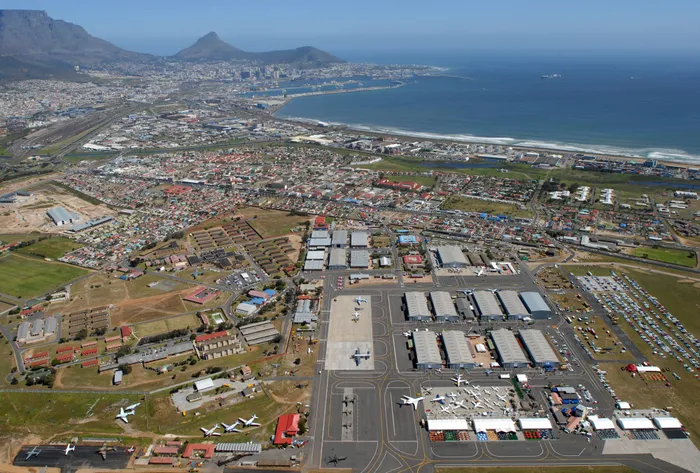
Areas including Wingfield, Youngsfield and Ysterplaat have re-emerged at the centre of discussions around how public land should be used in a rapidly expanding city struggling with affordability, transport congestion and increasing demand for housing closer to economic opportunities.
According to recent reports, portions of military-owned land could potentially accommodate as many as 67,000 homes if large-scale development plans move forward in future.
That figure alone highlights the scale of the debate now unfolding around state-owned land in Cape Town.
Housing activists and urban planners have argued for years that well-positioned public land should be prioritised for affordable housing instead of remaining underutilised while thousands of Capetonians continue waiting for opportunities to live closer to jobs, schools and transport corridors.
The issue has become increasingly urgent as property prices continue climbing across many parts of Cape Town, forcing younger residents and lower-income families further away from economic centres.
Longer commuting distances have also placed additional pressure on public transport systems, road infrastructure and household transport costs, especially for working-class communities travelling into the city daily.
Supporters of releasing military land argue that mixed-use developments could help reshape urban planning patterns in Cape Town by creating more integrated communities closer to employment hubs.
Urban designer and researcher Tauriq Jenkins said the city could no longer afford to leave major parcels of public land underused while housing demand continued rising.
His comments reflect growing frustration among housing advocates who believe large-scale public land release could help ease pressure on informal settlements and reduce some of the inequality still embedded in Cape Town’s spatial layout decades after apartheid-era planning policies.
The debate also extends beyond housing alone.
Supporters argue that future developments could include transport infrastructure, business districts, schools, public facilities and community spaces, creating entirely new urban nodes within the metro.
However, major questions still remain unanswered.
Environmental approvals, infrastructure upgrades, transport integration and funding models are all expected to play a major role in determining whether any future developments become reality.
The timeline for possible land release also remains uncertain, with no final agreements yet confirmed.
Military land has long been viewed as politically and strategically sensitive, meaning any major redevelopment process would likely involve multiple layers of government, planning authorities and public consultation.
Still, the renewed focus on sites such as Wingfield, Youngsfield and Ysterplaat reflects growing recognition that Cape Town’s housing crisis can no longer be treated as a future problem.
For many Capetonians, especially younger residents trying to enter the property market or families waiting years for affordable housing opportunities, the conversation is becoming increasingly personal.
The city’s future growth now depends not only on building more homes, but on deciding where those homes should be built and who will ultimately benefit from the land available.
Source: GroundUp – Staff Reporter.