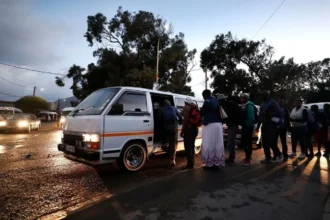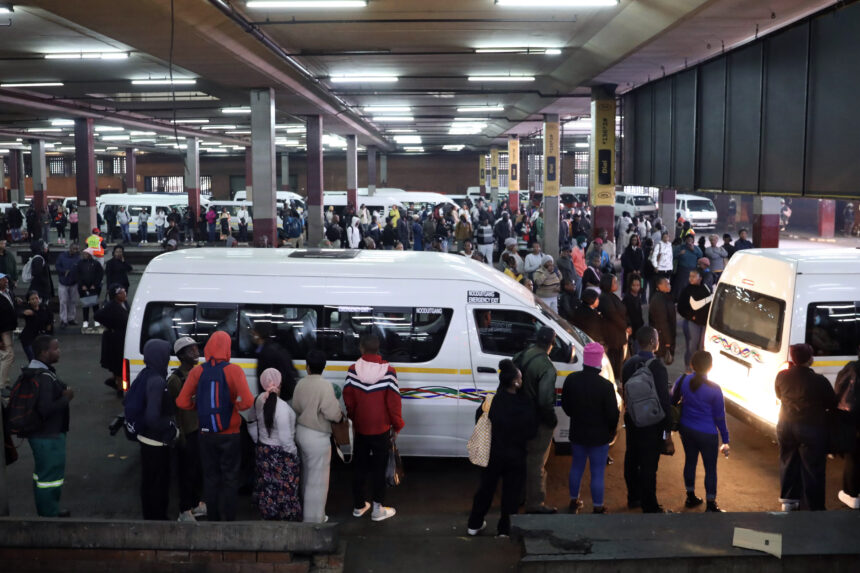
For thousands of Cape Town workers already struggling with rising food, electricity and fuel costs, the latest taxi fare increases are becoming more than just another expense, they are forcing difficult daily decisions about how to survive financially
Cape Town commuters are coming under increasing financial strain as rising taxi fares continue adding pressure to household budgets already stretched by fuel price hikes and broader living cost increases.
For many working-class residents across the metro, public transport remains one of the largest unavoidable monthly expenses, particularly for commuters travelling long distances between residential communities and economic hubs within the city.
The latest fare increases implemented across several taxi routes have now triggered growing frustration among commuters who say transport costs are beginning to compete directly with food, electricity and other essential household expenses.
Some commuters report spending close to R100 per day simply travelling to and from work, creating additional pressure for households already struggling with inflation and stagnant wages.
The impact is now also beginning to influence how many Capetonians choose to travel.
Several commuters interviewed following the fare increases said they are increasingly considering alternatives including Metrorail services, private lift arrangements or personal vehicles despite concerns surrounding reliability, overcrowding and traffic congestion.
Tiny Gwala, who commutes between Khayelitsha and Cape Town’s central business district, says she would rather sacrifice comfort and use the train because of the significantly lower travel cost.
Others say the rising cost of taxis is gradually making private vehicle ownership appear more financially competitive despite increasing fuel prices.
Commuter Sihle Ngcobo says the latest increases may eventually force him to rely more heavily on his own vehicle as taxi costs continue climbing.
Transport affordability has become an increasingly sensitive issue across South Africa’s major cities as public transport systems continue facing pressure from fuel costs, maintenance expenses and operational challenges.
While taxi associations argue that rising fuel and operational costs leave operators with little choice but to increase fares, many commuters say wages are simply not increasing at the same pace as daily living expenses.
The growing pressure on transport affordability is also reviving broader discussions around the future reliability and accessibility of public transport systems in Cape Town, particularly as more residents begin weighing cost against convenience and safety.
For many commuters, the concern is no longer just about transport, but about whether getting to work itself is slowly becoming financially unsustainable.
Source: IOL – Nokubonga Ndlovu